
If you're a homeowner, a small business owner, or a household water specialist navigating the world of water filtration, you've probably stumbled on the term "nanofiltration (NF)" and wondered how to sort through the dozens of household NF products on the market. As a long-time supplier of household NF solutions, I've sat in on hundreds of conversations where customers - even those with some industry experience - struggle to tell one NF membrane apart from another. It's not just about picking the cheapest option; it's about matching the product to your specific water quality goals, space, and long-term needs. Let's break down how to compare household NF products like you're right here in my warehouse, picking up sample cartridges and flipping through spec sheets.
First, start with the basics: what household NF even is, because not all "NF" products are created equal. You'll see this term tossed around alongside reverse osmosis (RO) and ultrafiltration, but NF fills a unique pore size for households. Unlike RO, which reject nearly all dissolved minerals (that's why RO water often tastes flat), NF retains beneficial minerals like calcium and magnesium while blocking contaminants like heavy metals (lead, copper), pesticides, industrial chemicals (pharmaceuticals, VOCs), and disinfection byproducts (THMs). For families who want safe, great-tasting water without the mineral loss, this is non-negotiable. If you're digging into options, a good starting point is to explore what makes household NF different from industrial or commercial versions - check out our Household NF page to see how our products are sized and tested for home use, not factory settings.
Next, the most critical metric: membrane performance. This is where most comparisons go wrong, because brands often lead with flow rate or price instead of the two things that matter most for your water: contaminant rejection and water recovery. Let's unpack those. Contaminant rejection is a measure of how well the membrane blocks unwanted stuff. For residential use, you'll want a membrane that consistently rejects 90% or more of heavy metals like lead and cadmium, and 80%+ of common pesticides and VOCs. But rejection rates can vary a lot between brands. For example, our Residential NF Membrane is tested to reject 95% of lead and 92% of atrazine, a common herbicide, because it's engineered with a tighter pore structure tailored to household water sources (well, municipal, or private wells). Skip brands that don't publish third-party test data - that's a red flag, because they might be inflating rejection rates on spec sheets.
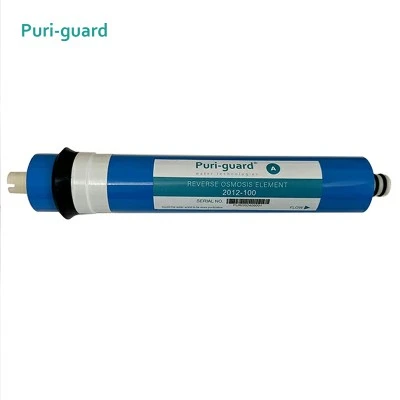
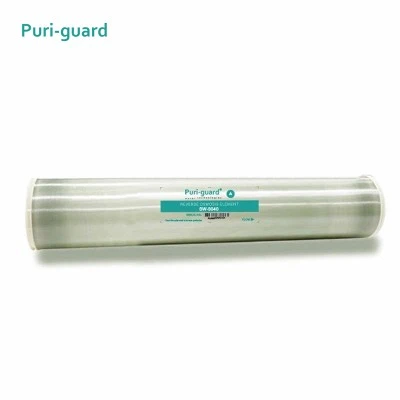
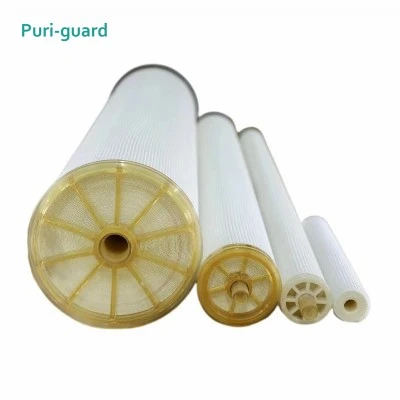
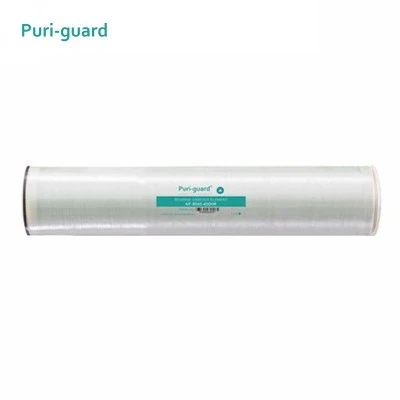
Water recovery is another make-or-break point, especially if you're on a private well or live in an area with high water costs. Water recovery is the percentage of raw water that becomes filtered product water, instead of being sent to drain as waste. Low-quality household NF membranes might have a recovery rate of 30% or lower, meaning you're wasting 70 gallons of water for every 30 you use. Our residential membranes hit around 50-55% recovery, which is standard for quality household models, but it's worth checking because that waste adds up over a year - I've had customers tell me they cut their water bills by $150+ just by switching to a higher-recovery NF membrane. You might also see references to membrane sizes, like the NF 8040 - that's a larger, heavy-duty membrane often used in small businesses, but for households, 1812 or 2012 sizes are more common because they fit under-sink systems. Don't let the size label confuse you: smaller is not worse for home use, it's just built for your limited space.
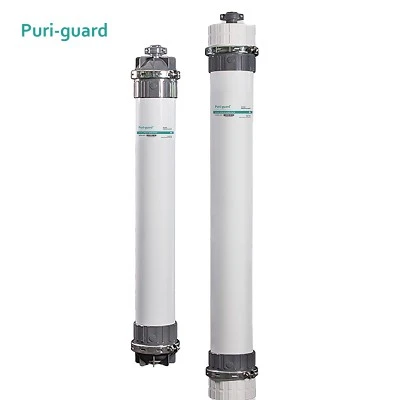
Third, consider practical design factors that impact long-term use, not just lab performance. A great membrane is useless if it's a pain to maintain or doesn't fit your existing system. Let's talk about compatibility first. Many household water systems are built for standard 10-inch or 20-inch filter cartridges, so make sure the NF product you're choosing fits your housing. Some brands sell proprietary membranes that only work with their own housings, which means you're locked into paying premium prices for replacement cartridges. Our Water Nanofiltration line of residential membranes is compatible with most standard under-sink filtration systems, so you can swap out cartridges without hiring a technician every time.
Maintenance is another big one. Look for membranes that are chlorine-resistant. Chlorine is a common disinfectant in municipal water supplies, and it will break down the polymer structure of low-quality membranes over time, leading to poor performance and shorter lifespans. Our residential NF membranes have a protective coating that blocks up to 1,000 ppm of chlorine, so they last 2-3 years instead of 6-12 months - that's a huge saving over time. Also, check if the membrane requires pre-filters. Some households with very hard water or high sediment need a pre-filter to extend the NF membrane's life, which adds small recurring costs, but it's worth it vs. replacing the membrane every year. I always tell customers: if a brand says their membrane needs no pre-filters, ask to see a test of how it holds up to sediment over 6 months - chances are, it will clog fast and need early replacement.
Then there's the question of NF vs. NF-RO hybrid systems, which is a common point of confusion. A lot of brands market "NF RO Membrane" products, but that's not the same as a dedicated household NF system. An NF RO membrane is a hybrid that combines the tighter pores of RO with the slightly looser structure of NF, designed to remove some contaminants but retain more minerals than a standard RO. It's a good middle ground, but if your main goal is to remove heavy metals and pesticides while keeping minerals, a standalone household NF membrane will outperform an NF RO hybrid. If you're wondering how these stack up, our NF RO Membrane page explains the tradeoffs for commercial and small residential use, but for most home users, a dedicated NF membrane is the better, more cost-effective choice.
If your water has high levels of lead or arsenic, you'll want a membrane with higher rejection rates (95%+ for lead). If you have hard water, look for a membrane that also softens slightly, or pair it with a pre-water softener. Our team always asks customers for a quick water test summary before recommending a product, because that's the only way to avoid buying a membrane that doesn't address your unique needs.


If having NSF certificate will be more reputable , if not check by results also workable .Also, check user reviews, but look for reviews that are specific, not just "this works great." Look for comments about long-term performance: did the membrane last 2 years? Did it waste a lot of water? Did it clog often? Finally, total cost of ownership, not just upfront price but for total unit price includes pretreatment and lifecycles. It's easy to fixate on the initial cost, but the long-term savings and consistent performance make the higher-quality product worth it.
At the end of the day, comparing household NF products comes down to performance (rejection rates, recovery), practicality (compatibility, maintenance), alignment with your water quality, and total cost, not just brand name or flashy marketing. If you're still not sure which product fits your home, feel free to reach out to our team to discuss your specific needs.
References:
- Water Quality Association. (2022). Nanofiltration Membranes: Applications and Performance Standards.
- NSF International. (2021). Standard 58: Drinking Water Treatment Units – Health Effects.
- EPA. (2020). Nanofiltration for Household Water Treatment: A Guide for Consumers.
- American Water Works Association. (2023). Residential Membrane Technology: Selection and Maintenance Best Practices.