

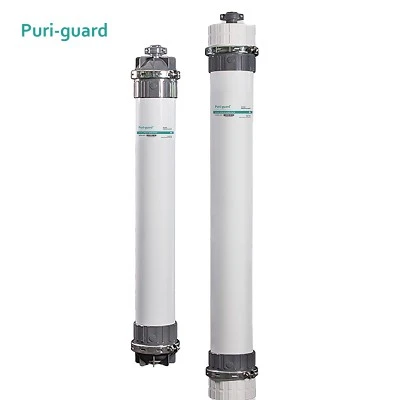
If you've ever stood in the water treatment aisle of a rural general store next to a cramped urban grocery store, I bet you've noticed a tiny, easy-to-miss difference: the types of filters people are grabbing off the shelves. For years, my team and I have supplied household nanofiltration (NF) systems all over the world-setting up installs assitance in urban apartment buildings , and in rural homesteads where the well is the only water source for miles. This experience has led us to a question we get at every trade show and customer call: Is there a real difference in household NF needs between urban and rural areas? The short answer is yes-rooted in raw water quality, daily usage patterns, and even long-term maintenance expectations-and the right Water Nanofiltration system isn't one-size-fits-all for either space.
Let's start with the core of the issue: what's actually in the water being treated. Urban households almost universally rely on municipal water supplies, which undergo basic pre-treatment-chlorination, sediment filtration, and testing for regulated contaminants like lead, nitrates, and coliform-before it hits tap. But municipal systems have to balance a lot: they need to distribute water reliably across hundreds of miles of aging pipes, which means they often add higher levels of chlorine to kill bacteria along the line, and may use corrosion inhibitors that leach trace metals like copper or iron from old pipework. Meanwhile, rural households typically rely on private wells or small community water systems with far less oversight.
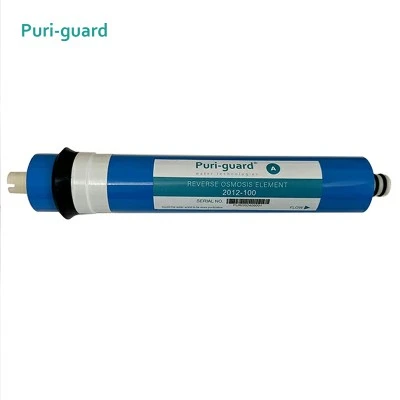
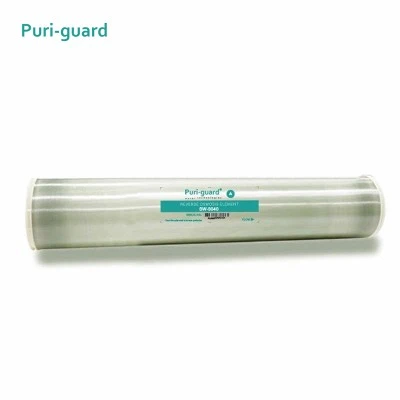
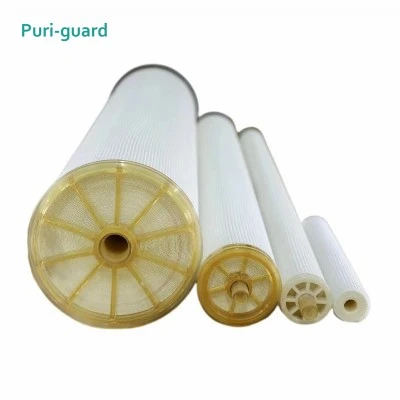
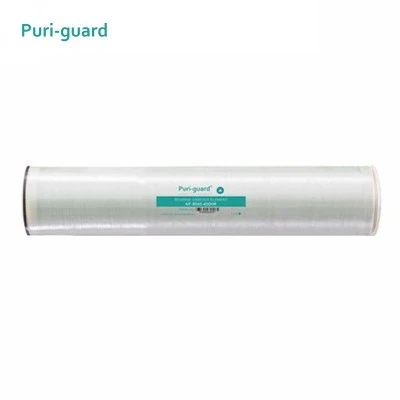
This water quality gap directly shapes the NF membrane choices we recommend. Urban water sources are usually low in natural hardness, so most urban households need a membrane that's effective at removing organic contaminants and chlorine byproducts without wasting too much water. A NF RO Membrane hybrid system has become our go-to for urban spaces: nanofiltration works better than reverse osmosis for removing CBPs and pesticides, while the RO backup catches any heavy metals that slip through pre-treatment. For small urban apartments or under-sink installs, we often suggest our NF 40 Membrane: its compact 4-inch diameter fits in tight cabinet spaces, and it uses less energy than larger industrial models, which is perfect for apartments where plumbing and electricity access is limited. Rural households, on the other hand, face harder water (high in calcium and magnesium) and sometimes higher levels of nitrates or arsenic from agricultural runoff or geological deposits. Here, we've seen better results with standalone NF systems, like our NF 8040 model, which has a larger filtration surface area to handle higher sediment and mineral loads.


But water quality isn't the only factor-usage patterns and space constraints differ wildly between urban and rural homes. Urban households are usually smaller, with more people coming and going, and often have limited under-sink or counter space. A family of three in a 1,000-square-foot apartment doesn't have room for a 20-gallon storage tank next to their water heater, so they need a NF system that connects directly to the tap without taking up extra space. Our urban-focused systems are designed with high-flow membranes that deliver 15 gallons per hour, enough for a small household to fill a kettle or a coffee maker without waiting. Rural homes, by contrast, are often larger, with whole-house water needs instead of just drinking and cooking taps. A 3,000-square-foot farmhouse with four people, a garden hose that runs for hours, and a livestock water trough needs a NF system that can handle high continuous flow. The NF 8040, with its 40-square-foot membrane surface, is built for that: it can deliver up to 50 gallons per hour, enough to cover all household and even light agricultural water needs. Another big difference is maintenance frequency. Urban water has lower sediment and mineral content, so our urban NF membrane customers only need to replace filters every 12 to 18 months. Rural customers, though, have to replace their filters every 6 to 12 months-sometimes even sooner during rainy seasons when runoff carries more sediment and nitrates into wells. That's a key point for suppliers: we can't use a one-size-fits-all maintenance schedule, and we have to educate rural customers on how to test their well water seasonally to adjust filter replacement times.
I've spent a lot of time talking to both urban and rural customers, and the biggest misconception I hear is that all NF systems are the same,which should consider of the flow request and pretreatment and rasonable arrangement .
There are overlaps between urban and rural water needs:
city homes with private wells face rural water issues, while rural homes on municipal supply may prioritize energy efficiency.
We suggest you provide the water testing or requests to recommend suitable membrane type, size and service schedule:
✅ Urban users: compact design, chlorine byproduct removal
✅ Rural users: treatment for hardness, nitrates & sediment, high whole-house flow
Choose your residential NF system according to your water source and usage, not just price.
NF 40: small urban spaces
NF 8040: large rural households
All NF membranes use charged membranes to filter contaminants. But water source and usage matter a lot. We reject one-size-fits-all solutions and provide custom NF solutions for your home.