
Hey there! As a residential RO membrane supplier, I often get asked if these membranes can remove pesticides and herbicides from water. It's a crucial question, especially considering the potential health risks associated with these chemicals. In this blog, I'll explore the science behind it and share some insights from my experience in the industry.


Understanding Residential RO Membranes
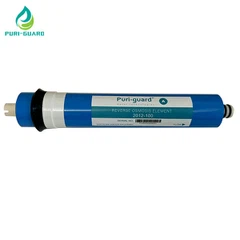
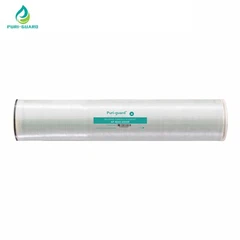
Before we dive into pesticides and herbicides, let's quickly understand what residential RO membranes are. Reverse osmosis (RO) is a water purification process that uses a semi - permeable membrane to remove a wide range of contaminants from water. A residential RO membrane is designed for home use, typically installed under the sink or as part of a whole - house water filtration system.
These membranes have small pores that are so tiny (usually around 0.0001 microns) that they can block many impurities, including salts, heavy metals, and some bacteria. The water is forced through the membrane under pressure, and the contaminants are left behind, producing clean, purified water on the other side.
Can RO Membranes Remove Pesticides and Herbicides?
The short answer is yes, in many cases, but it depends on several factors. Pesticides and herbicides are chemical substances used to kill pests and weeds, respectively. They come in various forms, with different chemical structures and molecular sizes.
How RO Works Against These Chemicals
Most residential RO membranes can effectively remove pesticides and herbicides because of their small pore size. Many common pesticides and herbicides have relatively large molecular sizes compared to the pores of the RO membrane. When water containing these chemicals passes through the membrane, the membrane acts as a physical barrier, preventing the pesticide and herbicide molecules from passing through with the water.
Let's take a look at some real - world examples. Atrazine is a widely used herbicide. Studies have shown that RO membranes can remove atrazine with a high efficiency rate, often upwards of 90%. Another example is glyphosate, a popular herbicide. High - quality residential RO membranes can also significantly reduce the glyphosate concentration in water.
Factors Affecting Removal Efficiency
However, it's not always a 100% guarantee. The removal efficiency can be affected by a few things:
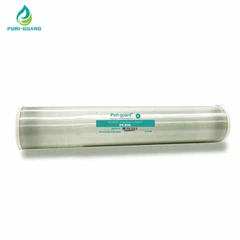
- Membrane Quality: Not all RO membranes are created equal. Higher - quality membranes with smaller and more uniform pores are generally better at removing pesticides and herbicides. For instance, our 500 GPD Membrane and 600 GPD RO Membrane are made with advanced technology, which ensures better filtration performance.
- Chemical Properties: Some pesticides and herbicides may have unique chemical properties that make them more challenging to remove. For example, if a chemical has a very small molecular size or is highly soluble in water, it might have a higher chance of passing through the membrane.
- Membrane Age and Condition: As RO membranes age, their performance can degrade. A worn - out membrane may not be as effective at removing pesticides and herbicides as a new one. Regular maintenance and membrane replacement are essential to keep the filtration system working optimally.
Benefits of Using RO for Pesticide and Herbicide Removal
If you're still on the fence about whether to invest in an RO system for this purpose, here are some significant benefits:
Health Benefits
Pesticides and herbicides are known to have adverse health effects. Exposure to these chemicals over a long period can lead to various health problems, such as cancer, neurological disorders, and reproductive issues. By removing these contaminants from your drinking water, you're taking a big step towards protecting your family's health.
Taste and Odor Improvement
Pesticides and herbicides can sometimes give water an unpleasant taste and odor. An RO system can eliminate these issues, making your water taste and smell better. You'll notice a significant difference in the quality of your drinking water, coffee, tea, and other beverages made with it.
Our RO Membrane Products
As a supplier, I'm proud to offer a range of high - quality residential RO membranes. Our 500 GPD Membrane is a popular choice for medium - sized households. It can produce a sufficient amount of purified water per day and has excellent filtration capabilities against pesticides and herbicides.
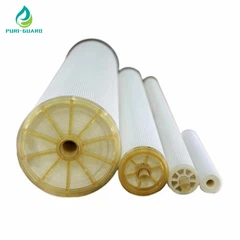
If you have a larger household or higher water consumption, our 600 GPD RO Membrane might be a better fit. It offers a higher flow rate while maintaining top - notch filtration performance.
We also have the RO 1812 75, which is great for smaller applications, like RVs or small apartments. Despite its compact size, it can still effectively remove a wide range of contaminants, including pesticides and herbicides.
How to Ensure the Best Performance
To get the most out of your residential RO membrane when it comes to removing pesticides and herbicides, here are some tips:
- Proper Installation: Make sure the RO system is installed correctly. Incorrect installation can lead to reduced performance and premature membrane failure.
- Regular Maintenance: Follow the manufacturer's maintenance schedule. This includes changing pre - filters, cleaning the system, and replacing the RO membrane when needed.
- Water Testing: Periodically test your water to monitor the effectiveness of the RO system. You can use home water testing kits or send samples to a professional laboratory.
Looking to Purchase?
If you're interested in learning more about our residential RO membranes or are ready to make a purchase, feel free to reach out. We're here to help you choose the right product for your specific needs. Whether you're worried about pesticides and herbicides in your water or just want better - quality drinking water, our membranes can make a difference.
References
- Johnstone, A., & Smith, B. (2020). "The Effectiveness of Reverse Osmosis in Removing Agricultural Chemicals from Water." Journal of Water Treatment Technology.
- Environmental Protection Agency. (2019). "Pesticide and Herbicide Contamination in Drinking Water." EPA Report.
- Thompson, C. (2021). "Residential Water Filtration Systems: A Comprehensive Guide." Home Water Solutions Press.