

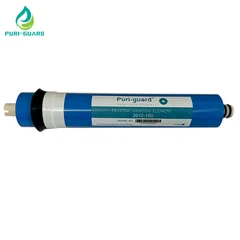
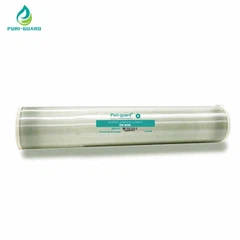
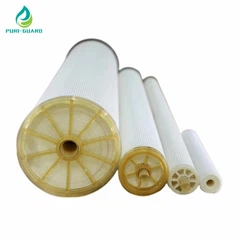
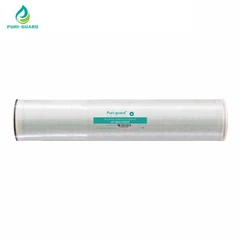
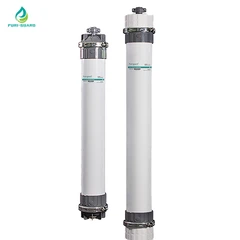
In the realm of water purification, Reverse Osmosis (RO) membranes stand as the cornerstone technology, offering a reliable solution for removing contaminants and impurities from water. As a leading supplier of High Flow RO Membranes, I am often asked about the differences between high flow RO membranes and regular RO membranes. In this blog post, I will delve into the intricacies of these two types of membranes, highlighting their unique features, advantages, and applications.
Understanding RO Membranes
Before we explore the differences between high flow and regular RO membranes, let's first understand the basic principles of RO technology. Reverse osmosis is a water purification process that uses a semi - permeable membrane to remove ions, molecules, and larger particles from water. When pressure is applied to the feed water on one side of the membrane, water molecules are forced through the membrane, while contaminants are left behind.
RO membranes are typically made of thin - film composite (TFC) materials, which offer high rejection rates for a wide range of contaminants, including salts, heavy metals, bacteria, and viruses. The performance of an RO membrane is measured by two key parameters: water flow rate and rejection rate.
Regular RO Membranes
Regular RO membranes have been the industry standard for many years. They are designed to provide a balance between water flow rate and rejection rate, making them suitable for a variety of applications, from residential water purification systems to small - scale commercial and industrial water treatment plants.
- Flow Rate: Regular RO membranes typically have a lower flow rate compared to high flow membranes. The flow rate is usually measured in gallons per day (GPD). For example, a common residential 300 GPD RO Membrane can produce up to 300 gallons of purified water per day under standard operating conditions. This flow rate is sufficient for most household needs, such as drinking, cooking, and bathing.
- Rejection Rate: Regular RO membranes offer high rejection rates for contaminants. They can typically reject over 95% of dissolved salts, heavy metals, and other impurities, ensuring that the purified water meets strict quality standards.
- Applications: Regular RO membranes are widely used in residential water purification systems, small - scale commercial applications such as coffee shops and restaurants, and some industrial processes where the water demand is relatively low.
High Flow RO Membranes
High flow RO membranes are a more recent innovation in the water purification industry. They are designed to address the increasing demand for larger volumes of purified water in commercial and industrial applications.
- Flow Rate: As the name suggests, high flow RO membranes have a significantly higher flow rate compared to regular membranes. For instance, a 600 GPD RO Membrane can produce up to 600 gallons of purified water per day, which is twice the flow rate of a 300 GPD regular membrane. This high flow rate allows for faster water production, reducing the time required to fill storage tanks and meet the water demand of large - scale operations.
- Rejection Rate: Despite their high flow rate, high flow RO membranes still maintain a high rejection rate for contaminants. They are engineered with advanced membrane materials and manufacturing processes to ensure that they can effectively remove impurities while allowing a large volume of water to pass through.
- Applications: High flow RO membranes are ideal for commercial and industrial applications where a large volume of purified water is required. This includes large - scale water treatment plants, power generation facilities, food and beverage processing plants, and pharmaceutical manufacturing.
Key Differences
- Flow Capacity: The most obvious difference between high flow and regular RO membranes is their flow capacity. High flow membranes can produce a much larger volume of purified water in a given time, making them more suitable for high - demand applications.
- Membrane Design: High flow RO membranes often have a different membrane design compared to regular membranes. They may have a larger surface area or a more optimized membrane structure to allow for higher water permeability without sacrificing rejection performance.
- Cost: Generally, high flow RO membranes are more expensive than regular membranes. This is due to the advanced materials and manufacturing processes used to achieve their high flow rate. However, the higher cost may be offset by the increased productivity and reduced operating costs in large - scale applications.
- System Requirements: High flow RO membranes require a more powerful pump and a larger pre - treatment system compared to regular membranes. This is because they need a higher pressure to achieve the high flow rate, and the larger volume of water requires more effective pre - treatment to prevent membrane fouling.
Advantages of High Flow RO Membranes
- Increased Productivity: The high flow rate of high flow RO membranes allows for faster water production, which can significantly increase the productivity of a water treatment system. This is especially important in industries where time is of the essence, such as food and beverage processing.
- Reduced Footprint: Since high flow membranes can produce a large volume of water with fewer membranes, they can reduce the physical footprint of a water treatment system. This is beneficial for facilities with limited space.
- Energy Efficiency: Although high flow membranes require a higher pressure to operate, they can be more energy - efficient in large - scale applications. This is because they can produce more water per unit of energy compared to multiple regular membranes.
Considerations When Choosing
When choosing between a high flow and a regular RO membrane, several factors should be considered:
- Water Demand: If your water demand is relatively low, such as in a residential setting, a regular RO membrane may be sufficient. However, if you have a high - demand application, a high flow membrane is the better choice.
- Budget: Consider your budget when making a decision. While high flow membranes may have a higher upfront cost, they can offer long - term savings in terms of productivity and energy efficiency.
- System Compatibility: Ensure that your existing water treatment system is compatible with the type of membrane you choose. High flow membranes may require modifications to your system, such as a more powerful pump and a larger pre - treatment unit.
Our Offerings
As a supplier of High Flow RO Membranes, we offer a wide range of products to meet the diverse needs of our customers. Our B RO Membrane is a prime example of our high - quality high flow membranes. It is designed with the latest technology to provide a high flow rate and excellent rejection performance, making it suitable for a variety of commercial and industrial applications.


Contact for Procurement
If you are interested in learning more about our high flow RO membranes or would like to discuss your specific water treatment needs, we invite you to contact us. Our team of experts is ready to assist you in choosing the right membrane for your application and providing you with the best solution.
References
- "Reverse Osmosis Membrane Technology" by Menachem Elimelech and William A. Phillip
- "Water Treatment Unit Processes: Physical and Chemical" by David W. Hendricks and George Tchobanoglous