
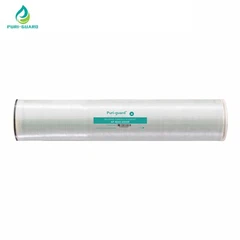
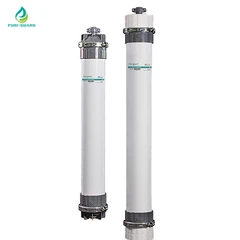
Hey there! I'm a supplier of HSRO Membane, and today I wanna chat about how to ensure the safety of HSRO Membane in food processing. It's a super important topic, especially when it comes to keeping our food safe and healthy.
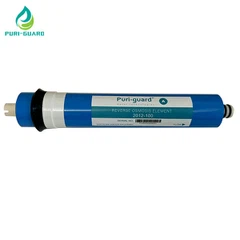
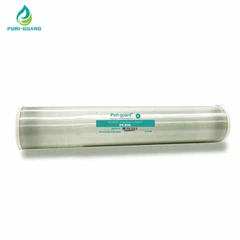
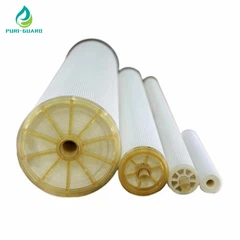
First off, let's understand what HSRO Membane is. You can check out more details HSRO Membane. HSRO Membane is a high - performance membrane that's widely used in food processing. It helps in separating different components in food, like removing impurities, concentrating flavors, and more. But to make sure it does its job safely, we need to take a few key steps.
1. Quality Sourcing
The very first step in ensuring the safety of HSRO Membane in food processing is to source it from a reliable place. As a supplier, I know how crucial it is to have strict quality control measures. We need to make sure that the raw materials used to make the membrane are of high quality and meet all the food - grade standards. For example, the polymers and additives used should be non - toxic and approved for use in food contact applications.
When we're sourcing, we also need to look at the manufacturing process. The production facility should have proper hygiene and sanitation practices. This includes regular cleaning and disinfection of the equipment, as well as proper air filtration to prevent contamination. A clean manufacturing environment is essential to produce a safe HSRO Membane.
2. Installation and Commissioning
Once you've got your hands on a quality HSRO Membane, the next step is to install it correctly. Incorrect installation can lead to all sorts of problems, like leaks and poor performance. Before installation, make sure to read the manufacturer's instructions carefully.
For instance, if you're using HSRO 8040 or HSRO 4040, each model might have specific installation requirements. You need to ensure that the membrane is properly seated in the housing, and all the connections are tight and secure.
After installation, it's important to commission the system properly. This involves flushing the membrane with clean water to remove any loose particles or debris that might have been present during the manufacturing or installation process. You should also test the system to make sure it's working as expected before using it in food processing.
3. Operation and Maintenance
During normal operation, there are several things you can do to keep the HSRO Membane safe. First of all, monitor the operating conditions closely. This includes parameters like pressure, temperature, and flow rate. If these parameters go out of the recommended range, it can cause damage to the membrane and potentially contaminate the food.
For example, if the pressure is too high, it can cause the membrane to rupture, allowing unwanted substances to pass through. On the other hand, if the temperature is too high, it can degrade the membrane material over time. So, make sure to set up proper monitoring systems and alarms to alert you if anything goes wrong.
Regular maintenance is also key. This includes cleaning the membrane at regular intervals. Depending on the type of food processing and the level of contamination, the cleaning frequency might vary. You can use approved cleaning agents that are safe for food contact. These agents should be able to remove any fouling or scaling on the membrane surface without damaging it.
4. Training and Education
Another important aspect is to make sure that the people operating the HSRO Membane system are well - trained. They should understand how the membrane works, what the safety procedures are, and how to handle any potential issues.
Training should cover topics like installation, operation, maintenance, and troubleshooting. For example, if there's a sudden drop in the system's performance, the operators should know how to diagnose the problem and take appropriate action.
Education also extends to understanding the regulatory requirements. There are various food safety regulations that govern the use of membranes in food processing. Operators need to be aware of these regulations and ensure that the HSRO Membane system is compliant.
5. Monitoring and Testing
Continuous monitoring and testing are essential to ensure the safety of HSRO Membane in food processing. You can use various techniques to monitor the performance of the membrane. For example, you can measure the rejection rate of the membrane, which indicates how well it's separating different components. A decrease in the rejection rate might indicate that the membrane is damaged or fouled.
You can also test the quality of the processed food. This can involve analyzing the food for any contaminants that might have passed through the membrane. Regular testing can help you catch any problems early and take corrective action.
6. Storage and Handling
Proper storage and handling of the HSRO Membane are also important. When the membrane is not in use, it should be stored in a cool, dry place. Exposure to extreme temperatures, humidity, or sunlight can damage the membrane.


During handling, make sure to use clean gloves and tools to avoid introducing any contaminants. If the membrane is damaged during handling, it should not be used in food processing as it can pose a safety risk.
In conclusion, ensuring the safety of HSRO Membane in food processing is a multi - step process. It starts from quality sourcing and goes all the way to proper storage and handling. By following these steps, we can make sure that the HSRO Membane performs its function effectively and safely in food processing.
If you're in the food processing industry and are looking for a reliable HSRO Membane supplier, I'd love to have a chat with you. We can discuss your specific needs and how our high - quality membranes can meet them. Don't hesitate to reach out for more information and let's start a great partnership!
References
- Food and Drug Administration (FDA) guidelines on food contact materials.
- Industry standards for membrane manufacturing and use in food processing.