
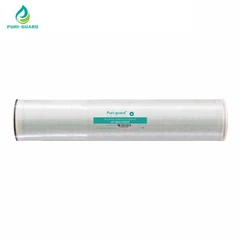
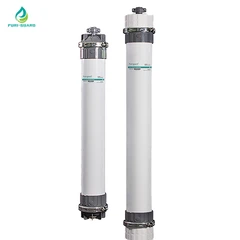
As a supplier of Nanofiltration Membrane Flat Sheet, I often get asked about how to ensure the safety of using these membranes in food applications. It's a crucial question because when it comes to food, safety is non - negotiable. In this blog, I'll share some key points on how to make sure that the use of our Nanofiltration Membrane Flat Sheet in food processes is as safe as possible.
1. Understanding the Basics of Nanofiltration Membrane Flat Sheet
First things first, let's quickly go over what a Nanofiltration Membrane Flat Sheet is. It's a type of membrane that has tiny pores, which are selective in allowing certain molecules to pass through while blocking others. This selectivity makes it super useful in food applications, like separating different components of food products, purifying liquids, and concentrating certain substances.
We offer a Flat Sheet Membrane that's designed with high - quality materials to meet the strict requirements of the food industry. These membranes are engineered to be durable, chemically resistant, and most importantly, safe for contact with food.

2. Material Selection and Certification
The materials used in manufacturing the Nanofiltration Membrane Flat Sheet play a huge role in ensuring safety. We only use materials that are approved for food contact. For instance, polymers that are known to be non - toxic and have a low risk of leaching harmful substances into the food.
It's also essential to look for membranes that have relevant certifications. Certifications like FDA (Food and Drug Administration) approval in the United States or EU food contact regulations compliance in Europe are a good sign. Our membranes are rigorously tested to meet these international standards, so you can be confident that they're safe for use in your food applications.
3. Proper Installation
Installing the Flat Sheet Membrane Filtration system correctly is vital for safety. A poorly installed membrane can lead to issues like leaks, which could contaminate the food product. Before installation, make sure to read the installation manual thoroughly. If you're not confident in your installation skills, it's a good idea to hire a professional.
During installation, pay close attention to the sealing of the membrane. The seals should be tight to prevent any bypass of unfiltered material. Also, ensure that all connections are secure and that the membrane is properly aligned in the filtration system.
4. Regular Cleaning and Maintenance
Cleaning and maintenance are key to keeping the Nanofiltration Membrane Flat Sheet safe. Over time, the membrane can get fouled with dirt, bacteria, and other contaminants from the food. If not cleaned regularly, these contaminants can cause problems such as reduced filtration efficiency and potential food safety risks.
We recommend following a regular cleaning schedule. Use cleaning agents that are approved for food - contact membranes. Harsh chemicals can damage the membrane and may leave residues that are harmful to food. After cleaning, make sure to rinse the membrane thoroughly to remove any traces of the cleaning agent.
In addition to cleaning, regular maintenance checks should be carried out. Inspect the membrane for any signs of damage, such as cracks or holes. If you notice any damage, replace the membrane immediately to avoid compromising food safety.
5. Monitoring and Quality Control
It's important to have a monitoring system in place when using the Nanofiltration Membrane Flat Sheet in food applications. This system should track parameters such as pressure, flow rate, and the quality of the filtrate. Any significant changes in these parameters could indicate a problem with the membrane or the filtration process.
Set up quality control checks at different stages of the food production process. Test the filtrate regularly to ensure that it meets the required food safety standards. If there are any deviations from the standards, stop the process immediately and investigate the cause. It could be due to a faulty membrane, improper operation, or some other issue.
6. Operator Training
The operators who work with the Nanofiltration Membrane Flat Sheet should be well - trained. They need to understand how the membrane works, how to handle it properly, and what to do in case of emergencies. Provide comprehensive training on installation, operation, cleaning, and maintenance procedures.
A well - trained operator can spot potential problems early on and take appropriate action. They can also follow safety protocols to prevent food contamination. Regular refresher courses can help keep the operators' skills up - to - date.
7. Storage and Handling
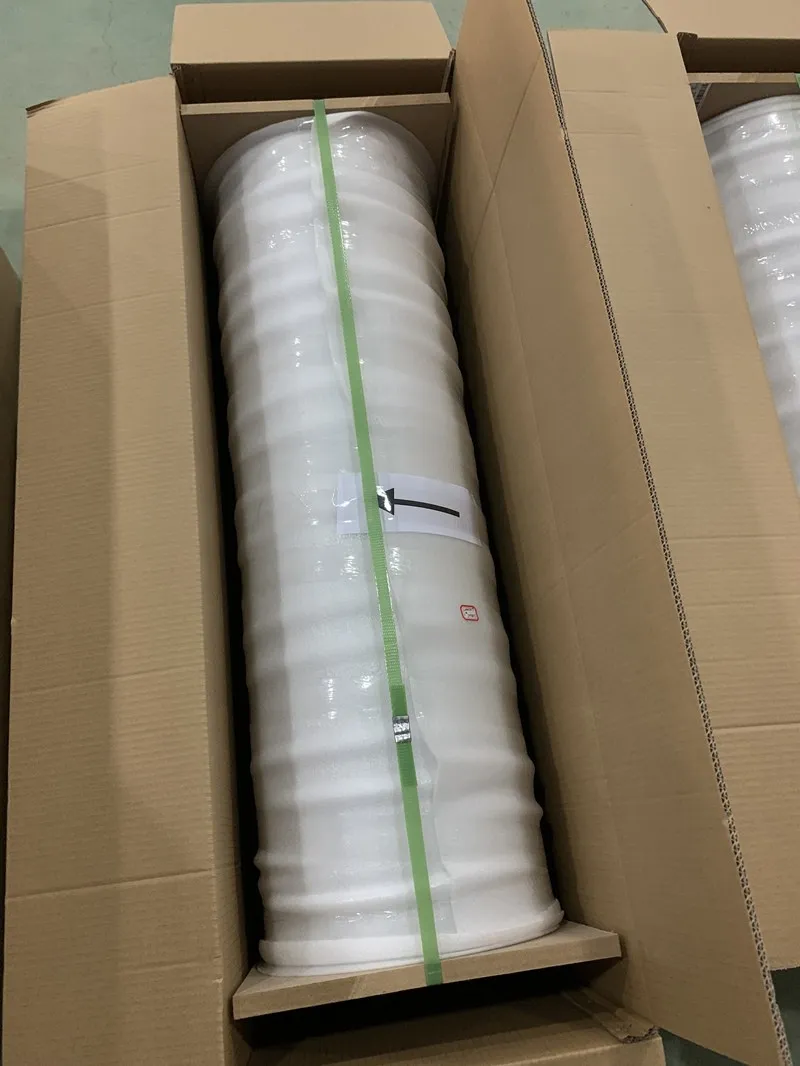
When the Nanofiltration Membrane Flat Sheet is not in use, proper storage is crucial. Store the membranes in a clean, dry, and cool environment. Exposure to extreme temperatures, humidity, or sunlight can damage the membrane and reduce its effectiveness.
During handling, use clean gloves and tools to prevent contamination. Avoid touching the membrane surface with dirty hands or sharp objects that could scratch it.
Conclusion
Ensuring the safety of using Nanofiltration Membrane Flat Sheet in food applications requires a holistic approach. From selecting the right materials and getting proper certifications to correct installation, regular cleaning, monitoring, and operator training, every step matters.
If you're in the food industry and looking for a reliable Nanofiltration Membrane Flat Sheet supplier, we're here to help. Our products are designed with safety in mind and have been trusted by many food businesses. Contact us to discuss your specific needs and let's start a great partnership.
References
- Food and Drug Administration (FDA). Regulations on food - contact materials.
- European Union. EU food contact regulations.
- Industry standards and guidelines for nanofiltration membrane use in food applications.