
As a supplier of RO 2521, I've encountered numerous inquiries regarding its safety. This blog aims to comprehensively explore the safety aspects of RO 2521, providing you with scientific and reliable information.
Understanding RO 2521
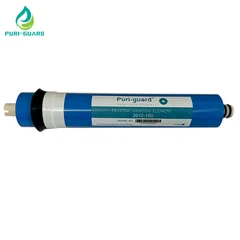
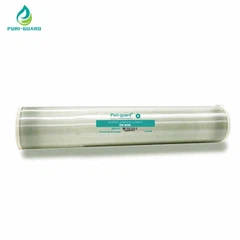
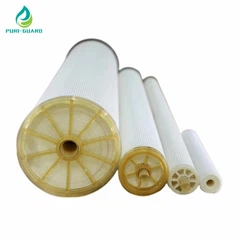
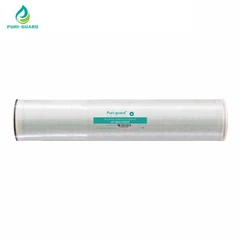
RO 2521 is a type of reverse osmosis (RO) membrane, a crucial component in water purification systems. Reverse osmosis is a process that uses a semi - permeable membrane to remove ions, molecules, and larger particles from water. RO 2521 membranes are designed for commercial and small - scale industrial applications, offering high - quality water filtration. To learn more about RO 2521, you can visit RO 2521.
Safety in Material Composition
The safety of RO 2521 starts with its material composition. These membranes are typically made from high - quality polymers that are carefully selected for their chemical stability and non - toxicity. The polymers used are resistant to a wide range of chemicals commonly found in water sources, including chlorine, acids, and bases, within specified limits.
Most RO 2521 membranes are made of thin - film composite (TFC) materials. TFC membranes are composed of a polyamide active layer supported by a porous polysulfone layer. The polyamide layer is responsible for the separation of contaminants from water, while the polysulfone layer provides mechanical support. These materials have been extensively tested and approved for use in water treatment applications by regulatory bodies around the world.
Performance and Safety in Water Treatment
One of the key safety aspects of RO 2521 is its performance in water treatment. These membranes are highly effective in removing a variety of contaminants, including heavy metals (such as lead, mercury, and cadmium), bacteria, viruses, and dissolved salts. By removing these harmful substances, RO 2521 helps to ensure that the treated water is safe for consumption and other applications.
For example, in areas where the water supply is contaminated with heavy metals, RO 2521 membranes can reduce the concentration of these metals to levels well below the maximum allowable limits set by health authorities. This significantly reduces the risk of health problems associated with heavy metal exposure, such as kidney damage, neurological disorders, and cancer.
In addition, RO 2521 membranes can also remove microorganisms from water. Bacteria and viruses are effectively trapped by the membrane, preventing them from passing through into the treated water. This is particularly important in preventing water - borne diseases, such as diarrhea, cholera, and typhoid.
Comparison with Other Membranes
To better understand the safety of RO 2521, it's useful to compare it with other similar membranes, such as TW30 2540 and TW30 2521.
TW30 2540 is another popular commercial RO membrane. While it has a larger diameter and higher flow rate compared to RO 2521, both membranes share similar safety features in terms of material composition and contaminant removal capabilities. However, the choice between the two may depend on the specific requirements of the water treatment system, such as the volume of water to be treated and the level of contaminants in the source water.
TW30 2521, on the other hand, has a similar size and structure to RO 2521. It also offers high - quality water filtration and safety. The main difference may lie in the performance characteristics, such as the rejection rate of certain contaminants and the operating pressure requirements.
Operational Safety
In addition to the safety of the membrane itself, operational safety is also an important consideration. When using RO 2521 membranes, it's essential to follow the manufacturer's instructions for installation, operation, and maintenance.
Proper pre - treatment of the feed water is crucial to ensure the long - term performance and safety of the RO 2521 membrane. This may include filtration to remove large particles, softening to reduce the hardness of the water, and dechlorination to protect the membrane from chlorine damage.
Regular maintenance of the RO system, including membrane cleaning and replacement, is also necessary to maintain its safety and performance. Over time, the membrane may become fouled with contaminants, which can reduce its efficiency and increase the risk of contamination in the treated water. By following the recommended maintenance schedule, you can ensure that the RO 2521 membrane continues to provide safe and clean water.
Regulatory Compliance
RO 2521 membranes are subject to strict regulatory requirements to ensure their safety. In many countries, these membranes must meet the standards set by organizations such as the National Sanitation Foundation (NSF) and the World Health Organization (WHO).


NSF certification indicates that the RO 2521 membrane has been tested and approved for use in drinking water treatment systems. The certification process involves rigorous testing of the membrane's performance, material safety, and compliance with health - related standards.
WHO guidelines provide a framework for the safety and quality of drinking water. RO 2521 membranes that comply with these guidelines are designed to remove contaminants to levels that are safe for human consumption.
Conclusion
In conclusion, RO 2521 is a safe and reliable choice for water treatment applications. Its high - quality material composition, effective contaminant removal capabilities, and compliance with regulatory standards make it a trusted solution for ensuring the safety of treated water.
Whether you're looking to purify water for a small business, a residential building, or an industrial facility, RO 2521 can provide you with the peace of mind that the water you're using is free from harmful contaminants.
If you're interested in learning more about RO 2521 or are considering purchasing it for your water treatment needs, please feel free to reach out to us. We're here to assist you with any questions you may have and to help you find the best solution for your specific requirements.
References
- National Sanitation Foundation (NSF). NSF/ANSI 58 - Reverse Osmosis Drinking Water Treatment Systems.
- World Health Organization (WHO). Guidelines for Drinking - Water Quality.
- Manufacturer's technical documentation for RO 2521, TW30 2540, and TW30 2521.