
Hey there! I'm a supplier of Household NF products, and today I wanna chat about the energy - efficiency ratings of these amazing items.
First off, let's get a bit of background. Household NF, or Household NF, stands for Household Nanofiltration. It's a technology that's becoming increasingly popular in homes around the world. Nanofiltration is a type of membrane filtration process that sits between ultrafiltration and reverse osmosis. It can remove a wide range of contaminants from water, including some salts, organic compounds, and microorganisms. And when it comes to energy efficiency, it has some pretty cool features.
One of the key things to understand about energy efficiency in Household NF products is how they compare to other water treatment technologies. Take Reverse Osmosis Nanofiltration for example. Reverse osmosis is a well - known water purification method, but it typically requires a lot of energy to operate. It needs high pressure to force water through a very tight membrane to remove almost all contaminants. On the other hand, Household NF operates at lower pressures. This means it uses less energy to achieve a good level of water purification.
The energy - efficiency ratings of Household NF products are usually measured in terms of kilowatt - hours (kWh) per cubic meter of water treated. Different models of Household NF systems will have different ratings, depending on factors like the size of the system, the quality of the membrane, and the operating pressure.
Let's talk about some of the factors that affect the energy - efficiency ratings of these products.
Membrane Quality
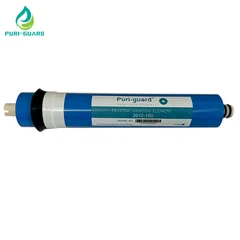
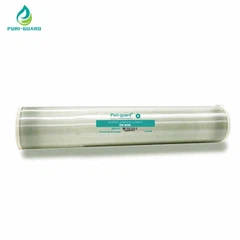
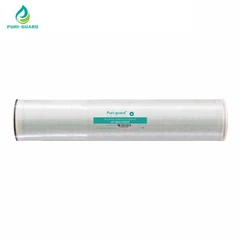
The quality of the nanofiltration membrane is crucial. A high - quality membrane allows water to pass through more easily with less resistance. This means that the pump doesn't have to work as hard to push the water through the membrane, resulting in lower energy consumption. For instance, the NF 4040 membrane is designed to have a high flux rate, which means it can let a large volume of water pass through in a given time with relatively low energy input.
System Design
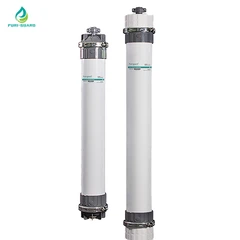
The design of the Household NF system also plays a big role. A well - designed system will have an efficient pump and a proper flow path for the water. Some systems are designed with advanced control mechanisms that can adjust the pump speed based on the water demand. For example, if you're using less water, the pump can slow down, reducing energy consumption.
Feed Water Quality
The quality of the water that goes into the Household NF system, known as the feed water, affects energy efficiency too. If the feed water has a high concentration of contaminants, the system may need to work harder to purify it. This could mean higher energy consumption. On the other hand, if the feed water is relatively clean, the system can operate more efficiently.
Now, let's look at why energy efficiency in Household NF products is so important.
Cost Savings
For homeowners, energy - efficient Household NF systems mean lower electricity bills. Over time, these savings can add up significantly. If you're using a system that consumes less energy, you're not only being kind to your wallet but also to the environment.
Environmental Impact
In today's world, reducing our carbon footprint is more important than ever. Energy - efficient Household NF products help in this regard. By using less energy, they contribute less to greenhouse gas emissions associated with electricity generation. This is a win - win situation for both the planet and the end - user.
Sustainability
As the demand for clean water continues to grow, it's essential to have sustainable water treatment solutions. Energy - efficient Household NF systems are a step in the right direction. They can provide clean water while using fewer resources, making them a more sustainable choice for the long term.
When you're looking to buy a Household NF system, it's important to pay attention to the energy - efficiency ratings. You can usually find this information in the product specifications provided by the manufacturer. Some manufacturers may also provide an estimated annual energy consumption based on average usage.
It's also a good idea to compare different models and brands. Look at the energy - efficiency ratings side by side and consider other factors like the cost of the system, the maintenance requirements, and the warranty.
If you're in the market for a Household NF system and want to learn more about the energy - efficiency ratings of our products, don't hesitate to reach out. We're here to help you make an informed decision. Whether you're a homeowner looking for a reliable water treatment solution or a business in need of a larger - scale system, we've got you covered.
We understand that every customer has different needs, and we're committed to providing the best possible products and services. Our team of experts can answer all your questions and guide you through the selection process.


So, if you're interested in purchasing a Household NF system, let's start a conversation. We can discuss your specific requirements, show you our range of products, and help you find the most energy - efficient solution for your situation.
In conclusion, energy - efficient Household NF products are a great choice for anyone looking for clean water with low energy consumption. They offer cost savings, environmental benefits, and long - term sustainability. Don't miss out on the opportunity to have a high - quality water treatment system that's both efficient and effective.
If you have any questions or want to start the procurement process, feel free to get in touch. We're excited to work with you and provide you with the best Household NF solutions.
References
- General knowledge of nanofiltration technology and energy efficiency in water treatment systems.
- Product specifications and research materials provided by membrane manufacturers.