

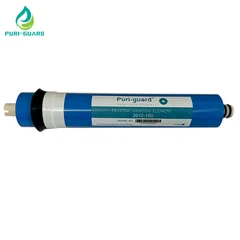
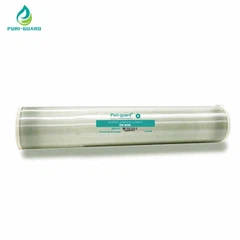
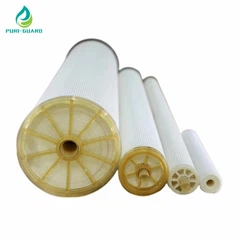
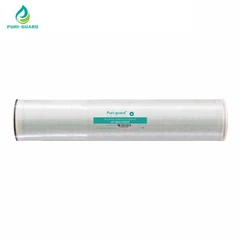
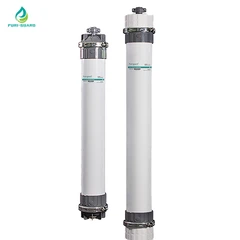
Yo! I'm stoked to share the ins and outs of the installation process of SWRO membranes, especially since I'm part of a supplier team. We've been in the game, dealing with all sorts of SWRO membranes like the SW 4040, SW30 2540 Membrane, and SW30 2521. So, let's dive right in!
Pre - installation Checks
Before you even think about getting your hands dirty with the actual installation, there are a bunch of checks you gotta do. First off, make sure the membrane housing is clean. Any debris or dirt in there can mess with the membrane's performance and lifespan. You can use a mild detergent and a soft brush to clean it up, then rinse thoroughly with clean water.
Next, check the membrane itself. Look for any visible damage like scratches or holes. Even a tiny scratch can lead to leaks and reduced efficiency. If you spot any damage, don't use that membrane. Reach out to us, and we'll sort you out with a new one.
Also, take a look at the O - rings. These little guys are crucial for creating a tight seal. Make sure they're in good condition, without any cracks or deformities. You can lubricate them lightly with a silicone - based lubricant to make the installation smoother.
Tools and Materials
You'll need a few tools and materials for the installation. A torque wrench is a must - have. This will help you tighten the bolts on the membrane housing to the correct specifications. You'll also need a bucket to catch any water that might drain out during the process, and some rags to clean up any spills.
For materials, apart from the membrane itself, you'll need the right O - rings. We always recommend using the O - rings that come with the membrane or ones that are specifically designed for your membrane model. And don't forget the anti - scaling chemicals. These will help prevent the build - up of scale on the membrane, which can reduce its performance over time.
Installation Steps
Step 1: Prepare the Membrane
Start by removing the membrane from its packaging. Be super careful not to touch the membrane surface with your bare hands. Oils from your skin can contaminate the membrane. If you absolutely have to handle it, wear clean gloves.
Inspect the membrane end caps. They should be firmly attached. If there's any looseness, gently tap the end cap back into place.
Step 2: Install the Membrane in the Housing
Lift the membrane housing lid and place the membrane inside. Make sure the membrane is oriented correctly. Usually, there are markings on the membrane and the housing to guide you. Slide the membrane in slowly and carefully to avoid any damage.
Once the membrane is in position, place the O - rings on the appropriate grooves. Apply a thin layer of the silicone - based lubricant to the O - rings. This will not only make it easier to install but also ensure a better seal.
Step 3: Secure the Housing Lid
Place the housing lid back on. Line up the holes in the lid with the bolts on the housing. Start tightening the bolts evenly, using the torque wrench. Don't tighten one bolt all the way first. Instead, go around the bolts in a star - pattern, gradually tightening them to the recommended torque value. This will ensure an even seal and prevent leaks.


Step 4: Connect the Pipes
Now it's time to connect the feed, permeate, and concentrate pipes. Use the right fittings and make sure they're tightened properly. You can use a pipe wrench to ensure a good connection, but be careful not to over - tighten and damage the pipes or fittings.
Check for any signs of leaks around the pipe connections. If you find any leaks, tighten the fittings a bit more or add some Teflon tape to the threads.
Post - installation Checks
Once the installation is done, you're not quite off the hook yet. You need to do some post - installation checks. First, turn on the water supply slowly. This will allow the system to pressurize gradually and prevent any sudden pressure surges that could damage the membrane.
Check for leaks again, this time with the water flowing. Look around the membrane housing, pipe connections, and any other joints. If you find any leaks, shut off the water supply immediately and fix the issue.
Let the system run for a while. Monitor the pressure gauges and flow meters. The pressure should be within the recommended range for the membrane. If the pressure is too high or too low, it could indicate a problem with the installation or the system itself.
Maintenance Tips
To keep your SWRO membrane working in top - notch condition, regular maintenance is key. Flush the system regularly to remove any accumulated debris or contaminants. You can do this by running clean water through the system for a few minutes.
Replace the pre - filters as recommended. These filters help protect the membrane from larger particles. If the pre - filters are clogged, it can put extra strain on the membrane and reduce its lifespan.
And don't forget about the anti - scaling chemicals. Follow the manufacturer's instructions on how often to add them to the system. This will help prevent scale build - up and keep the membrane efficient.
Wrapping Up
So, there you have it - the installation process of SWRO membranes. It might seem a bit daunting at first, but if you follow these steps carefully, you'll be good to go. Whether you're installing the SW 4040, SW30 2540 Membrane, or SW30 2521, these steps will serve as a solid guide.
If you have any questions or need more help with the installation or just want to purchase some high - quality SWRO membranes, don't hesitate to reach out. We're here to make sure you get the best performance out of your membrane system.
References
- General knowledge from years of working in the SWRO membrane supply industry.