
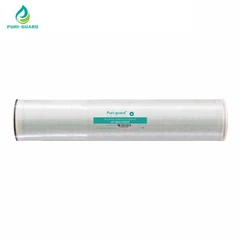
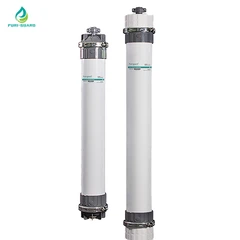
Nanofiltration membrane flat sheets have emerged as a crucial component in various separation and purification processes across multiple industries. As a supplier of Nanofiltration Membrane Flat Sheet, I have witnessed firsthand the growing demand for these membranes due to their unique properties and applications. In this blog, we will delve into the concept of the long - term stability of nanofiltration membrane flat sheets, exploring its significance, influencing factors, and how we ensure the high - quality and long - lasting performance of our products.
Significance of Long - Term Stability
The long - term stability of nanofiltration membrane flat sheets is of utmost importance for several reasons. Firstly, in industrial applications, such as water treatment, food and beverage processing, and pharmaceutical manufacturing, continuous and reliable operation is essential. A stable membrane can maintain its separation efficiency over an extended period, reducing the need for frequent membrane replacements. This not only saves costs associated with membrane procurement but also minimizes downtime for membrane change - outs, ensuring uninterrupted production.

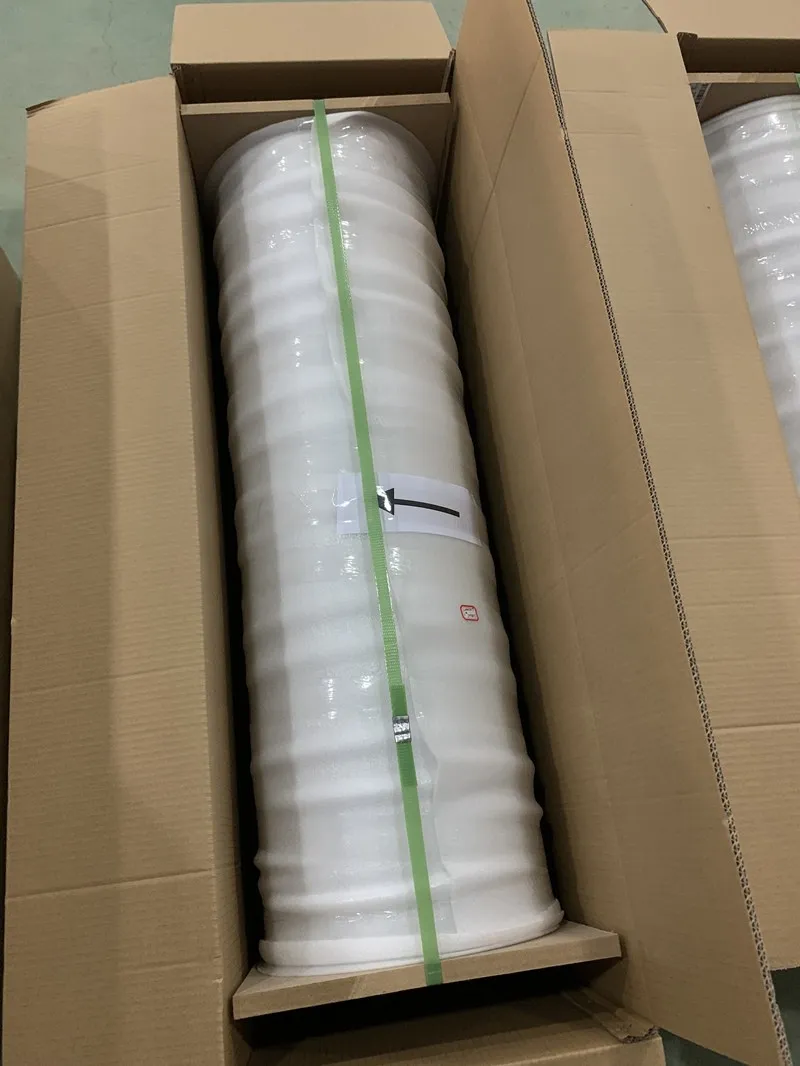
Secondly, long - term stability is directly related to the quality of the end - product. For example, in the production of ultrapure water for semiconductor manufacturing, a stable nanofiltration membrane can consistently remove impurities, ensuring that the water quality meets the strict requirements of the industry. In the food and beverage industry, a stable membrane can effectively retain flavor compounds and nutrients while removing unwanted substances, maintaining the taste and nutritional value of the products.
Factors Affecting Long - Term Stability
Chemical Compatibility
One of the primary factors influencing the long - term stability of nanofiltration membrane flat sheets is chemical compatibility. Membranes are often exposed to various chemicals during the filtration process, including acids, bases, salts, and organic solvents. If the membrane material is not chemically compatible with these substances, it can lead to membrane degradation. For instance, some polymers used in membrane fabrication may be susceptible to hydrolysis in acidic or alkaline environments. Over time, this can cause the membrane structure to break down, resulting in a decrease in separation performance and an increase in membrane fouling.
As a supplier, we carefully select membrane materials based on their chemical resistance. Our Nanofiltration Membrane Flat Sheet is designed to withstand a wide range of chemical conditions, ensuring long - term stability in different industrial applications. We also provide detailed chemical compatibility charts to our customers, helping them choose the most suitable membrane for their specific chemical environment.
Physical Stress
Physical stress can also have a significant impact on the long - term stability of nanofiltration membrane flat sheets. During the filtration process, membranes are subjected to pressure differentials, shear forces, and mechanical vibrations. High pressure differentials can cause membrane compaction, which may reduce the membrane's porosity and permeability over time. Shear forces generated by the flow of the feed solution can lead to membrane abrasion, especially if the feed contains solid particles.
To address these issues, we optimize the membrane structure and support layer design to enhance its mechanical strength. Our membranes are engineered to withstand high - pressure operations without significant compaction. Additionally, we offer pre - filtration solutions to remove solid particles from the feed, reducing the risk of membrane abrasion and extending the membrane's lifespan.
Fouling
Fouling is another critical factor that affects the long - term stability of nanofiltration membrane flat sheets. Fouling occurs when particles, colloids, microorganisms, or macromolecules accumulate on the membrane surface or within the membrane pores. This can lead to a decrease in membrane flux and an increase in operating pressure, ultimately reducing the membrane's performance.
There are several types of fouling, including organic fouling, inorganic fouling, and biofouling. Organic fouling is caused by the adsorption of organic substances, such as proteins and humic acids, on the membrane surface. Inorganic fouling results from the precipitation of salts, such as calcium carbonate and silica, within the membrane pores. Biofouling is caused by the growth of microorganisms on the membrane surface, forming a biofilm that can block the membrane pores.
To mitigate fouling, we have developed advanced membrane surface modification techniques. Our membranes have a hydrophilic surface, which reduces the adsorption of organic substances and makes them more resistant to fouling. We also provide cleaning protocols and chemical cleaning agents to our customers, enabling them to effectively remove fouling and restore the membrane's performance.
Ensuring Long - Term Stability in Our Products
Quality Control in Manufacturing
At our company, we implement strict quality control measures throughout the manufacturing process of Nanofiltration Membrane Flat Sheet. We use high - quality raw materials and advanced manufacturing techniques to ensure the uniformity and integrity of the membrane structure. Each batch of membranes undergoes rigorous testing, including permeability testing, rejection testing, and mechanical strength testing, to ensure that it meets our strict quality standards.
Research and Development
We invest heavily in research and development to continuously improve the long - term stability of our membranes. Our R & D team is constantly exploring new membrane materials and fabrication techniques. For example, we are researching the use of novel polymers with enhanced chemical resistance and mechanical strength. We are also developing new surface modification methods to further improve membrane fouling resistance.
Customer Support
We understand that providing excellent customer support is crucial for ensuring the long - term stability of our membranes in the field. Our technical support team is available to assist customers with membrane selection, installation, and operation. We also offer on - site training to help customers optimize their filtration processes and maintain the membranes properly.
Applications and Long - Term Stability
Water Treatment
In water treatment applications, the long - term stability of nanofiltration membrane flat sheets is essential for providing clean and safe water. Nanofiltration membranes can effectively remove a wide range of contaminants, including heavy metals, pesticides, and microorganisms. In municipal water treatment plants, a stable membrane can ensure the continuous supply of high - quality drinking water. In industrial wastewater treatment, a long - lasting membrane can help companies meet environmental regulations by effectively treating and recycling wastewater.
Food and Beverage Industry
The food and beverage industry also benefits greatly from the long - term stability of nanofiltration membrane flat sheets. Membranes are used for processes such as clarification, concentration, and desalination. For example, in the production of fruit juices, a stable membrane can remove suspended solids and microorganisms while retaining the natural flavor and nutrients of the juice. In the dairy industry, nanofiltration membranes can be used to concentrate milk proteins and lactose, improving the efficiency of cheese and yogurt production.
Pharmaceutical Industry
In the pharmaceutical industry, the long - term stability of nanofiltration membrane flat sheets is critical for the production of high - quality drugs. Membranes are used for the purification of active pharmaceutical ingredients (APIs), the removal of endotoxins, and the production of sterile water. A stable membrane can ensure the consistent quality of pharmaceutical products, meeting the strict regulatory requirements of the industry.
Conclusion
The long - term stability of nanofiltration membrane flat sheets is a complex but crucial aspect of membrane technology. By understanding the factors that affect long - term stability, such as chemical compatibility, physical stress, and fouling, and taking appropriate measures to address these issues, we can ensure that our membranes provide reliable and consistent performance over an extended period.
As a leading supplier of Nanofiltration Membrane Flat Sheet, we are committed to providing high - quality membranes with excellent long - term stability. Our focus on chemical resistance, mechanical strength, and fouling resistance, combined with strict quality control and continuous research and development, enables us to offer membranes that meet the diverse needs of our customers across various industries.
If you are interested in learning more about our nanofiltration membrane flat sheets or have any questions regarding membrane selection and application, please feel free to contact us. We are ready to discuss your specific requirements and provide you with the best solutions for your filtration needs. Let's work together to achieve efficient and sustainable filtration processes.
References
- Cheryan, M. Ultrafiltration and Microfiltration Handbook. Technomic Publishing Co., Inc., 1998.
- Mulder, M. Basic Principles of Membrane Technology. Kluwer Academic Publishers, 1996.
- Baker, R. W. Membrane Technology and Applications. John Wiley & Sons, 2004.