

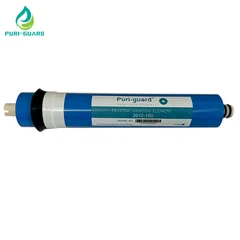
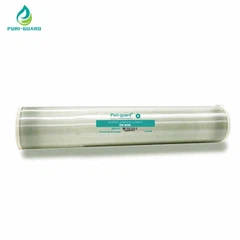
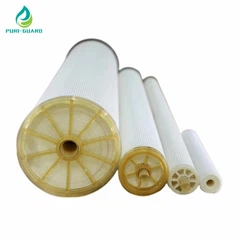
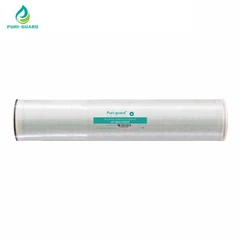
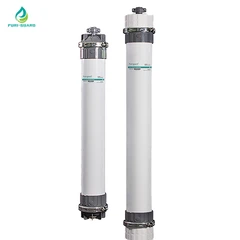
When it comes to residential water treatment, nanofiltration (NF) membranes have emerged as a popular choice for many households. As a supplier of Residential NF Membranes, I often receive inquiries about the optimal water temperature for these membranes. In this blog post, I will delve into the science behind the ideal water temperature for residential NF membranes, exploring how temperature affects membrane performance and providing practical guidance for homeowners.
Understanding Nanofiltration Membranes
Before we discuss the optimal water temperature, let's briefly understand what nanofiltration membranes are and how they work. Nanofiltration is a pressure-driven membrane filtration process that lies between ultrafiltration and reverse osmosis. NF membranes have pore sizes typically in the range of 1 - 10 nanometers, which allows them to remove a wide range of contaminants, including divalent ions, organic compounds, and some microorganisms, while allowing monovalent ions and water molecules to pass through.
Residential NF membranes are commonly used for treating tap water to improve its taste, reduce hardness, and remove certain contaminants. They are an effective and cost - efficient solution for households looking to enhance the quality of their drinking water.
The Impact of Temperature on NF Membrane Performance
Permeability
One of the most significant effects of temperature on NF membranes is its impact on permeability. Permeability refers to the rate at which water passes through the membrane. As the temperature of the feed water increases, the viscosity of water decreases. A lower viscosity means that water molecules can move more freely through the membrane pores, resulting in an increase in water flux (the volume of water passing through a unit area of the membrane per unit time).
Mathematically, the relationship between water flux (J) and temperature (T) can be described by the Arrhenius - type equation. Generally, for every 10°C increase in temperature, the water flux through an NF membrane can increase by approximately 20 - 30%. This means that at higher temperatures, the membrane can produce more treated water in a given period.
Rejection
Rejection is another crucial performance parameter of NF membranes, which measures the ability of the membrane to retain contaminants. Temperature can also affect rejection rates. In general, as the temperature rises, the rejection of some solutes by the NF membrane may decrease. This is because higher temperatures increase the kinetic energy of the solute molecules, making it easier for them to pass through the membrane pores.
For example, the rejection of divalent ions such as calcium and magnesium (which are responsible for water hardness) may be slightly lower at higher temperatures. However, the impact of temperature on rejection is often less significant than its impact on permeability.
Membrane Integrity
Extreme temperatures can also have a negative impact on the physical and chemical integrity of the NF membrane. High temperatures can cause the membrane material to expand, which may lead to changes in pore size and structure. Prolonged exposure to very high temperatures (above the recommended operating temperature) can even cause irreversible damage to the membrane, such as degradation of the polymer material.
On the other hand, very low temperatures can make the membrane material more brittle, increasing the risk of mechanical damage during operation. Additionally, low temperatures can cause the water to freeze inside the membrane module, which can rupture the membrane and render it useless.
Determining the Optimal Water Temperature
Based on the above - mentioned factors, the optimal water temperature for a residential NF membrane typically ranges from 5°C to 45°C. This temperature range is a compromise between maximizing water flux and maintaining good rejection rates while ensuring the long - term integrity of the membrane.
- Low - Temperature Operation (5 - 15°C): At the lower end of the temperature range, the water flux is relatively low due to the higher viscosity of water. However, the rejection rates are generally higher. Homeowners in colder climates may experience slower water production rates from their NF membrane systems, but they can expect better removal of contaminants. To improve the performance at low temperatures, some systems may be equipped with pre - heaters to warm the feed water slightly.
- Moderate - Temperature Operation (15 - 30°C): This is considered the ideal temperature range for most residential NF membranes. In this range, the water flux is high enough to provide sufficient treated water for household needs, and the rejection rates are still satisfactory. The membrane is also less likely to experience any temperature - related damage, ensuring a long service life.
- High - Temperature Operation (30 - 45°C): At higher temperatures, the water flux is significantly increased, but the rejection rates may start to decline. Homeowners in warmer climates or those using hot water sources may need to be aware of this trade - off. Additionally, continuous operation at the upper end of the temperature range may shorten the lifespan of the membrane. It is important to monitor the water quality and membrane performance regularly in such cases.
Practical Considerations for Homeowners
As a supplier of Residential NF Membranes, I often provide the following practical advice to homeowners:
- Monitor Water Temperature: Install a thermometer in the feed water line to monitor the temperature regularly. This will help you understand how the temperature affects the performance of your NF membrane system and take appropriate actions if necessary.
- Pre - heat or Cool the Feed Water: If the water temperature is consistently outside the optimal range, you can consider using a pre - heater or cooler to adjust the temperature of the feed water. However, make sure that the heating or cooling device is properly sized and installed to avoid over - or under - temperature conditions.
- Follow Manufacturer's Recommendations: Each NF membrane has specific operating temperature limits provided by the manufacturer. It is crucial to follow these recommendations to ensure the best performance and longevity of the membrane.
Product Recommendations
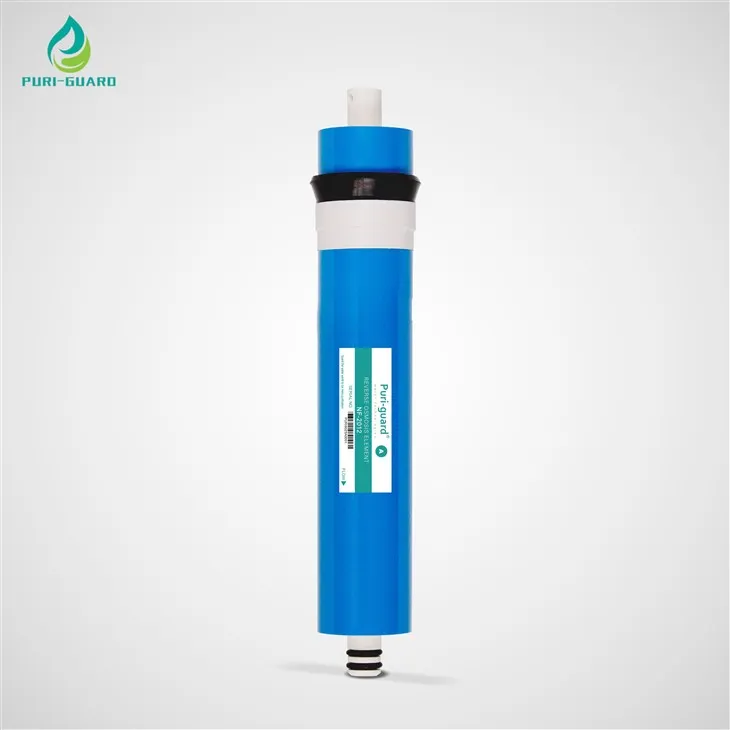
We offer a range of high - quality residential NF membranes, such as the Nanofiltration NF 8040, Water Nanofiltration, and NF 40 Membrane. These membranes are designed to operate within the optimal temperature range of 5 - 45°C and provide excellent performance in terms of water flux and rejection.

Contact for Purchase and Consultation
If you are interested in purchasing a residential NF membrane or have any questions about the optimal water temperature or membrane performance, please feel free to contact us. Our team of experts is ready to provide you with detailed information and assist you in choosing the right membrane for your needs. We can also offer guidance on installation, operation, and maintenance to ensure that you get the most out of your NF membrane system.
References
- Cheryan, M. (1998). Ultrafiltration and Microfiltration Handbook. Technomic Publishing.
- Mulder, M. (1996). Basic Principles of Membrane Technology. Kluwer Academic Publishers.
- Baker, R. W. (2004). Membrane Technology and Applications. Wiley - Interscience.