
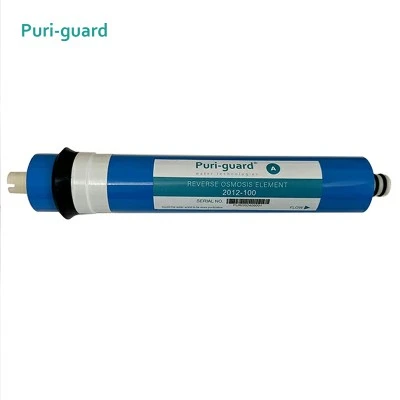
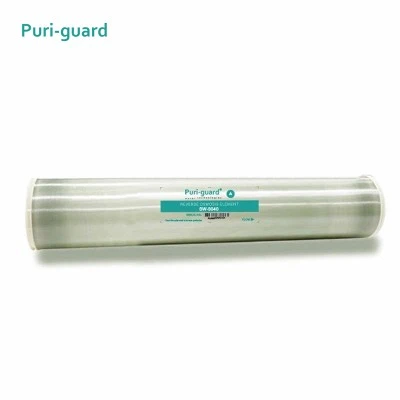
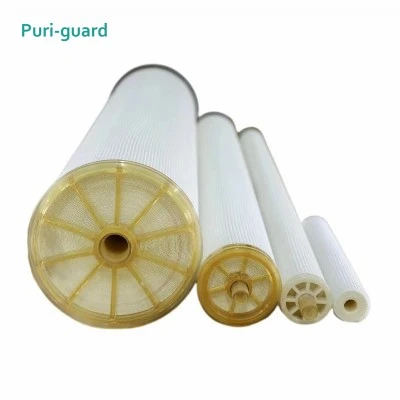
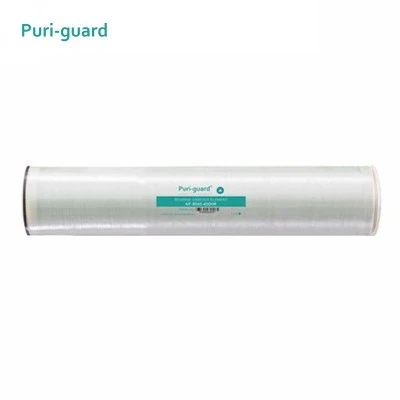
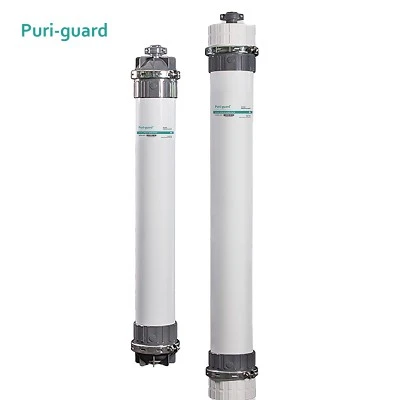
Reverse osmosis membranes are widely used in many fields, but their desalination rate is affected by many factors. According to the many years of experience of PWT technicians, the oxidation of residual chlorine (free chlorine or residual chlorine) is the key factor affecting the desalination rate. Although pretreatment chlorination sterilization is a common pretreatment method that can effectively control the number of raw water microbial colonies, the leakage of residual chlorine may cause serious damage to the reverse osmosis membrane elements.
So, how to avoid the loss caused by membrane oxidation and keep the reverse osmosis system at a high desalination rate after 3 to 5 years or even longer? Here are some cases worth learning:
🏭 Industrial water treatment: In industrial applications, reverse osmosis membranes can effectively remove impurities from water and ensure the high quality of industrial water.
🌊 Desalination: Reverse osmosis membranes are the core of desalination processes such as seawater desalination, and can efficiently remove salt from seawater.
♻️ Environmental protection: In sewage treatment and recycling, reverse osmosis membranes can help reduce pollutant emissions and protect the environment.
🏦 Coal chemical industry: In the coal chemical industry, reverse osmosis membranes can effectively remove harmful substances from wastewater and ensure that wastewater treatment meets standards.
💧 Water purification: In household and commercial water purification systems, reverse osmosis membranes can provide safe and healthy drinking water.
Through these cases, we can see the important role of reverse osmosis membranes in various fields, and how to extend the service life of membrane elements through reasonable pretreatment and operation and maintenance.