
1. Energy saving and consumption reduction
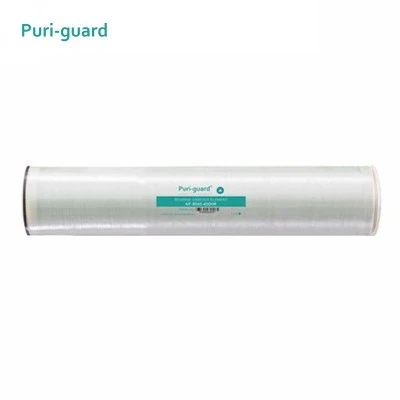
Low-pressure RO reverse osmosis membranes have shown significant energy-saving and consumption-reducing characteristics in the water treatment process. Because it can achieve an effective separation process at a lower operating pressure (usually 0.5~1.6MPa), it greatly reduces the energy consumption required for operation compared with traditional high-pressure reverse osmosis membranes. For example, when treating brackish water, surface water, groundwater, tap water and other water sources with a salt content of less than 2000ppm, low-pressure RO membranes can effectively desalinate and save a lot of energy. According to relevant data, the energy consumption of water treatment systems using low-pressure RO membranes can be reduced by about 30% to 50% compared with high-pressure systems. This can significantly reduce operating costs for long-term water treatment facilities, especially in the context of rising energy prices. The low energy consumption advantage of low-pressure RO membranes is more prominent, making it more competitive among many water treatment technologies.
2. Equipment simplification and cost control
The application of low-pressure RO reverse osmosis membranes helps to simplify water treatment equipment and effectively control costs. Since the operating pressure of low-pressure RO membrane is low, it does not need to be equipped with high-pressure pumps and high-strength pressure vessels, thus reducing the complexity of the equipment and the initial investment cost. For example, the operating pressure of conventional reverse osmosis membrane is 1.3-1.5 MPa, while the operating pressure of ultra-low pressure reverse osmosis membrane is about 0.8 MPa or even lower, which makes the overall structure of the equipment simpler, reduces the volume and weight of the equipment, and is easy to install and maintain. In addition, the low energy consumption characteristics of low-pressure RO membrane also mean that a large amount of electricity expenses can be saved in the long-term operation process, further reducing the operating cost. It is estimated that for large RO systems, the selection of low-pressure RO membrane can basically offset more than 70% of the annual depreciation cost of the membrane, and the saving effect is more significant.
3. Technological innovation and market expansion
The technological innovation of low-pressure RO reverse osmosis membrane continues to promote its performance improvement and the expansion of its application field. With the advancement of membrane material science and the optimization of membrane manufacturing process, the performance indicators of low-pressure RO membrane such as water flux, desalination rate and anti-pollution ability have been significantly improved. For example, the new low-pressure RO membrane uses advanced nanomaterials and composite technology, which not only improves the hydrophilicity of the membrane and reduces the pollution on the membrane surface, but also enhances the mechanical strength and chemical stability of the membrane and prolongs the service life of the membrane. These technological innovations enable the low-pressure RO membrane to maintain high efficiency when treating more complex water quality and higher concentrations of pollutants, thereby broadening its application in high-end fields such as industrial wastewater treatment, seawater desalination, and biomedicine. At the same time, the market for low-pressure RO membranes is also constantly expanding. Not only has it been widely used in the domestic market, it has also gradually occupied a place in the international market, providing more options and solutions for the development of the water treatment industry.