
1. Low energy consumption operation
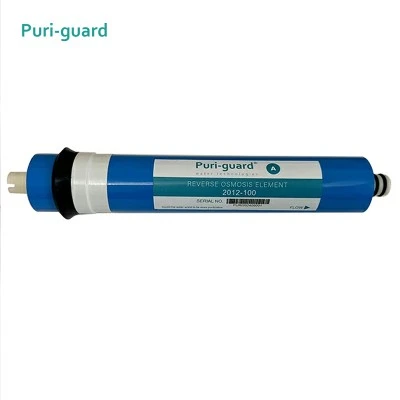
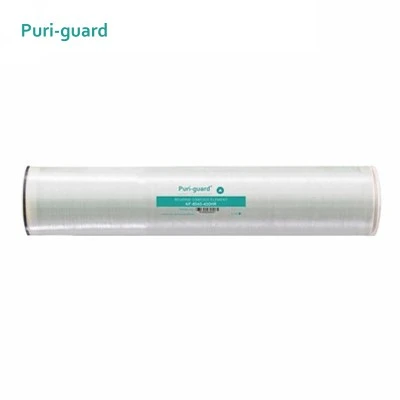
Low-pressure RO reverse osmosis membrane exhibits significant low energy consumption characteristics in the water treatment process. Because it can achieve an effective separation process at a lower operating pressure (usually 0.5~1.6MPa), it greatly reduces the energy consumption required for operation compared with traditional high-pressure reverse osmosis membranes. For example, when treating brackish water, surface water, groundwater, tap water and other water sources with a salt content of less than 2000ppm, low-pressure RO membranes can effectively desalinate and save a lot of energy. According to relevant data, the energy consumption of water treatment systems using low-pressure RO membranes can be reduced by about 30% to 50% compared with high-pressure systems. This can significantly reduce operating costs for long-term water treatment facilities, especially in the context of rising energy prices. The low energy consumption advantage of low-pressure RO membranes is more prominent, making it more competitive among many water treatment technologies.
2. High water flux
Low-pressure RO reverse osmosis membranes usually have a higher water flux and can produce more purified water per unit time. This feature enables low-pressure RO membranes to more efficiently meet water demand when treating large-scale water sources. For example, in some industrial water use scenarios, such as the production of high-purity water in the electronics and pharmaceutical industries, as well as wastewater treatment in the food industry and the production of beverage water, low-pressure RO membranes can quickly convert a large amount of raw water into the required pure water or treated water, improving production efficiency. At the same time, in household reverse osmosis water purifiers, low-pressure RO membranes can also ensure sufficient water production to provide sufficient drinking water for families. According to relevant research and actual application data, the water production flux of low-pressure RO membranes can generally reach about 10 to 20 liters of water per square meter of membrane area per hour, or even higher. This value will vary under different water quality and operating conditions, but overall it is better than traditional high-pressure reverse osmosis membranes, providing users with more efficient and economical water treatment solutions.
3. Higher desalination rate
Although the working pressure of low-pressure RO reverse osmosis membranes is relatively low, they can still maintain a high desalination rate. When treating low-salinity and low-hardness water sources, the desalination rate of low-pressure RO membranes can usually reach about 95% to 99%, which can effectively remove impurities such as dissolved salts, heavy metal ions, and organic matter in the water, thereby ensuring the purity of the effluent water quality. This high desalination rate enables low-pressure RO membranes to meet the strict requirements for water quality in many water treatment applications. For example, in the field of drinking water purification, low-pressure RO membranes can remove harmful substances such as residual chlorine, heavy metals, and microorganisms in tap water, providing people with safe and healthy drinking water; in the pharmaceutical industry, low-pressure RO membranes are used to prepare process water with high purity requirements. Its high desalination rate ensures the purity of water quality and meets strict pharmacopoeia standards and GMP requirements. In addition, low-pressure RO membranes also have important applications in agricultural irrigation. By removing salt and harmful substances from water, water quality suitable for crop irrigation is generated, which is conducive to the sustainable development of agriculture.