

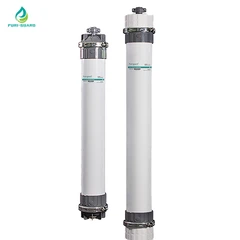
In the realm of water treatment, reverse osmosis (RO) and nanofiltration (NF) have emerged as two of the most effective and widely adopted technologies. As a proud supplier of Reverse Osmosis Nanofiltration systems, I've witnessed firsthand the transformative impact these technologies have on providing clean, safe water. However, a question that often arises is: Are there any health risks associated with water treated by reverse osmosis nanofiltration? In this blog, we'll delve into this topic, exploring the science behind these processes and their potential implications for human health.
Understanding Reverse Osmosis and Nanofiltration
Before we discuss the health aspects, it's essential to understand what reverse osmosis and nanofiltration are. Reverse osmosis is a water purification process that uses a semi - permeable membrane to remove ions, molecules, and larger particles from water. It operates by applying pressure to the water on one side of the membrane, forcing it through while leaving behind contaminants. Nanofiltration, on the other hand, is a similar process but with a membrane that has larger pores than RO membranes. NF can remove most organic molecules, divalent ions, and some monovalent ions, while allowing certain beneficial substances to pass through.
The Benefits of RO and NF Treated Water
One of the primary advantages of water treated by reverse osmosis and nanofiltration is its high level of purity. These processes can effectively remove a wide range of contaminants, including heavy metals such as lead, mercury, and arsenic, as well as bacteria, viruses, and pesticides. For example, in areas where the water supply is contaminated with industrial pollutants or agricultural runoff, RO and NF systems can provide a reliable source of clean water.
Moreover, RO and NF treated water is often used in medical facilities, laboratories, and the food and beverage industry, where high - quality water is crucial. In these settings, the purity of the water helps ensure the safety and efficacy of products and processes.
Potential Health Risks: The Mineral Dilemma
One of the main concerns raised about RO and NF treated water is the potential loss of essential minerals. Since these processes can remove a significant portion of dissolved minerals in water, such as calcium, magnesium, and potassium, there are worries that long - term consumption of such water may lead to mineral deficiencies.
Calcium and magnesium are important for bone health, muscle function, and nerve transmission. Potassium plays a vital role in maintaining proper heart rhythm and fluid balance in the body. However, it's important to note that our primary source of these minerals is not water but rather our diet. Fruits, vegetables, dairy products, and whole grains are rich sources of essential minerals.
Numerous studies have been conducted to assess the impact of low - mineral water on human health. Some research suggests that while drinking low - mineral water may slightly reduce the intake of certain minerals, the overall effect on health is minimal as long as a balanced diet is maintained. For instance, a study published in the "Journal of the American College of Nutrition" found that the contribution of water to total mineral intake is relatively small compared to food sources.
Microbiological Safety
Another aspect to consider is the microbiological safety of RO and NF treated water. While these processes are highly effective at removing bacteria and viruses, there is a risk of post - treatment contamination. If the RO or NF system is not properly maintained, or if the treated water is stored in unclean containers, it can become a breeding ground for microorganisms.
To mitigate this risk, it's crucial to follow proper maintenance procedures for RO and NF systems, including regular membrane replacement, disinfection, and water quality testing. Additionally, using high - quality storage containers and ensuring proper handling of the treated water can help maintain its microbiological safety.
pH and Acid - Base Balance
Reverse osmosis and nanofiltration can also affect the pH of water. RO treated water is often slightly acidic because the process removes alkaline substances. Some people worry that drinking acidic water may disrupt the body's acid - base balance. However, the human body has a sophisticated system for regulating pH, and the small changes in water pH are unlikely to have a significant impact on overall health.
In fact, the body can easily adjust to the pH of the water we drink, and the food we consume has a much greater influence on our acid - base balance. For example, a diet high in processed foods and animal products tends to be more acidic, while a diet rich in fruits and vegetables is more alkaline.


Our Commitment as a Supplier
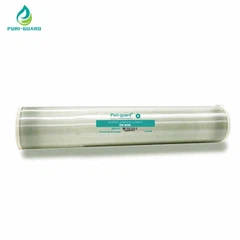
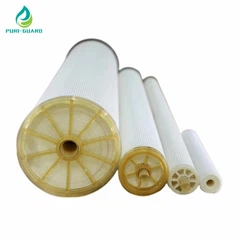
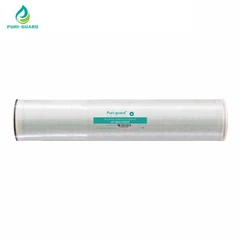
As a supplier of Reverse Osmosis Nanofiltration systems, we are committed to providing our customers with the highest - quality products and ensuring that they are well - informed about the technology. We offer a range of products, including Household NF, NF 40 Membrane, and Nanofiltration NF 8040, which are designed to meet different water treatment needs.
We also provide comprehensive support to our customers, including installation, maintenance, and water quality testing services. Our team of experts is always available to answer any questions and address concerns about the health aspects of RO and NF treated water.
Making an Informed Decision
When considering whether to use RO or NF treated water, it's important to weigh the benefits against the potential risks. For most people, the benefits of having access to clean, contaminant - free water far outweigh the minor concerns about mineral loss. However, if you have specific health conditions or dietary restrictions, it's advisable to consult a healthcare professional or a water treatment expert.
Contact Us for More Information
If you're interested in learning more about our Reverse Osmosis Nanofiltration systems or have any questions about water treatment, we encourage you to reach out to us. Our knowledgeable sales team is ready to assist you in finding the right solution for your water treatment needs. Whether you're a homeowner looking for a reliable household water filtration system or a business in need of industrial - scale water purification, we have the expertise and products to meet your requirements.
References
- Journal of the American College of Nutrition, various issues on water and mineral intake.
- World Health Organization reports on water quality and health.
- Scientific studies on reverse osmosis and nanofiltration technology.