

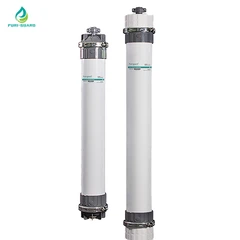
In the cosmetic industry, the quality of water used in product formulation is of paramount importance. Water serves as a primary ingredient in many cosmetic products, including lotions, creams, shampoos, and toners. Impurities in water can have detrimental effects on the stability, efficacy, and safety of cosmetic products. Therefore, ensuring the purity of water is a critical step in the cosmetic manufacturing process. One technology that has shown great promise in water treatment for the cosmetic industry is water nanofiltration.
Understanding Water Nanofiltration
Water nanofiltration is a membrane - based filtration process that falls between ultrafiltration and reverse osmosis in terms of pore size and separation capabilities. Nanofiltration membranes have pores in the range of approximately 1 - 10 nanometers. This allows them to remove a wide range of contaminants from water, including multivalent ions, organic compounds, and some microorganisms.
The separation mechanism of nanofiltration is based on both size exclusion and charge repulsion. Larger molecules and particles are physically blocked from passing through the membrane pores, while charged species are repelled due to the surface charge of the membrane. For example, divalent ions such as calcium (Ca²⁺) and magnesium (Mg²⁺) are more effectively removed compared to monovalent ions like sodium (Na⁺) and chloride (Cl⁻).
Advantages of Water Nanofiltration for the Cosmetic Industry
Removal of Impurities
One of the main advantages of using water nanofiltration in the cosmetic industry is the effective removal of impurities. Cosmetic products are highly sensitive to the presence of contaminants. For instance, heavy metals such as lead, mercury, and cadmium can be toxic and cause skin irritation. Nanofiltration membranes can significantly reduce the concentration of these heavy metals in water, ensuring the safety of cosmetic products.
Organic compounds, including pesticides, herbicides, and industrial pollutants, can also be present in water sources. These compounds can affect the stability and quality of cosmetic formulations. Nanofiltration can remove many of these organic contaminants, providing a cleaner water source for cosmetic production.
Softening of Water
Hard water, which contains high levels of calcium and magnesium ions, can cause problems in cosmetic products. It can react with surfactants in shampoos and detergents, reducing their effectiveness and causing the formation of scum. Nanofiltration can selectively remove divalent ions, effectively softening the water. This results in better - performing cosmetic products with improved lathering and reduced residue formation.
Microorganism Removal
Microorganisms such as bacteria, fungi, and viruses can contaminate water and pose a risk to the safety of cosmetic products. Nanofiltration membranes can physically block the passage of many microorganisms, providing a level of microbial control. While it may not achieve the same level of sterilization as some other methods, it can significantly reduce the microbial load in water, which is an important step in maintaining the quality and shelf - life of cosmetic products.
Cost - Effectiveness
Compared to reverse osmosis, which is another common water treatment technology, nanofiltration is generally more cost - effective. Reverse osmosis requires a higher operating pressure and consumes more energy. Nanofiltration operates at lower pressures, resulting in lower energy costs. Additionally, the membranes used in nanofiltration are often less expensive and have a longer lifespan in some applications, making it an attractive option for cosmetic manufacturers looking to optimize their production costs.
Our Water Nanofiltration Solutions
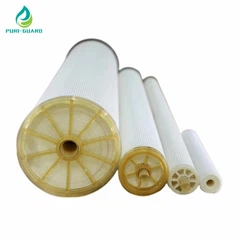
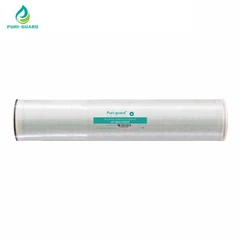
As a water nanofiltration supplier, we offer a range of high - quality nanofiltration membranes suitable for the cosmetic industry. Our Nanofiltration NF 8040 is a large - diameter membrane module that provides high - flow rates and excellent separation performance. It is designed to handle large volumes of water, making it ideal for large - scale cosmetic manufacturing plants.
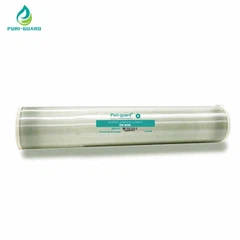
For smaller - scale operations or applications with more limited space, our NF 4040 membrane is a great choice. It offers a compact design without sacrificing filtration efficiency. This membrane can be easily integrated into existing water treatment systems in cosmetic laboratories or small - batch production facilities.
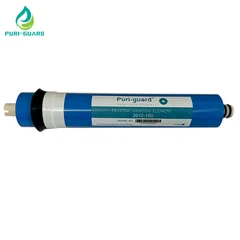
We also provide Residential NF Membrane for smaller - scale cosmetic operations or for use in research and development settings. These membranes are designed to be easy to install and maintain, providing a reliable source of purified water for cosmetic product testing and small - volume production.
Implementation in the Cosmetic Industry
When implementing water nanofiltration in the cosmetic industry, several factors need to be considered. Firstly, the quality of the feed water must be analyzed to determine the appropriate nanofiltration membrane and system configuration. Different water sources may have varying levels of contaminants, and the membrane selection should be based on the specific removal requirements.
Secondly, the operating conditions of the nanofiltration system, such as pressure, temperature, and flow rate, need to be optimized. These parameters can affect the performance and lifespan of the membranes. For example, operating at too high a pressure can cause membrane fouling and reduce its efficiency, while operating at too low a pressure may result in insufficient separation.
Regular maintenance of the nanofiltration system is also crucial. This includes membrane cleaning, replacement of pre - filters, and monitoring of system performance. By following a proper maintenance schedule, the longevity and reliability of the nanofiltration system can be ensured.
Case Studies
There are several examples of successful implementation of water nanofiltration in the cosmetic industry. A well - known cosmetic brand was facing issues with the quality of its facial creams due to the presence of impurities in the water used. After installing a nanofiltration system, the company noticed a significant improvement in the stability and texture of its products. The removal of heavy metals and organic compounds also reduced the incidence of skin irritation reported by consumers.
Another cosmetic manufacturer was struggling with the high cost of water treatment using reverse osmosis. By switching to nanofiltration, the company was able to reduce its energy consumption by 30% and lower its overall water treatment costs. At the same time, the quality of the water used in its products remained high, meeting all the necessary safety and quality standards.
Conclusion
Water nanofiltration offers a viable and effective solution for water treatment in the cosmetic industry. Its ability to remove impurities, soften water, control microorganisms, and provide cost - effective operation makes it an attractive option for cosmetic manufacturers. As a water nanofiltration supplier, we are committed to providing high - quality membranes and systems that meet the specific needs of the cosmetic industry.


If you are a cosmetic manufacturer interested in improving the quality of your water and the performance of your products, we invite you to contact us for a consultation. Our team of experts can help you select the most suitable nanofiltration solution for your production process and guide you through the implementation and maintenance of the system.
References
- Cheryan, M. (1998). Ultrafiltration and Microfiltration Handbook. Technomic Publishing Company.
- Baker, R. W. (2004). Membrane Technology and Applications. John Wiley & Sons.
- American Water Works Association. (2012). Water Quality and Treatment: A Handbook of Community Water Supplies. McGraw - Hill.