
Hey there! I'm an industrial RO membrane supplier, and I often get asked this question: Can industrial RO membranes be recycled? It's a topic that's not only relevant but also crucial for our environment and the long - term sustainability of the water treatment industry. So, let's dive right in!
What are Industrial RO Membranes?
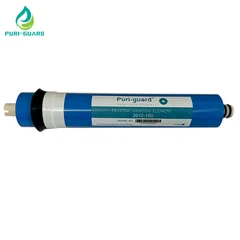
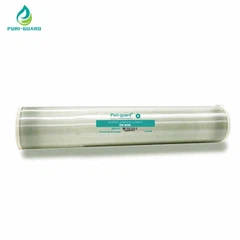
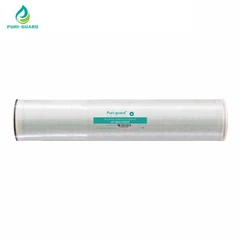
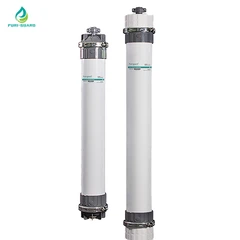
First off, for those who aren't super familiar, industrial RO (Reverse Osmosis) membranes are the heart of many water treatment systems. They're used to remove impurities, salts, and other contaminants from water. We offer a range of high - quality membranes like the XLE 440 Membrane, TW 8040 RO Membrane, and ULP 8040 Membrane. These membranes are designed to work in tough industrial environments, handling large volumes of water and providing efficient filtration.
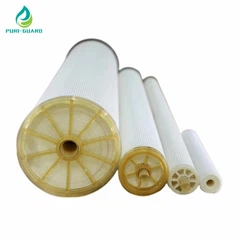
RO membranes typically consist of a thin - film composite structure. There's a polymer layer that does the actual filtering, and it's supported by other layers to keep the membrane stable. They're incredibly precise, able to block particles as small as ions in some cases. But over time, these membranes can get fouled with all the stuff they're trying to get rid of. That's when we start thinking about what to do with them.
Challenges in Recycling Industrial RO Membranes
Recycling industrial RO membranes isn't a walk in the park. One of the biggest problems is the complex structure of these membranes. As I mentioned, they're made up of multiple layers, and each layer might be made from different materials. For example, the polymer layer could be a type of polyamide, while the support layer could be a polyester or other polymer. That means separating these materials is really difficult.
Another issue is the fouling and contamination. Membranes can get covered with all sorts of things like bacteria, minerals, and chemicals. These contaminants need to be removed before the membrane can be recycled. And getting rid of them without damaging the membrane itself is a real challenge. Sometimes, the chemicals used for cleaning can be just as harmful to the environment as the waste membranes, so we have to be extra careful.
The technology and infrastructure for recycling industrial RO membranes are also limited. There aren't a whole lot of facilities that are set up to handle these specialized items. And the cost of building and operating such facilities is pretty high. So, from a business perspective, it can be hard to justify investing in these recycling operations.
Current Recycling Efforts
Despite the challenges, there are some efforts underway to recycle industrial RO membranes. Some research groups are looking into new methods to break down the membranes and separate the different materials. For example, they're exploring the use of enzymes or mild chemical processes that can break down the polymers without causing too much damage to the environment.
There are also a few companies out there that are starting to offer recycling services for RO membranes. They're working on developing more efficient ways to clean and reuse the membrane materials. Some of these recycled materials can be used to make new membranes or other plastic products. It's a small start, but it shows that there's potential in this area.
The Benefits of Recycling
Recycling industrial RO membranes has a lot of upsides. Environmentally, it's a no - brainer. By recycling, we can reduce the amount of waste that ends up in landfills. These membranes are made from plastics, and plastics can take hundreds of years to break down. So, keeping them out of landfills helps to protect our environment.
From an economic perspective, recycling can also be beneficial. If we can find ways to reuse the materials from used membranes, it can reduce the cost of producing new membranes. This could lead to more affordable water treatment solutions for industries, which is a win - win for everyone.
Recycling also helps to conserve resources. The materials used to make RO membranes, like certain polymers, are made from finite resources. By recycling, we can make the most of these resources and ensure that we have enough for future generations.
Future Outlook
The future of recycling industrial RO membranes looks both promising and challenging. On one hand, as more research is done and technology improves, we're likely to see more efficient recycling methods. There's also a growing awareness of the environmental impact of waste, which is putting pressure on industries to find more sustainable solutions.
On the other hand, we still have a long way to go. The challenges I mentioned earlier, like the complex structure of the membranes and the lack of infrastructure, aren't going to disappear overnight. But I'm confident that with the right investment and collaboration between research institutions, businesses, and governments, we can make significant progress in this area.
Conclusion
So, to answer the question, yes, industrial RO membranes can be recycled, but it's not easy. There are plenty of challenges to overcome, but the potential benefits in terms of environmental protection, cost savings, and resource conservation are huge.

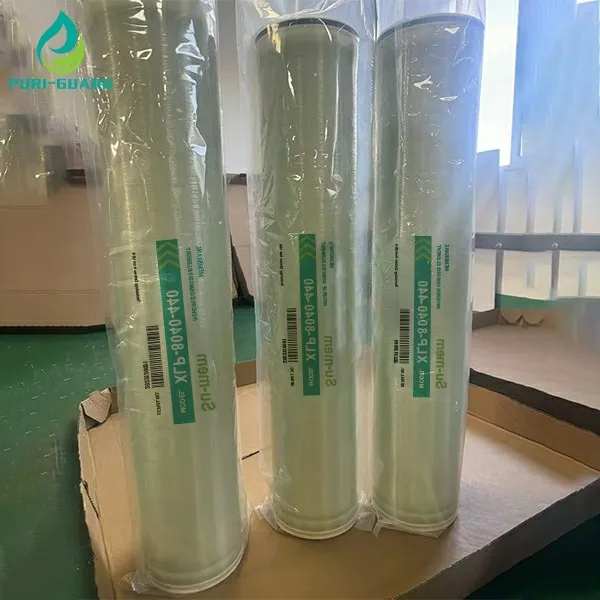
If you're in the market for high - quality industrial RO membranes, we're here to serve you. Whether you need the XLE 440 Membrane, TW 8040 RO Membrane, or ULP 8040 Membrane, we've got you covered. And as we work towards a more sustainable future, we're also keeping an eye on the latest developments in membrane recycling. If you have any questions or want to discuss your specific needs, don't hesitate to reach out and start a conversation about your procurement.
References
- Elimelech, M., & Phillip, W. A. (2011). The future of seawater desalination: energy, technology, and the environment. Science, 333(6043), 712 - 717.
- Nghiem, L. D., Schäfer, A. I., Elimelech, M., & Drewes, J. E. (2012). A review of the application of nanofiltration and reverse osmosis membrane processes for industrial wastewater treatment. Journal of Environmental Management, 95, S105 - S119.