
Endocrine disruptors (EDs) are a group of chemical substances that can interfere with the endocrine system in humans and animals, causing a wide range of health problems such as reproductive issues, developmental disorders, and hormonal imbalances. When using NF (Nanofiltration) and RO (Reverse Osmosis) membranes, it is crucial to remove these endocrine disruptors to ensure the quality and safety of the treated water. As a leading NF RO Membrane supplier, we understand the importance of this process and are here to share some effective strategies on how to achieve it.
Understanding Endocrine Disruptors in Water Sources
Before delving into the removal methods, it is essential to understand the sources and types of endocrine disruptors commonly found in water. These can include pesticides, pharmaceuticals, personal care products, industrial chemicals, and heavy metals. They enter water sources through various pathways, such as agricultural runoff, sewage discharge, and industrial waste disposal.
The presence of endocrine disruptors in water can pose a significant challenge to the performance and lifespan of NF and RO membranes. These substances can foul the membranes, reducing their permeability and rejection efficiency. Moreover, if not removed effectively, they can pass through the membranes and contaminate the treated water, which is not acceptable for applications such as drinking water production and industrial processes.
Pre - treatment Strategies for Endocrine Disruptor Removal
Coagulation and Flocculation
Coagulation and flocculation are traditional water treatment processes that can be effective in removing endocrine disruptors. Coagulants, such as aluminum sulfate or ferric chloride, are added to the water to neutralize the charge on the suspended particles and endocrine disruptors, causing them to aggregate into larger flocs. Flocculants are then added to further enhance the formation of these flocs, which can be easily removed by sedimentation or filtration.
This pre - treatment step can significantly reduce the concentration of large - and medium - sized endocrine disruptors in the water, protecting the NF and RO membranes from fouling. However, it may not be sufficient to remove all types of endocrine disruptors, especially those that are highly soluble or in a colloidal form.
Activated Carbon Filtration
Activated carbon is a well - known adsorbent that can effectively remove a wide range of organic contaminants, including many endocrine disruptors. The high surface area and porous structure of activated carbon provide numerous adsorption sites for these substances.
There are two main types of activated carbon used in water treatment: granular activated carbon (GAC) and powdered activated carbon (PAC). GAC is typically used in fixed - bed filters, where the water passes through a bed of activated carbon. PAC, on the other hand, is added directly to the water and then removed by sedimentation or filtration.
Activated carbon filtration can be an excellent pre - treatment option for NF and RO membranes. It can remove endocrine disruptors such as pesticides, pharmaceuticals, and volatile organic compounds (VOCs), improving the water quality before it enters the membranes. However, the adsorption capacity of activated carbon is limited, and it needs to be replaced or regenerated regularly to maintain its effectiveness.
Biological Treatment
Biological treatment processes, such as activated sludge systems and biofilters, can also be used to remove endocrine disruptors from water. Microorganisms in these systems can degrade many types of organic contaminants, including some endocrine disruptors, through metabolic processes.
For example, in an activated sludge system, the wastewater is mixed with a culture of microorganisms in an aeration tank. The microorganisms consume the organic matter in the water, including endocrine disruptors, using oxygen as an electron acceptor. The treated water can then be separated from the sludge by sedimentation.
Biological treatment can be a cost - effective and environmentally friendly option for removing endocrine disruptors. However, it may not be suitable for all types of EDs, as some substances are very resistant to biodegradation.
NF and RO Membrane Selection
Choosing the right NF and RO membranes is crucial for effective endocrine disruptor removal. Different membranes have different rejection characteristics, and it is important to select membranes that have a high rejection rate for the specific endocrine disruptors present in the water.
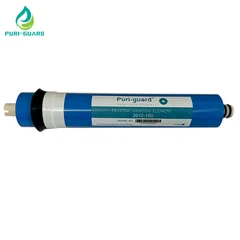
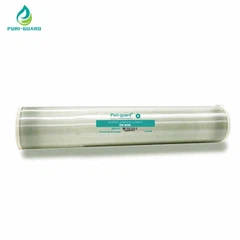
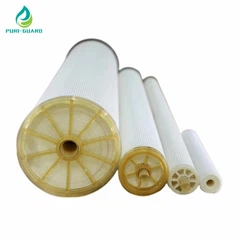
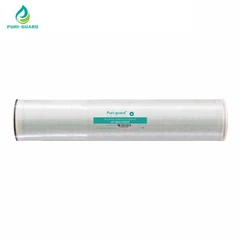
Our company offers a variety of NF and RO membranes, including the NF 60 Membrane and NF 4040, which are designed to provide high rejection rates for a wide range of contaminants, including endocrine disruptors. The Water Nanofiltration technology we adopt also ensures optimal performance in removing these harmful substances from water.
When selecting membranes, factors such as pore size, surface charge, and chemical stability should be considered. For example, NF membranes with a small pore size can effectively reject larger endocrine disruptors, while RO membranes can provide even higher rejection rates for both organic and inorganic contaminants.
Operation and Maintenance of NF RO Systems
Proper operation and maintenance of NF and RO systems are essential for ensuring long - term endocrine disruptor removal efficiency. Here are some key points to consider:
Monitoring and Control
Regular monitoring of the water quality at the inlet and outlet of the NF and RO systems is necessary to ensure that the membranes are functioning properly and that the endocrine disruptors are being removed effectively. Parameters such as conductivity, turbidity, pH, and the concentration of specific contaminants should be monitored.
Based on the monitoring results, the operating conditions of the system, such as pressure, flow rate, and chemical dosing, can be adjusted to optimize the performance of the membranes.


Cleaning and Sanitization
Over time, the NF and RO membranes can become fouled with endocrine disruptors and other contaminants. Regular cleaning and sanitization of the membranes are necessary to restore their performance.
Chemical cleaning agents, such as acids, alkalis, and detergents, can be used to remove different types of foulants. However, it is important to choose the appropriate cleaning agents and follow the manufacturer's instructions to avoid damaging the membranes.
Conclusion
Removing endocrine disruptors before using an NF RO membrane is a multi - step process that requires a comprehensive approach. By implementing effective pre - treatment strategies, selecting the right membranes, and ensuring proper operation and maintenance of the NF RO systems, we can effectively remove these harmful substances from water and ensure the quality and safety of the treated water.
As a trusted NF RO Membrane supplier, we are committed to providing high - quality membranes and technical support to help our customers achieve optimal endocrine disruptor removal. If you are interested in learning more about our products or have any questions regarding water treatment and endocrine disruptor removal, please feel free to contact us for a procurement discussion. We look forward to working with you to meet your water treatment needs.
References
- Crittenden, J. C., Trussell, R. R., Hand, D. W., Howe, K. J., & Tchobanoglous, G. (2012). MWH's Water Treatment: Principles and Design. John Wiley & Sons.
- Nghiem, L. D., Schäfer, A. I., Elimelech, M., & Waite, T. D. (2006). Removal of endocrine - disruptor chemicals by nanofiltration and reverse osmosis membranes. Environmental Science & Technology, 40(12), 3693 - 3699.
- Schwarzenbach, R. P., Escher, B. I., Fenner, K., Hofstetter, T. B., Johnson, C. A., von Gunten, U., & Wehrli, B. (2006). Global water pollution and human health. Annual Review of Environment and Resources, 31(1), 147 - 171.