
In the realm of water purification, the choice of a reliable and long - lasting reverse osmosis (RO) membrane is crucial for both commercial and industrial applications. As a supplier of RO 2521 membranes, I am often asked the question: "Can RO 2521 be used for long - term?" In this blog, I will delve into the characteristics, performance, and factors that determine the long - term usability of RO 2521 membranes.
Understanding RO 2521 Membranes
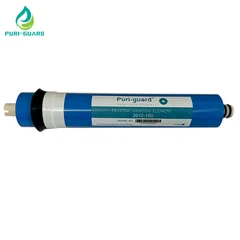
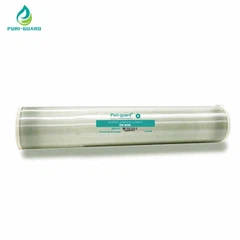
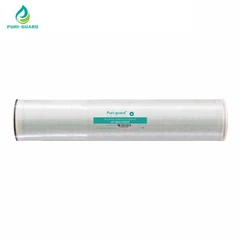
RO 2521 membranes are a type of reverse osmosis membrane commonly used in small - to medium - scale water purification systems. The "2521" in the name typically refers to the membrane's dimensions, with a diameter of 2.5 inches and a length of 21 inches. These membranes are designed to remove a wide range of contaminants from water, including salts, heavy metals, bacteria, and viruses, by using a semi - permeable membrane that allows water molecules to pass through while blocking the passage of impurities.
One of the key features of RO 2521 membranes is their high rejection rate. They can reject up to 99% of dissolved salts and other contaminants, ensuring that the purified water meets high - quality standards. This high rejection rate is essential for applications where the purity of water is critical, such as in the pharmaceutical, food and beverage, and electronics industries.
Factors Affecting Long - Term Use
Several factors can influence the long - term usability of RO 2521 membranes. These include water quality, operating conditions, and maintenance practices.
Water Quality
The quality of the feed water is one of the most important factors affecting the lifespan of RO 2521 membranes. Water with high levels of suspended solids, organic matter, or hardness can cause fouling and scaling on the membrane surface, reducing its performance and lifespan. For example, if the feed water contains a large amount of calcium carbonate, it can form scale on the membrane, which can block the pores and reduce the water flux.
To mitigate the effects of poor water quality, pre - treatment is often required. This can include processes such as sediment filtration, activated carbon filtration, and water softening. By removing the majority of the contaminants before the water reaches the RO membrane, the risk of fouling and scaling can be significantly reduced, extending the membrane's lifespan.
Operating Conditions
The operating conditions of the RO system also play a crucial role in the long - term performance of RO 2521 membranes. Factors such as pressure, temperature, and flow rate can all affect the membrane's performance and durability.
Operating the RO system at high pressures can increase the water flux but can also put additional stress on the membrane, potentially leading to membrane damage over time. Similarly, high temperatures can accelerate the degradation of the membrane material, reducing its lifespan. It is important to operate the RO system within the recommended pressure and temperature ranges specified by the membrane manufacturer to ensure optimal performance and longevity.


The flow rate of the feed water and the concentrate also needs to be carefully controlled. A low flow rate can cause the accumulation of contaminants on the membrane surface, while a high flow rate can cause excessive shear stress on the membrane, leading to mechanical damage.
Maintenance Practices
Regular maintenance is essential for the long - term use of RO 2521 membranes. This includes membrane cleaning, replacement of pre - filters, and monitoring of system performance.
Membrane cleaning is typically carried out using chemical cleaning agents to remove fouling and scaling from the membrane surface. The frequency of cleaning depends on the water quality and operating conditions but is usually recommended every few months. It is important to use the correct cleaning agents and follow the manufacturer's instructions to avoid damaging the membrane.
Replacing the pre - filters on a regular basis is also crucial. Pre - filters are designed to remove the larger contaminants from the feed water, protecting the RO membrane from fouling. If the pre - filters are not replaced in a timely manner, they can become clogged, reducing the water flow and increasing the risk of fouling on the RO membrane.
Monitoring the system performance is another important aspect of maintenance. This includes measuring the water flux, rejection rate, and pressure drop across the membrane. By regularly monitoring these parameters, any changes in the membrane's performance can be detected early, allowing for timely corrective actions to be taken.
Comparing with Other Membranes
To better understand the long - term usability of RO 2521 membranes, it is useful to compare them with other similar membranes, such as BW30 2540 and BW2521.
The BW30 2540 membrane is a larger - sized membrane with a diameter of 2.5 inches and a length of 40 inches. It offers a higher water flux and a similar rejection rate compared to RO 2521 membranes. However, due to its larger size, it may require a more powerful pump and a larger RO system. The BW2521 membrane is also a 2.5 - inch by 21 - inch membrane, but it may have different performance characteristics depending on the specific design and materials used.
In general, RO 2521 membranes are a good choice for small - to medium - scale applications where space is limited and a high - rejection rate is required. They can provide reliable long - term performance if the water quality, operating conditions, and maintenance practices are properly managed.
Case Studies
To illustrate the long - term usability of RO 2521 membranes, let's look at a few case studies.
In a small - scale pharmaceutical production facility, an RO system equipped with RO 2521 membranes was installed to purify the water used in the manufacturing process. The feed water had a moderate level of hardness and some suspended solids. By implementing a pre - treatment system that included sediment filtration and water softening, and by following a regular maintenance schedule, the RO 2521 membranes were able to operate for over three years without significant performance degradation. The water quality produced by the RO system met the strict requirements of the pharmaceutical industry, demonstrating the long - term reliability of the RO 2521 membranes.
In another case, a food and beverage company used an RO system with RO 2521 membranes to purify the water used in their production process. The feed water had a high level of organic matter. After installing an activated carbon filter as part of the pre - treatment system and increasing the frequency of membrane cleaning, the RO 2521 membranes were able to maintain their performance for more than two years, providing high - quality water for the production of their products.
Conclusion
In conclusion, RO 2521 membranes can be used for long - term if the appropriate measures are taken to address the factors that affect their performance and lifespan. By ensuring good water quality through pre - treatment, operating the RO system within the recommended conditions, and following a regular maintenance schedule, RO 2521 membranes can provide reliable and cost - effective water purification solutions for a wide range of applications.
If you are considering using RO 2521 membranes for your water purification needs, or if you have any questions about their long - term use, please feel free to contact us. We are a professional supplier of RO 2521 membranes and can provide you with the necessary technical support and guidance to ensure the optimal performance of your RO system.
References
- "Reverse Osmosis Membrane Technology: Principles and Applications" by Peter M. Budd and Michael J. Robeson.
- Manufacturer's technical documentation for RO 2521 membranes.
- Case studies from various industries using RO 2521 membranes.