
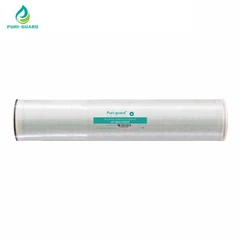
RO 2521 is a specific type of reverse osmosis (RO) membrane element, which has been a topic of interest in various industries. As a supplier of RO 2521, I often receive inquiries about its applicability in the marine industry. In this blog, I will delve into the technical aspects, advantages, and potential limitations of using RO 2521 in the marine environment.
Technical Specifications of RO 2521
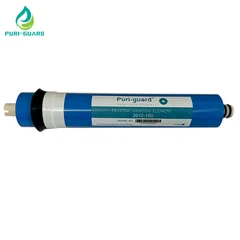
RO 2521 belongs to the category of commercial RO membranes. It has a diameter of 2.5 inches and a length of 21 inches. These dimensions make it a relatively compact and flexible option for different water treatment systems. The membrane is designed to remove a wide range of contaminants, including salts, bacteria, viruses, and organic compounds, through the process of reverse osmosis.
The working principle of RO 2521 is based on the semi - permeable nature of the membrane. When pressure is applied to the feed water, water molecules are forced through the membrane, while contaminants are retained on the other side. This results in the production of high - quality permeate water.
Advantages of Using RO 2521 in the Marine Industry
1. Space Efficiency
Space is a precious commodity on ships and other marine vessels. The compact size of RO 2521 makes it an ideal choice for marine applications where installation space is limited. It can be easily integrated into existing water treatment systems or installed in new vessels without requiring a large footprint.
2. High Salt Rejection
Seawater has a high salt content, typically around 3.5%. RO 2521 is capable of achieving high salt rejection rates, often exceeding 99%. This means that it can effectively desalinate seawater, producing fresh water that meets the quality requirements for various uses on board, such as drinking water, cooking, and laundry.
3. Energy Efficiency
In recent years, energy efficiency has become a major concern in the marine industry. RO 2521 is designed to operate at relatively low pressures compared to some other RO membranes. This reduces the energy consumption of the desalination process, resulting in lower operating costs and a smaller environmental footprint.
4. Compatibility with Other Membranes
RO 2521 can be used in combination with other RO membranes, such as TW30 2540 and BW30 2540, to form a multi - stage RO system. This allows for greater flexibility in system design and can improve the overall performance and efficiency of the water treatment process.
Potential Limitations of Using RO 2521 in the Marine Industry
1. Fouling and Scaling
The marine environment is rich in various contaminants, including suspended solids, organic matter, and dissolved salts. These contaminants can cause fouling and scaling on the surface of the RO membrane, reducing its performance and lifespan. Regular cleaning and maintenance are required to prevent fouling and scaling, which can increase the operating costs of the system.
2. Sensitivity to Feed Water Quality
RO 2521 is sensitive to the quality of the feed water. If the feed water contains high levels of certain contaminants, such as iron, manganese, or chlorine, it can damage the membrane and reduce its performance. Therefore, proper pre - treatment of the feed water is essential to ensure the long - term operation of the RO system.
3. Limited Flow Rate
Due to its relatively small size, RO 2521 has a limited flow rate compared to larger RO membranes. For large - scale marine desalination applications, multiple RO 2521 elements may need to be used in parallel to meet the water demand. This can increase the complexity and cost of the system.
Case Studies of RO 2521 in the Marine Industry
There have been several successful applications of RO 2521 in the marine industry. For example, on a medium - sized cruise ship, a RO system using RO 2521 membranes was installed to provide fresh water for passengers and crew. The system was able to produce sufficient high - quality fresh water, even during long - distance voyages. The compact size of the RO 2521 elements allowed for easy installation in the limited space available on the ship, and the high salt rejection rate ensured that the produced water met the strict drinking water standards.


Another case is a research vessel that required a reliable water treatment system for its scientific operations. The RO system with RO 2521 membranes was chosen for its energy efficiency and compatibility with the vessel's power supply. The system was able to operate continuously, providing a stable supply of fresh water for laboratory use and other on - board activities.
Comparison with Other RO Membranes
When considering RO membranes for marine applications, it is important to compare RO 2521 with other available options. For example, TW30 2521 is another popular commercial RO membrane. While TW30 2521 has similar dimensions to RO 2521, it may have different performance characteristics in terms of salt rejection, flow rate, and fouling resistance.
BW30 2540, on the other hand, is a larger RO membrane with a higher flow rate. However, its larger size may not be suitable for all marine applications where space is limited. Therefore, the choice of RO membrane depends on the specific requirements of the marine vessel, such as water demand, available space, and budget.
Conclusion and Call to Action
In conclusion, RO 2521 has significant potential for use in the marine industry. Its space efficiency, high salt rejection, energy efficiency, and compatibility with other membranes make it a viable option for various marine water treatment applications. However, it is important to be aware of its potential limitations, such as fouling, sensitivity to feed water quality, and limited flow rate.
If you are interested in using RO 2521 for your marine water treatment needs, I encourage you to contact me for more information. We can discuss your specific requirements and provide you with a customized solution. Whether you are a shipowner, operator, or marine equipment manufacturer, we are committed to providing you with high - quality RO 2521 membranes and excellent technical support.
References
- "Reverse Osmosis Membrane Technology" by Wilfred F. M. Kooijman.
- "Desalination for Sustainable Development" by the International Desalination Association.
- Technical documents provided by membrane manufacturers.