
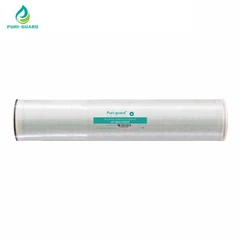
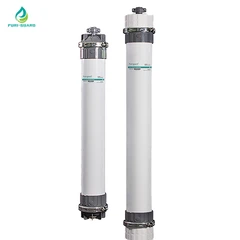
As a supplier of Reverse Osmosis Nanofiltration (RO/NF) systems, I've witnessed firsthand the growing interest in the application of this technology within the food and beverage industry. In this blog post, I'll explore the potential uses of RO/NF in this sector, highlighting its benefits, challenges, and real - world applications.
Understanding Reverse Osmosis and Nanofiltration
Reverse osmosis (RO) and nanofiltration (NF) are membrane - based separation processes. RO is a high - pressure filtration method that can remove almost all dissolved solids, including salts, sugars, and organic molecules, from a liquid. It operates by applying pressure to the feed solution, forcing water molecules through a semi - permeable membrane while retaining contaminants.
Nanofiltration, on the other hand, is a less - restrictive process compared to RO. NF membranes have larger pores than RO membranes, allowing some monovalent ions and small organic molecules to pass through while rejecting divalent ions and larger molecules. This selective separation characteristic makes NF suitable for specific applications where partial removal of solutes is desired.
Benefits of RO/NF in the Food and Beverage Industry
Concentration and Purification
One of the primary advantages of RO/NF in the food and beverage industry is its ability to concentrate and purify products. For example, in the fruit juice industry, RO/NF can be used to remove water from the juice, increasing its sugar content and flavor concentration. This process is more energy - efficient than traditional evaporation methods, as it operates at lower temperatures, preserving the natural flavor, aroma, and nutritional value of the juice.
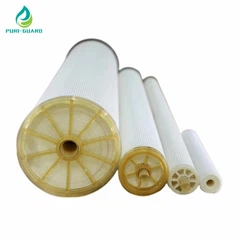
The NF 60 Membrane is particularly well - suited for juice concentration. It can effectively retain sugars and flavor compounds while allowing water to pass through, resulting in a high - quality concentrated juice product.
Water Treatment
Water is a crucial ingredient in the food and beverage industry. RO/NF systems can be used to treat water, removing contaminants such as bacteria, viruses, heavy metals, and dissolved solids. This ensures that the water used in production meets the strict quality standards required for food and beverage safety.
For breweries, RO/NF - treated water can be used to control the mineral content of the brewing water, which has a significant impact on the taste and quality of the beer. By adjusting the mineral composition, brewers can achieve consistent flavor profiles across different batches of beer.
Wastewater Treatment and Recycling
RO/NF technology can also play a vital role in wastewater treatment and recycling within the food and beverage industry. By treating the wastewater generated during production, companies can recover valuable resources such as water, salts, and organic compounds. This not only reduces the environmental impact of the industry but also helps to cut down on production costs.
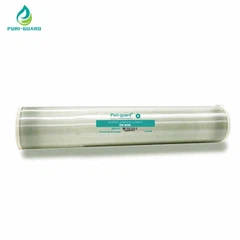
The Nanofiltration NF 8040 is often used in wastewater treatment applications. Its high - flux design and excellent rejection properties make it effective in separating contaminants from the wastewater, allowing for the reuse of treated water in non - critical processes.
Product Standardization
In the food and beverage industry, maintaining consistent product quality is essential. RO/NF can be used to standardize the composition of products by removing excess salts, sugars, or other components. For example, in the dairy industry, NF can be used to adjust the protein and mineral content of milk, ensuring that the final dairy products meet the desired specifications.
Challenges of Using RO/NF in the Food and Beverage Industry
Membrane Fouling
One of the main challenges of RO/NF in the food and beverage industry is membrane fouling. Fouling occurs when particles, colloids, or organic matter accumulate on the membrane surface, reducing its permeability and separation efficiency. This can lead to increased operating costs due to frequent membrane cleaning and replacement.
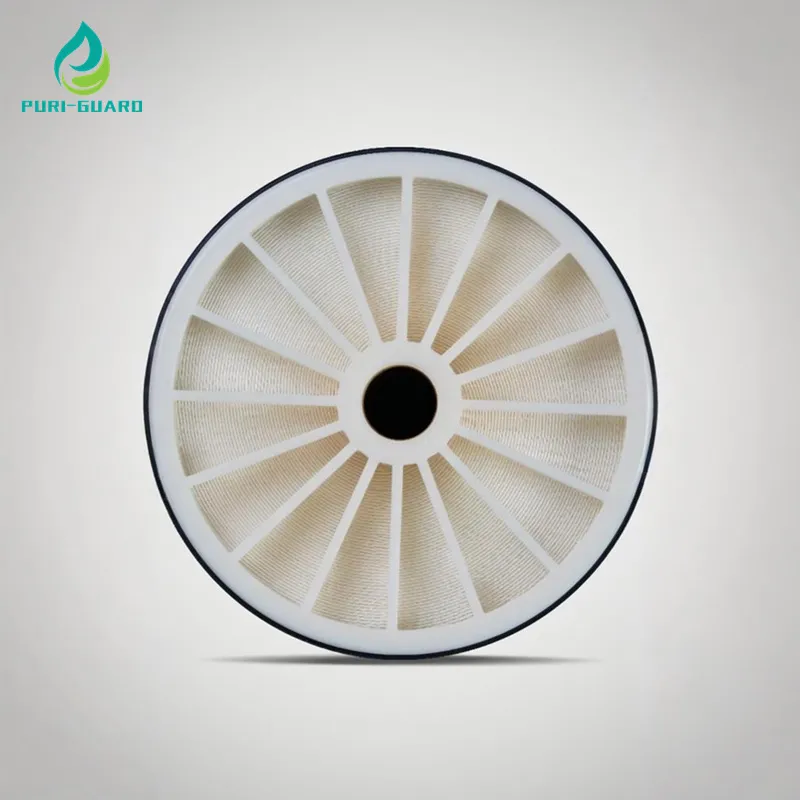

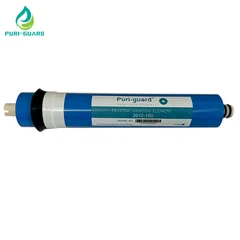
To mitigate fouling, proper pre - treatment of the feed solution is essential. This may include filtration, sedimentation, and chemical treatment to remove large particles and potential foulants. Additionally, the selection of appropriate membranes and operating conditions can also help to minimize fouling. The NF 40 Membrane is designed with anti - fouling properties, which can extend the membrane's lifespan and reduce maintenance requirements.
High Initial Investment
Another challenge is the high initial investment required for RO/NF systems. The cost of purchasing and installing the equipment, as well as the cost of membrane replacement and maintenance, can be significant. However, it's important to consider the long - term benefits of RO/NF, such as energy savings, product quality improvement, and resource recovery, which can offset the initial investment over time.
Regulatory Compliance
The food and beverage industry is subject to strict regulatory requirements. When using RO/NF systems, companies need to ensure that the membranes and chemicals used in the process are approved for food contact. Additionally, the treated products must meet the relevant safety and quality standards.
Real - World Applications
Dairy Industry
In the dairy industry, RO/NF is used for various applications, including milk concentration, whey protein isolation, and lactose removal. NF can selectively separate lactose from whey, producing a lactose - reduced whey product that can be used in a variety of food applications. RO can be used to concentrate milk, reducing its volume and increasing its shelf life.
Wine Industry
RO/NF technology is also finding applications in the wine industry. It can be used to adjust the alcohol content of wine, remove excess acids, and clarify the wine. By using RO/NF, winemakers can have more control over the final quality and flavor of the wine.
Soft Drink Industry
In the soft drink industry, RO/NF is used for water treatment and product standardization. The technology can remove impurities from the water used in soft drink production, ensuring a clean and consistent taste. It can also be used to adjust the sugar and acid content of the drinks, meeting consumer preferences.
Conclusion
In conclusion, reverse osmosis nanofiltration has significant potential in the food and beverage industry. Its ability to concentrate, purify, and standardize products, as well as its applications in water treatment and wastewater recycling, make it a valuable technology for the industry. However, companies need to address the challenges of membrane fouling, high initial investment, and regulatory compliance when implementing RO/NF systems.
If you're interested in exploring the use of RO/NF technology in your food and beverage production, I encourage you to reach out for a detailed discussion. Our team of experts can help you select the most suitable membranes and systems for your specific needs, ensuring optimal performance and cost - effectiveness.
References
- Cheryan, M. (1998). Ultrafiltration and Microfiltration Handbook. Technomic Publishing.
- Baker, R. W. (2012). Membrane Technology and Applications. Wiley.
- American Dairy Science Association. (2019). Dairy Processing Handbook.