
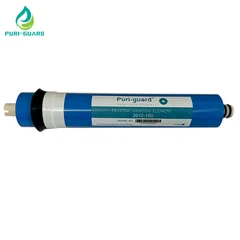
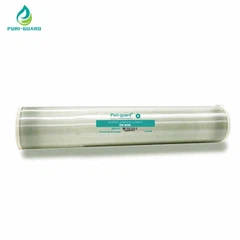
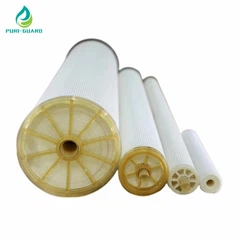
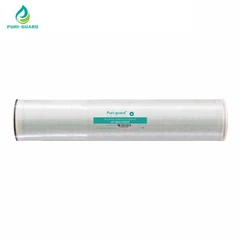
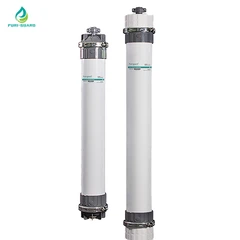
Hey there! As a supplier of Water Nanofiltration, I've been getting a lot of questions lately about whether water nanofiltration can be used for greenhouse irrigation water treatment. So, I thought I'd take a deep dive into this topic and share my thoughts and insights.
First off, let's talk a bit about what water nanofiltration is. Nanofiltration is a type of membrane filtration process that sits between ultrafiltration and reverse osmosis on the filtration spectrum. It uses a semi - permeable membrane with pores that are typically in the range of 1 - 10 nanometers. This allows it to remove a wide range of contaminants, including multivalent ions, organic compounds, and some pathogens from water. You can learn more about it on our Water Nanofiltration page.
Now, let's look at the challenges in greenhouse irrigation water. Greenhouses require high - quality water for optimal plant growth. The water used for irrigation can contain various impurities such as salts, heavy metals, pesticides, and microorganisms. If these impurities are not removed, they can have a negative impact on plant health. For example, high salt concentrations can lead to soil salinization, which can reduce water uptake by plants and cause nutrient imbalances. Heavy metals can be toxic to plants and can also accumulate in the food produced. Microorganisms can cause plant diseases.
So, can water nanofiltration be the solution? Well, it has some pretty great advantages.
1. Selective Removal of Contaminants
One of the biggest perks of nanofiltration is its ability to selectively remove contaminants. Nanofiltration membranes can reject multivalent ions like calcium, magnesium, and sulfate while allowing monovalent ions like sodium and chloride to pass through to some extent. This is important in greenhouse irrigation because plants need some level of salts in the water for proper growth, but excessive amounts of certain salts can be harmful. By selectively removing multivalent ions, nanofiltration can help maintain a balanced salt concentration in the irrigation water.
2. Organic Compound Removal
Many pesticides and other organic contaminants are present in water sources used for greenhouse irrigation. Nanofiltration can effectively remove these organic compounds due to the size - exclusion principle. The small pore size of the nanofiltration membrane prevents these relatively large organic molecules from passing through, ensuring that the water used for irrigation is free from harmful chemicals.
3. Microorganism Removal
Nanofiltration can also remove a significant portion of microorganisms. While it may not be as effective as reverse osmosis in completely sterilizing the water, it can reduce the microbial load to a level that is acceptable for greenhouse use. This helps prevent the spread of plant diseases through the irrigation system.
4. Energy Efficiency
Compared to reverse osmosis, nanofiltration is generally more energy - efficient. Reverse osmosis requires a higher operating pressure to force water through the membrane, which consumes more energy. Nanofiltration operates at lower pressures, which means lower energy costs for greenhouse operators. This is a big plus, especially for large - scale greenhouse operations where energy consumption can be a significant expense. You can find more about the differences between nanofiltration and reverse osmosis on our Reverse Osmosis Nanofiltration page.
5. Cost - Effectiveness
In addition to lower energy costs, nanofiltration systems are often more cost - effective to install and maintain compared to reverse osmosis systems. The membranes are less expensive, and the lower operating pressure means less wear and tear on the equipment. This makes it a more accessible option for greenhouse operators, especially those on a budget.
However, it's not all sunshine and rainbows. There are also some limitations to using water nanofiltration for greenhouse irrigation water treatment.


1. Membrane Fouling
One of the main challenges with nanofiltration is membrane fouling. Fouling occurs when contaminants in the water accumulate on the surface of the membrane, reducing its performance. This can be caused by organic matter, colloids, and microorganisms. To prevent fouling, pre - treatment steps such as sediment filtration and disinfection are often required. Regular cleaning and maintenance of the nanofiltration system are also necessary to ensure its long - term performance.
2. Limited Rejection of Monovalent Ions
As mentioned earlier, nanofiltration membranes have limited rejection of monovalent ions. In some cases, if the water source has a high concentration of monovalent salts (such as sodium chloride), nanofiltration may not be sufficient to reduce the salt concentration to an acceptable level for greenhouse irrigation. In such situations, additional treatment steps may be required.
3. Water Recovery
The water recovery rate of nanofiltration systems is typically lower compared to some other filtration processes. This means that a significant amount of the feed water is wasted as concentrate. In areas where water is scarce, this can be a major drawback. However, there are ways to improve water recovery, such as using advanced membrane designs and operating the system at optimal conditions.
Despite these limitations, I believe that water nanofiltration has a lot of potential for greenhouse irrigation water treatment. It can provide a cost - effective and efficient way to improve the quality of irrigation water, leading to healthier plants and higher yields.
For residential applications, we also offer Residential NF Membrane which can be used for smaller - scale water treatment needs.
If you're a greenhouse operator or involved in the greenhouse industry, I'd highly recommend considering water nanofiltration for your irrigation water treatment. It's a technology that can make a real difference in the quality of your water and the health of your plants.
If you're interested in learning more about our water nanofiltration products or discussing a potential purchase, don't hesitate to reach out. We're here to help you find the best solution for your greenhouse irrigation water treatment needs.
References
- Cheryan, M. (1998). Ultrafiltration and Microfiltration Handbook. Technomic Publishing Company.
- Nghiem, L. D., Schäfer, A. I., & Elimelech, M. (2006). The behavior of natural organic matter in membrane filtration for drinking water treatment. Water Research, 40(2), 360 - 370.
- Rosenberg, T., & Bellona, C. (2010). Nanofiltration for water treatment: A review of membrane materials, transport models, characterization techniques, and applications. Desalination, 258(1 - 3), 1 - 28.