
Can a residential RO membrane system be expanded or upgraded?
As a supplier in the residential RO membrane industry, I often receive inquiries from customers about whether their existing residential RO membrane systems can be expanded or upgraded. This is a crucial question for many homeowners who want to improve the performance and capacity of their water purification systems over time. In this blog post, I will delve into the possibilities, considerations, and steps involved in expanding or upgrading a residential RO membrane system.
Understanding Residential RO Membrane Systems
Before discussing expansion and upgrading, it's essential to understand the basic components of a residential RO membrane system. A typical system consists of a pre - filter, a reverse osmosis membrane, a post - filter, a storage tank, and a faucet. The pre - filter removes large particles and sediment from the incoming water, protecting the RO membrane. The RO membrane is the heart of the system, removing dissolved solids, contaminants, and impurities from the water. The post - filter further polishes the water, improving its taste and quality. The storage tank stores the purified water for later use, and the faucet dispenses the treated water.
Reasons for Expansion or Upgrade
There are several reasons why homeowners might want to expand or upgrade their residential RO membrane systems. Firstly, an increase in household water consumption is a common reason. As the family grows or if there are new water - using appliances such as a dishwasher or a washing machine, the existing system may not be able to meet the demand. Secondly, if the water quality in the area has deteriorated over time, the current system may no longer be sufficient to remove all the contaminants. Upgrading the RO membrane can enhance the system's filtration capabilities. Thirdly, technological advancements in RO membrane technology have led to more efficient and high - performing membranes. Upgrading to a newer model can improve the overall efficiency and reduce water waste.
Expansion Possibilities
Increasing the Capacity
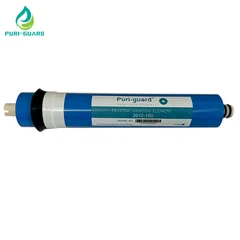
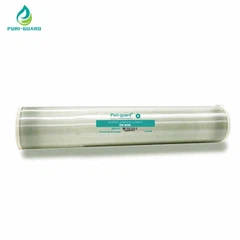
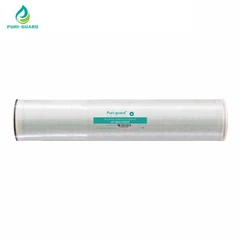
One of the most straightforward ways to expand a residential RO membrane system is to increase its capacity. This can be achieved by replacing the existing RO membrane with a higher - flow one. For example, if you currently have a RO 1812 75 membrane, which has a relatively low flow rate, you can upgrade to a 100 GPD RO or even a 600 GPD RO Membrane. A higher - flow membrane can produce more purified water per day, meeting the increased demand.
However, when increasing the capacity, it's important to consider the system's other components. The pre - filter and post - filter may need to be upgraded to handle the increased water flow. Additionally, the storage tank may need to be larger to store the additional purified water. If the system has a pump, it may also need to be checked to ensure it can provide sufficient pressure for the new membrane.
Adding a Second Membrane
Another option for expansion is to add a second RO membrane to the system. This can be done by installing a parallel membrane configuration. In a parallel setup, the incoming water is split between the two membranes, and the purified water from both membranes is combined. This effectively doubles the system's production capacity.
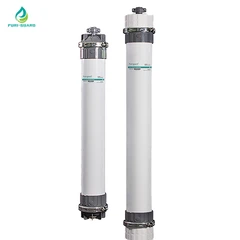
Adding a second membrane requires more complex plumbing and may require additional pre - filters and post - filters. It's also important to ensure that the system's pump can provide enough pressure to operate both membranes efficiently. Professional installation is highly recommended when adding a second membrane to ensure proper functionality and avoid any potential issues.


Upgrade Considerations
Membrane Technology
When upgrading a residential RO membrane system, the choice of membrane technology is crucial. Newer membranes often have better rejection rates, meaning they can remove a higher percentage of contaminants from the water. They may also be more resistant to fouling and scaling, which can extend the membrane's lifespan and reduce maintenance requirements.
Some advanced membranes use thin - film composite (TFC) technology, which offers superior performance compared to older cellulose acetate membranes. TFC membranes can operate at lower pressures, reducing energy consumption, and are more effective at removing a wide range of contaminants, including heavy metals, pesticides, and microorganisms.
System Efficiency
Upgrading the RO membrane system can also improve its overall efficiency. Newer systems are designed to reduce water waste by using advanced flow control valves and recovery rates. A higher recovery rate means that more of the incoming water is converted into purified water, rather than being wasted as reject water.
For example, some modern RO membrane systems can achieve recovery rates of up to 50% or more, compared to older systems that may have recovery rates of only 15 - 20%. This not only saves water but also reduces the cost of water consumption over time.
Steps for Expansion or Upgrade
Assessment
The first step in expanding or upgrading a residential RO membrane system is to conduct a thorough assessment of the existing system. This includes checking the condition of the components, the water quality in the area, and the current water consumption. A water test can help determine the specific contaminants present in the water and the appropriate membrane and filtration requirements.
Planning
Based on the assessment, a detailed plan should be developed. This includes choosing the appropriate membrane and other components, determining the installation requirements, and estimating the cost. It's important to consider the compatibility of the new components with the existing system and ensure that all necessary permits and approvals are obtained if required.
Installation
Once the plan is finalized, the installation process can begin. If you are replacing the RO membrane, it's important to follow the manufacturer's instructions carefully. This may involve shutting off the water supply, draining the system, removing the old membrane, and installing the new one. If you are adding a second membrane or making more significant changes to the system, professional installation is recommended to ensure proper functionality and safety.
Testing and Maintenance
After installation, the system should be thoroughly tested to ensure it is operating correctly. This includes checking the water quality, the flow rate, and the pressure. Regular maintenance is also essential to keep the system in good working condition. This may include replacing the pre - filters and post - filters at regular intervals, cleaning the membrane if necessary, and monitoring the system's performance over time.
Conclusion
In conclusion, a residential RO membrane system can indeed be expanded or upgraded to meet the changing needs of homeowners. Whether it's increasing the capacity, improving the filtration capabilities, or enhancing the system's efficiency, there are various options available. However, it's important to carefully consider the specific requirements of the system and the water quality in the area before making any changes.
If you are considering expanding or upgrading your residential RO membrane system, I encourage you to contact us for more information and professional advice. Our team of experts can help you choose the right components and ensure a smooth installation process. We are committed to providing high - quality residential RO membrane products and excellent customer service. Let's work together to improve your water purification system and ensure you have access to clean, safe drinking water.
References
- "Reverse Osmosis Water Treatment: Principles and Applications" by Andrew E. Fane and Tien Vo.
- Manufacturer's manuals and technical documents for residential RO membrane systems.
- Industry reports on advancements in RO membrane technology.