
Hey there! As a supplier of water nanofiltration systems, I often get asked if water nanofiltration can be used for hotel water treatment. Well, let's dive right into it and explore the ins and outs of this topic.
First off, what exactly is water nanofiltration? Nanofiltration is a type of membrane filtration process that uses a semi - permeable membrane to separate particles and dissolved substances from water. The pores in a nanofiltration membrane are typically in the range of 1 to 10 nanometers, which is smaller than those in ultrafiltration membranes but larger than those in reverse osmosis membranes. This allows nanofiltration to remove a wide range of contaminants, including some salts, organic compounds, and microorganisms.
So, why would a hotel need water treatment in the first place? Hotels have a high demand for clean water. They use water for various purposes such as drinking, cooking, laundry, and maintaining their swimming pools. Poor - quality water can lead to a host of problems. For example, hard water with high calcium and magnesium content can cause scale buildup in pipes and appliances, reducing their efficiency and lifespan. Contaminated water can also pose health risks to guests, which is a huge no - no for any hotel.
Now, let's talk about how water nanofiltration can be a game - changer for hotel water treatment.
Advantages of Water Nanofiltration for Hotels
1. Contaminant Removal
One of the biggest advantages of nanofiltration is its ability to remove contaminants. It can effectively remove heavy metals like lead, mercury, and cadmium, which may be present in the water supply. These metals can be harmful to human health, and their presence in hotel water can lead to health concerns for guests. Nanofiltration can also remove organic compounds such as pesticides and herbicides, which may have found their way into the water source.
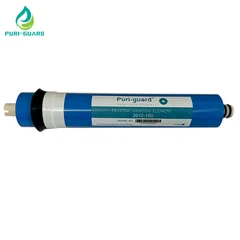
Moreover, nanofiltration can reduce the level of microorganisms in the water. Bacteria, viruses, and protozoa can cause water - borne diseases, and hotels need to ensure that the water they provide is free from these harmful pathogens. Our Residential NF Membrane is designed to offer excellent contaminant removal capabilities, making it a great option for hotels looking to improve their water quality.
2. Partial Salt Removal
Unlike reverse osmosis, which removes almost all salts from the water, nanofiltration allows for partial salt removal. This is actually beneficial for hotel water treatment. Some salts, like sodium and potassium, are essential for human health in small amounts. By only partially removing salts, nanofiltration can produce water that still has a balanced mineral content, which is important for drinking water. This also means that the water treated by nanofiltration has a more natural taste compared to water treated by reverse osmosis, which can taste flat due to the complete removal of salts.
3. Energy Efficiency
Nanofiltration is generally more energy - efficient than reverse osmosis. Reverse osmosis requires a high pressure to force water through the membrane, which consumes a significant amount of energy. Nanofiltration, on the other hand, operates at lower pressures, resulting in lower energy consumption. This can lead to cost savings for hotels in the long run, as they won't have to spend as much on electricity for water treatment.
4. Cost - Effectiveness
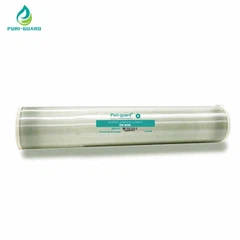
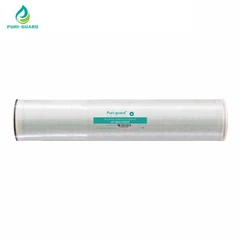
In addition to energy savings, nanofiltration can be a cost - effective solution for hotels. The initial investment in a nanofiltration system may be lower compared to some other advanced water treatment technologies. Also, the maintenance cost is relatively low. The membranes used in nanofiltration systems have a longer lifespan compared to some other types of filters, and they don't require frequent replacement. Our Nanofiltration NF 8040 is a high - quality membrane that offers long - term performance at a reasonable cost.
Challenges and Considerations
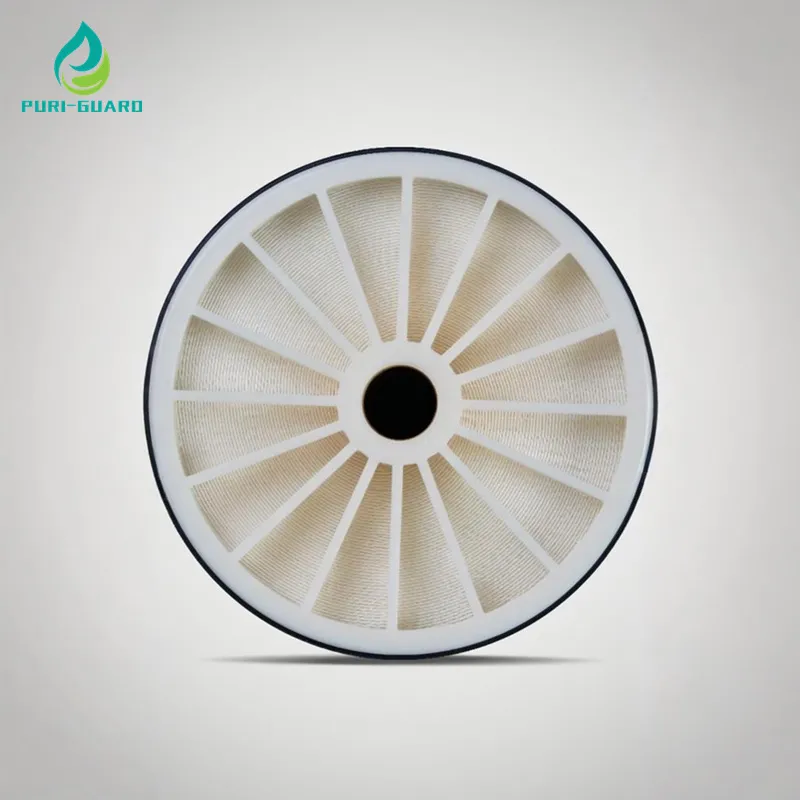
Of course, no water treatment solution is without its challenges. One of the main challenges of nanofiltration is membrane fouling. Over time, particles and contaminants can accumulate on the surface of the membrane, reducing its efficiency. To address this issue, regular maintenance and cleaning of the membrane are required. We provide detailed instructions on how to maintain and clean our nanofiltration membranes to ensure their optimal performance.

Another consideration is the need for pre - treatment. In some cases, the water may need to be pre - treated before it enters the nanofiltration system. For example, if the water has a high turbidity (a measure of the cloudiness of water), it may need to be filtered through a sediment filter first to remove large particles. This pre - treatment step can add to the overall cost and complexity of the water treatment process, but it is necessary to protect the nanofiltration membrane and ensure its long - term performance.
Different Types of Nanofiltration Membranes for Hotels
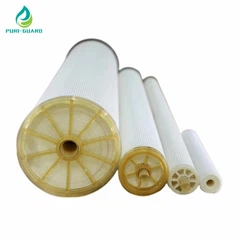
We offer a variety of nanofiltration membranes that are suitable for hotel water treatment. The NF 60 Membrane is known for its high rejection rate of divalent ions, which makes it ideal for treating hard water. It can effectively reduce the calcium and magnesium content in the water, preventing scale buildup in pipes and appliances.
The Nanofiltration NF 8040 is a larger - sized membrane that can handle a higher flow rate. This is great for hotels with a large water demand, as it can ensure a continuous supply of treated water.
Case Studies
Let's take a look at a couple of real - world examples of how water nanofiltration has been successfully used in hotels.
Hotel A was facing problems with hard water. The pipes in the hotel were constantly clogged with scale, and the guests were complaining about the poor taste of the water. After installing our nanofiltration system with the Residential NF Membrane, the scale buildup problem was significantly reduced. The water tasted better, and the guests noticed the improvement. The hotel also saw a reduction in the maintenance cost of their pipes and appliances.
Hotel B was concerned about the presence of heavy metals in the water supply. They were worried about the health risks to their guests. By implementing a nanofiltration system, they were able to remove the heavy metals from the water. The water quality improved, and the hotel was able to provide a safer and more comfortable environment for their guests.
Conclusion
In conclusion, water nanofiltration can definitely be used for hotel water treatment, and it offers many advantages. It can effectively remove contaminants, provide partially desalinated water with a balanced mineral content, is energy - efficient, and cost - effective. While there are some challenges like membrane fouling and the need for pre - treatment, these can be managed with proper maintenance and system design.
If you're a hotel owner or manager looking for a reliable water treatment solution, we'd love to talk to you. Our team of experts can assess your water quality and recommend the best nanofiltration system for your needs. Whether you need a small - scale system for a boutique hotel or a large - scale system for a big - name resort, we've got you covered. Contact us to start a conversation about how our water nanofiltration systems can transform your hotel's water quality.
References
- "Water Treatment Handbook" by some well - known water treatment experts.
- Industry reports on water treatment technologies for the hospitality industry.