
Yo, folks! I'm in the biz of supplying Reverse Osmosis Nanofiltration stuff, and one question I get a ton is: "How long do reverse osmosis nanofiltration membranes last?" Well, let's dig into this topic and find out.
First off, let's talk a bit about what these membranes are. Reverse osmosis and nanofiltration membranes are like the superheroes of water treatment. They're used to filter out all sorts of nasties from water, like salts, minerals, and contaminants. Whether it's for residential use or industrial applications, these membranes play a crucial role in making sure we get clean, safe water.

Now, the lifespan of these membranes isn't set in stone. It depends on a bunch of factors. One of the biggest factors is the quality of the water they're treating. If the water is really dirty, full of sediment, chemicals, or high levels of dissolved solids, the membranes are going to have a tougher time. They'll get clogged up faster, and their performance will start to decline. On the other hand, if the water is relatively clean, the membranes can last a lot longer.
Another factor is the operating conditions. Things like the pressure, temperature, and flow rate can all affect how long the membranes last. If the pressure is too high, it can damage the membranes. Similarly, if the temperature is too extreme, either too hot or too cold, it can also have a negative impact. And if the flow rate is too high, it can cause the membranes to wear out faster.
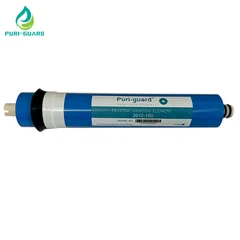
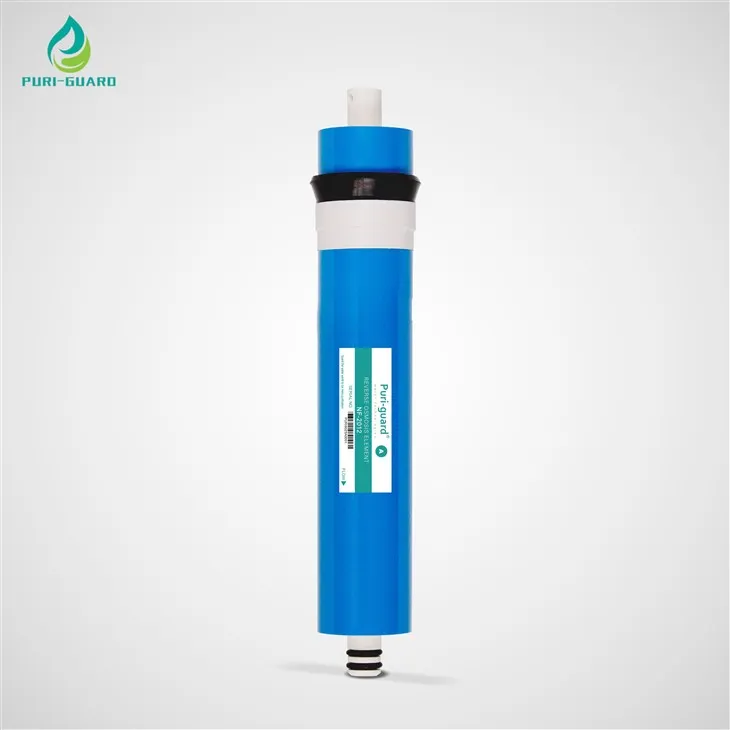
Let's start with residential use. In a typical home, a Residential NF Membrane can last anywhere from 2 to 5 years. This is assuming that the water quality is decent and the system is properly maintained. Most residential water treatment systems have pre - filters that help remove larger particles before the water reaches the nanofiltration membrane. This helps protect the membrane and extend its lifespan.
For example, if you live in an area with relatively soft water and low levels of contaminants, your membrane might last closer to 5 years. But if you have hard water with a lot of minerals or if there are agricultural chemicals in the water supply, the membrane might need to be replaced after 2 or 3 years.
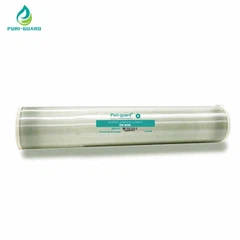
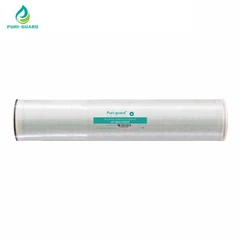
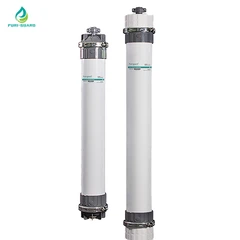
Now, in industrial settings, the situation is a bit more complex. Industrial applications often deal with much larger volumes of water and more challenging water quality. An NF RO Membrane used in an industrial water treatment plant can last from 1 to 3 years. This is because industrial water sources can be highly variable, and the membranes are under a lot more stress.
Some industries, like the food and beverage industry, require very high - quality water. The membranes in these applications need to be replaced more frequently to ensure that the final product meets the strict quality standards. In contrast, industries that can tolerate a slightly lower water quality might be able to get away with longer membrane lifespans.
In water treatment plants that focus on Water Nanofiltration, the membranes' lifespan also depends on the treatment goals. If the goal is to remove a wide range of contaminants, including very small particles and dissolved substances, the membranes will be working harder and may need to be replaced sooner.
Maintenance is also a key factor in determining how long the membranes last. Regular maintenance can significantly extend the lifespan of the membranes. This includes things like cleaning the membranes, replacing pre - filters, and monitoring the system's performance.
Cleaning the membranes is an important part of maintenance. Over time, contaminants can build up on the surface of the membranes, reducing their efficiency. There are different cleaning methods, such as chemical cleaning and physical cleaning. Chemical cleaning involves using special cleaning agents to dissolve the contaminants, while physical cleaning might involve flushing the membranes with water at high pressure.
Replacing pre - filters on time is also crucial. Pre - filters are designed to catch larger particles and prevent them from reaching the membrane. If the pre - filters are not replaced regularly, they can become clogged, and the membrane will have to deal with more contaminants, which will shorten its lifespan.
Monitoring the system's performance is another important aspect of maintenance. By keeping an eye on things like the pressure, flow rate, and water quality at the inlet and outlet of the membrane, you can detect any problems early on and take corrective action.
So, how can you tell when it's time to replace the membrane? There are a few signs to look out for. One of the most obvious signs is a decrease in water flow. If you notice that the water is coming out of your faucet or other water outlet more slowly than usual, it could be a sign that the membrane is clogged.
Another sign is a change in water quality. If the water starts to taste or smell different, or if it has a cloudy appearance, it could mean that the membrane is no longer working effectively. You might also notice an increase in the levels of contaminants in the water, which can be detected through water testing.
In some cases, the system might start to produce an error message or warning light. This is usually a sign that there's a problem with the membrane or the overall system.
As a Reverse Osmosis Nanofiltration supplier, I've seen firsthand how important it is to choose the right membrane for your needs. Different membranes are designed for different applications and water qualities. That's why it's crucial to work with a knowledgeable supplier who can help you select the best membrane for your specific situation.
We offer a wide range of NF RO Membrane products that are designed to meet the needs of both residential and industrial customers. Our membranes are made from high - quality materials and are built to last. But even the best membranes need proper care and maintenance to reach their full potential.
If you're in the market for a new reverse osmosis or nanofiltration membrane, or if you have any questions about membrane lifespan or maintenance, don't hesitate to reach out. We're here to help you make the right decision and ensure that your water treatment system works effectively for as long as possible. Whether you're a homeowner looking for a reliable Residential NF Membrane or an industrial operator in need of a high - performance NF RO Membrane, we've got you covered.
In conclusion, the lifespan of reverse osmosis and nanofiltration membranes can vary widely depending on water quality, operating conditions, and maintenance. By understanding these factors and taking proper care of your system, you can get the most out of your membranes. If you're interested in learning more or making a purchase, feel free to contact us. We're ready to assist you in finding the perfect solution for your water treatment needs.
References
- Water Treatment Handbook, various industry experts
- Research papers on membrane technology in water treatment