
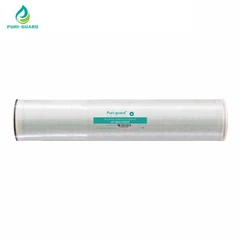
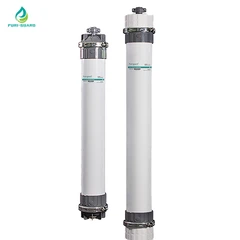
The frequency of replacing a Nanofiltration (NF) or Reverse Osmosis (RO) membrane is a critical consideration for both residential and commercial users. As a trusted NF RO Membrane supplier, I understand the importance of providing accurate information to help you make informed decisions about membrane replacement. In this blog, I will delve into the factors that influence the replacement interval and offer practical guidance on determining when it's time to change your membrane.
Factors Affecting Membrane Replacement Frequency
Water Quality
The quality of the feed water is one of the primary factors that determine how often an NF RO membrane needs to be replaced. Water sources with high levels of contaminants, such as sediment, organic matter, and dissolved solids, can cause the membrane to foul or scale more quickly. For example, if your water supply contains a significant amount of iron or manganese, these metals can form deposits on the membrane surface, reducing its efficiency and lifespan. In contrast, water with low levels of contaminants will put less stress on the membrane, allowing it to last longer.
Operating Conditions
The operating conditions of your NF RO system also play a crucial role in membrane longevity. Factors such as temperature, pressure, and flow rate can affect the performance and lifespan of the membrane. High temperatures can accelerate the degradation of the membrane material, while excessive pressure can cause physical damage to the membrane. Additionally, operating the system at a high flow rate without proper pre-treatment can lead to increased fouling and scaling. It's important to follow the manufacturer's recommendations for operating conditions to ensure optimal membrane performance and longevity.
Membrane Type and Quality
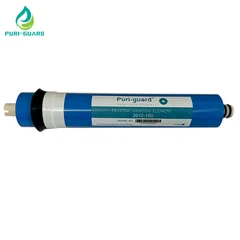
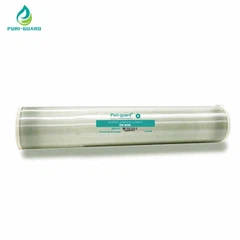
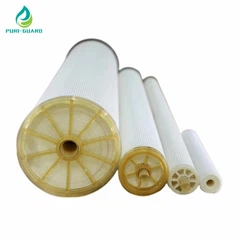
Not all NF RO membranes are created equal. Different membrane types and qualities have varying levels of resistance to fouling, scaling, and chemical degradation. Higher-quality membranes are typically more durable and can withstand harsher operating conditions, resulting in a longer replacement interval. When choosing a membrane, it's important to consider the specific requirements of your application and select a membrane that is suitable for your water quality and operating conditions. As a supplier, I offer a wide range of high-quality NF RO membranes, including the NF 40 Membrane, Residential NF Membrane, and Nanofiltration NF 8040, to meet the diverse needs of my customers.
Maintenance and Cleaning
Regular maintenance and cleaning are essential for extending the lifespan of your NF RO membrane. Proper pre-treatment of the feed water, such as filtration and chemical dosing, can help prevent fouling and scaling. Additionally, periodic cleaning of the membrane using appropriate cleaning agents can remove accumulated contaminants and restore its performance. However, it's important to follow the manufacturer's guidelines for cleaning to avoid damaging the membrane. Neglecting maintenance and cleaning can significantly reduce the lifespan of the membrane and increase the frequency of replacement.
Signs That It's Time to Replace Your Membrane
Decreased Water Production
One of the most obvious signs that your NF RO membrane needs to be replaced is a decrease in water production. If you notice that your system is producing less water than usual, it could be a sign that the membrane is fouled or damaged. Over time, contaminants can accumulate on the membrane surface, reducing its permeability and restricting the flow of water through the membrane. In some cases, the decrease in water production may be gradual, while in other cases, it may be more sudden. If you experience a significant decrease in water production, it's important to have your membrane inspected and potentially replaced.


Poor Water Quality
Another sign that your membrane may need to be replaced is a deterioration in water quality. If you notice that the treated water has a strange taste, odor, or appearance, it could be a sign that the membrane is no longer functioning properly. A fouled or damaged membrane may allow contaminants to pass through, resulting in poor water quality. Additionally, if you notice an increase in the levels of dissolved solids or other contaminants in the treated water, it's a clear indication that the membrane needs to be replaced.
Increased Pressure Drop
An increase in the pressure drop across the membrane is another common sign of membrane fouling or damage. As contaminants accumulate on the membrane surface, they create a resistance to the flow of water, causing the pressure drop to increase. A high pressure drop can indicate that the membrane is clogged and needs to be cleaned or replaced. Monitoring the pressure drop across the membrane on a regular basis can help you detect early signs of fouling and take appropriate action to prevent further damage.
Frequent Cleaning Requirements
If you find yourself having to clean your membrane more frequently than usual, it could be a sign that the membrane is reaching the end of its lifespan. As the membrane ages, it becomes more susceptible to fouling and scaling, requiring more frequent cleaning to maintain its performance. If you notice that your cleaning intervals are becoming shorter or that the cleaning process is becoming less effective, it's a good indication that the membrane needs to be replaced.
General Guidelines for Membrane Replacement
While the specific replacement interval for an NF RO membrane will depend on the factors discussed above, there are some general guidelines that can help you determine when it's time to replace your membrane. In general, residential NF RO membranes typically need to be replaced every 2 to 3 years, while commercial membranes may need to be replaced every 1 to 2 years. However, these are just rough estimates, and the actual replacement interval may vary depending on the specific circumstances of your application.
It's important to note that these guidelines are based on normal operating conditions and proper maintenance. If your water quality is particularly poor or if you operate your system under harsh conditions, you may need to replace your membrane more frequently. On the other hand, if you have a high-quality membrane and take good care of your system, you may be able to extend the replacement interval.
Conclusion
Determining how often to replace an NF RO membrane is not an exact science, as it depends on a variety of factors such as water quality, operating conditions, membrane type and quality, and maintenance practices. By understanding these factors and monitoring the performance of your membrane, you can make informed decisions about when it's time to replace your membrane. As a trusted NF RO Membrane supplier, I am committed to providing high-quality membranes and expert advice to help you optimize the performance and lifespan of your NF RO system. If you have any questions or need assistance with membrane selection or replacement, please don't hesitate to contact me. I look forward to working with you to meet your water treatment needs.
References
- [1] "Nanofiltration and Reverse Osmosis Membranes: Principles and Applications," by M. Mulder.
- [2] "Water Treatment Membrane Technology," edited by R. W. Baker.
- [3] Manufacturer's specifications and guidelines for NF RO membranes.