
How to Improve the Selectivity of Industrial RO Membrane?
As a supplier of industrial RO membranes, I understand the critical role that membrane selectivity plays in the efficiency and effectiveness of reverse osmosis (RO) systems. Selectivity refers to the membrane's ability to separate different components in a solution, typically allowing water molecules to pass through while rejecting dissolved salts, contaminants, and other impurities. In this blog post, I will share some insights and strategies on how to improve the selectivity of industrial RO membranes.
Understanding the Factors Affecting Membrane Selectivity
Before delving into the ways to improve selectivity, it is essential to understand the factors that influence it. Several key factors can impact the selectivity of an industrial RO membrane:
- Membrane Material: The choice of membrane material is crucial as it determines the inherent properties of the membrane, including its selectivity. Different materials have varying degrees of affinity for water and solutes, which directly affects their separation performance. For example, thin-film composite (TFC) membranes are widely used in industrial RO applications due to their high selectivity and permeability.
- Membrane Structure: The structure of the membrane, including its pore size, surface roughness, and porosity, also plays a significant role in selectivity. A membrane with smaller pore sizes generally has higher selectivity as it can more effectively reject larger solutes. However, reducing the pore size too much can also lead to a decrease in permeability, resulting in lower water flux.
- Operating Conditions: The operating conditions of the RO system, such as pressure, temperature, pH, and feed water composition, can significantly impact membrane selectivity. Higher operating pressures can increase the driving force for water permeation but may also cause compaction of the membrane, leading to a decrease in selectivity. Similarly, extreme temperatures and pH levels can affect the stability and performance of the membrane.
- Membrane Fouling: Fouling is a common problem in RO systems that can reduce membrane selectivity over time. Fouling occurs when contaminants, such as organic matter, colloids, and microorganisms, accumulate on the membrane surface or within its pores, blocking the flow of water and increasing the resistance to solute rejection. Regular cleaning and maintenance of the RO system are essential to prevent fouling and maintain membrane selectivity.
Strategies to Improve Membrane Selectivity
Based on the factors mentioned above, here are some strategies that can be employed to improve the selectivity of industrial RO membranes:


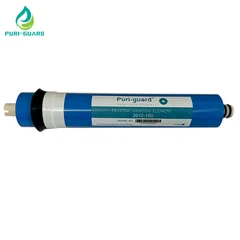
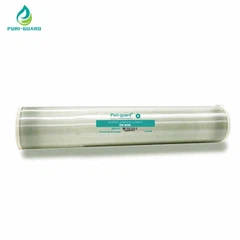
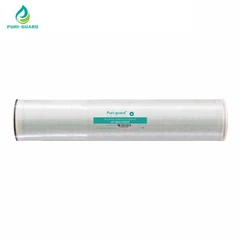
- Optimize Membrane Material Selection: When selecting an industrial RO membrane, it is important to consider the specific requirements of the application, such as the feed water composition, desired product quality, and operating conditions. Different membrane materials have different selectivity characteristics, so choosing the right material is crucial for achieving optimal performance. For example, if the feed water contains high levels of organic matter, a membrane with a high rejection rate for organic compounds may be required. As a supplier, we offer a wide range of industrial RO membranes, including BW 4040, 8040 RO Membrane, and Membrane BW 8040, each with its own unique selectivity properties to meet the diverse needs of our customers.
- Control Operating Conditions: Maintaining optimal operating conditions is essential for maximizing membrane selectivity. This includes controlling the pressure, temperature, pH, and feed water flow rate within the recommended ranges specified by the membrane manufacturer. Regular monitoring and adjustment of these parameters can help prevent membrane compaction, fouling, and other issues that can reduce selectivity. For example, operating the RO system at a slightly lower pressure than the maximum recommended pressure can help minimize membrane compaction and improve long-term selectivity.
- Implement Pretreatment Processes: Pretreatment is an important step in RO systems to remove contaminants and prevent fouling of the membrane. By removing large particles, colloids, organic matter, and microorganisms from the feed water, pretreatment can significantly improve membrane selectivity and extend its lifespan. Common pretreatment processes include filtration, sedimentation, coagulation, and disinfection. The specific pretreatment requirements depend on the feed water quality and the type of membrane being used.
- Regular Cleaning and Maintenance: Regular cleaning and maintenance of the RO system are essential to prevent fouling and maintain membrane selectivity. This includes performing routine membrane cleaning using appropriate cleaning agents and procedures recommended by the membrane manufacturer. In addition, regular inspection and replacement of worn or damaged components, such as membranes, seals, and O-rings, can help ensure the proper functioning of the RO system and maintain high membrane selectivity.
- Use Membrane Surface Modification Techniques: Surface modification techniques can be used to improve the selectivity of industrial RO membranes by altering the surface properties of the membrane. For example, coating the membrane surface with a thin layer of a selective material can enhance its rejection of specific solutes. Another approach is to introduce functional groups onto the membrane surface to improve its affinity for water and reduce its affinity for solutes. These surface modification techniques can be customized to meet the specific requirements of the application and can significantly improve membrane selectivity.
Case Study: Improving Membrane Selectivity in a Desalination Plant
To illustrate the effectiveness of the strategies mentioned above, let's consider a case study of a desalination plant that was experiencing a decline in membrane selectivity over time. The plant was using a TFC RO membrane to desalinate seawater, but the rejection rate of dissolved salts had decreased from its initial value of over 99% to around 95%.
After conducting a thorough analysis of the operating conditions and membrane performance, the following steps were taken to improve membrane selectivity:
- Optimize Pretreatment: The pretreatment process was optimized to remove more effectively the suspended solids, organic matter, and microorganisms from the feed water. This included installing additional filtration units and adjusting the dosage of coagulants and disinfectants.
- Adjust Operating Conditions: The operating pressure was slightly reduced to prevent membrane compaction, and the feed water temperature was maintained within the recommended range. In addition, the pH of the feed water was adjusted to optimize the performance of the membrane.
- Regular Cleaning and Maintenance: A regular cleaning schedule was established to remove any fouling or scaling that had accumulated on the membrane surface. The cleaning process was carefully designed to minimize damage to the membrane and to ensure maximum effectiveness.
- Surface Modification: The membrane surface was modified using a proprietary coating technology to enhance its rejection of dissolved salts. This coating was designed to improve the hydrophilicity of the membrane surface and to reduce the adsorption of salts.
After implementing these measures, the membrane selectivity of the desalination plant improved significantly. The rejection rate of dissolved salts increased from 95% to over 98%, and the water flux also increased slightly. The improved membrane selectivity resulted in a higher quality of the product water and a reduction in the operating costs of the desalination plant.
Conclusion
Improving the selectivity of industrial RO membranes is essential for achieving high-quality water production and maximizing the efficiency of RO systems. By understanding the factors that affect membrane selectivity and implementing the strategies discussed in this blog post, such as optimizing membrane material selection, controlling operating conditions, implementing pretreatment processes, regular cleaning and maintenance, and using membrane surface modification techniques, it is possible to significantly improve membrane selectivity and extend its lifespan.
As a supplier of industrial RO membranes, we are committed to providing our customers with high-quality membranes and comprehensive technical support to help them achieve optimal performance in their RO systems. If you are interested in learning more about our industrial RO membranes or have any questions about improving membrane selectivity, please feel free to contact us for a consultation. We look forward to working with you to meet your water treatment needs.
References
- Cheryan, M. (1998). Ultrafiltration and Microfiltration Handbook. Technomic Publishing Company, Inc.
- Mulder, M. (1996). Basic Principles of Membrane Technology. Kluwer Academic Publishers.
- Rautenbach, R., & Albrecht, R. (1989). Membrane Processes. John Wiley & Sons, Inc.
- Baker, R. W. (2004). Membrane Technology and Applications. John Wiley & Sons, Ltd.
- Ho, W. S. W., & Sirkar, K. K. (Eds.). (1992). Membrane Handbook. Van Nostrand Reinhold.