

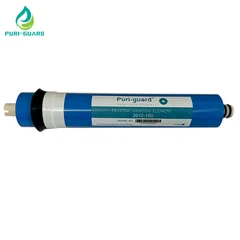
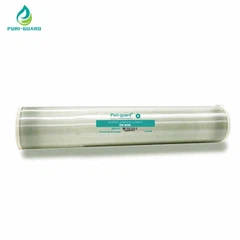
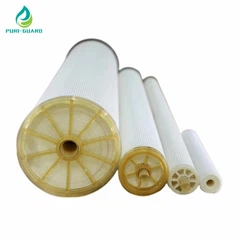
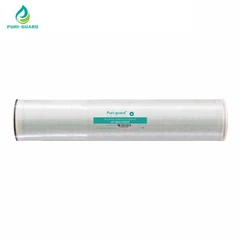
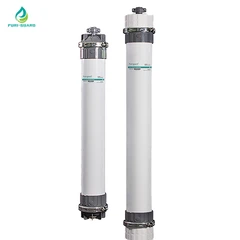
As a supplier of RO 2521, I understand the importance of using this product correctly to achieve optimal results. RO 2521 is a high - performance reverse osmosis membrane that is widely used in various water treatment applications. In this blog, I will share some key points on how to take RO 2521 correctly.
1. Pre - installation Considerations
Before installing the RO 2521 membrane, it is crucial to conduct a thorough assessment of the water source. Analyze the water quality parameters such as total dissolved solids (TDS), pH, temperature, and the presence of contaminants like chlorine, iron, and hardness. High levels of chlorine can damage the membrane, so if the water contains chlorine, a pre - treatment step such as activated carbon filtration is necessary to remove it.
The temperature of the feed water also affects the performance of the RO 2521 membrane. Generally, the optimal operating temperature range for RO membranes is between 5°C and 45°C. If the water temperature is too low, the permeate flow rate will decrease, while extremely high temperatures can cause physical and chemical changes to the membrane, reducing its lifespan.
2. Installation Process
When installing the RO 2521 membrane, make sure to follow the manufacturer's instructions carefully. First, clean the membrane housing thoroughly to remove any debris or contaminants. Lubricate the O - rings on the membrane with a food - grade silicone lubricant to ensure a proper seal and prevent leaks.
Insert the membrane into the housing gently, taking care not to damage the membrane elements. Align the membrane correctly with the inlet and outlet ports of the housing. After inserting the membrane, secure the end caps tightly to prevent any bypass of the feed water around the membrane.
3. Start - up and Initial Flushing
After installation, it is essential to perform an initial flushing of the RO system. This helps to remove any protective agents, debris, or air bubbles from the membrane. Start by slowly opening the feed water valve to allow water to flow through the system at a low pressure. Gradually increase the pressure to the recommended operating pressure, which is typically around 100 - 150 psi for RO 2521 membranes.


Flush the system for at least 15 - 30 minutes, or until the permeate water is clear and free of any visible contaminants. During this initial flushing period, do not collect the permeate water for use, as it may contain residual chemicals or particles from the manufacturing and installation processes.
4. Operating Conditions
Maintaining the proper operating conditions is crucial for the long - term performance of the RO 2521 membrane. Monitor the feed water pressure, permeate flow rate, and reject flow rate regularly. The feed water pressure should be maintained within the recommended range to ensure efficient operation. If the pressure is too low, the permeate flow rate will be insufficient, while excessive pressure can cause membrane damage.
The permeate flow rate is an important indicator of the membrane's performance. A significant decrease in the permeate flow rate may indicate membrane fouling or scaling. In such cases, it is necessary to take appropriate measures to clean the membrane. The reject flow rate should also be adjusted to maintain a proper recovery rate. A typical recovery rate for RO 2521 membranes is around 15 - 25%, depending on the water quality and system design.
5. Chemical Cleaning
Over time, the RO 2521 membrane may become fouled or scaled due to the accumulation of contaminants such as salts, organic matter, and microorganisms. Regular chemical cleaning is necessary to restore the membrane's performance.
The choice of cleaning chemicals depends on the type of fouling. For inorganic scaling, an acid - based cleaning solution such as citric acid or hydrochloric acid can be used. Organic fouling can be removed using an alkaline cleaning solution containing sodium hydroxide or sodium dodecyl sulfate.
Before performing a chemical cleaning, shut down the RO system and isolate the membrane housing. Prepare the cleaning solution according to the manufacturer's instructions. Circulate the cleaning solution through the membrane housing at a low flow rate and a moderate pressure for a specified period, usually 1 - 2 hours. After cleaning, flush the system thoroughly with clean water to remove any residual cleaning chemicals.
6. Comparison with Other Membranes
There are several other types of RO membranes available in the market, such as BW2521, TW30 2521, and 2540 Membrane. Each type has its own characteristics and performance parameters.
BW2521 membranes are known for their high salt rejection rate and good chemical resistance, making them suitable for applications where high - quality permeate water is required. TW30 2521 membranes offer a balance between permeate flow rate and salt rejection, and are often used in medium - to high - volume water treatment systems. The 2540 Membrane has a larger membrane area compared to RO 2521, which results in a higher permeate flow rate, but may require a higher feed water pressure.
7. Monitoring and Maintenance
Regular monitoring of the RO system is essential to detect any potential problems early and ensure its continuous operation. Keep a record of the operating parameters such as feed water pressure, permeate flow rate, reject flow rate, and TDS of the feed and permeate water. Analyze these data regularly to identify any trends or changes in the system's performance.
Inspect the membrane housing and connections periodically for any signs of leaks, corrosion, or damage. Replace any worn - out O - rings or gaskets promptly to prevent leaks. Also, check the pre - treatment filters regularly and replace them when they are clogged to ensure proper protection of the RO membrane.
8. Storage
If the RO 2521 membrane needs to be stored for an extended period, it should be stored in a cool, dry place away from direct sunlight. The membrane should be kept in its original packaging or a sealed container to prevent drying out and contamination.
Before storing the membrane, it is recommended to perform a chemical preservation treatment. This involves filling the membrane with a preservation solution containing a biocide and a pH - adjusting agent to prevent the growth of microorganisms and maintain the chemical stability of the membrane.
Conclusion
Taking RO 2521 correctly involves a series of steps, from pre - installation considerations to long - term maintenance. By following the guidelines outlined in this blog, you can ensure the optimal performance and longevity of your RO 2521 membrane.
If you are interested in purchasing RO 2521 membranes or have any questions about their use and maintenance, please feel free to contact us for further discussion and negotiation. We are committed to providing high - quality products and professional technical support to meet your water treatment needs.
References
- Reverse Osmosis Membrane Technology Handbook, Manufacturer's Manual
- Water Treatment Principles and Design, Third Edition, by David W. Hendricks and Gary Tchobanoglous