
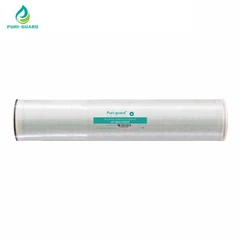
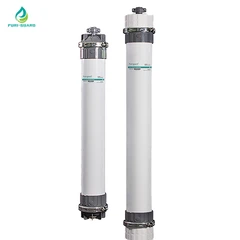
Nanofiltration (NF) membranes are a crucial component in water nanofiltration systems, playing a significant role in removing various contaminants from water. As a reputable water nanofiltration supplier, I often encounter questions from customers regarding the lifespan of nanofiltration membranes. In this blog post, I will delve into the factors that influence the longevity of NF membranes and provide insights on how to maximize their service life.
Understanding Nanofiltration Membranes
Nanofiltration membranes are semi - permeable barriers that allow water molecules to pass through while rejecting certain solutes, such as multivalent ions, organic compounds, and some microorganisms. These membranes have pore sizes typically in the range of 1 - 10 nanometers, which gives them the ability to selectively separate different components in water.
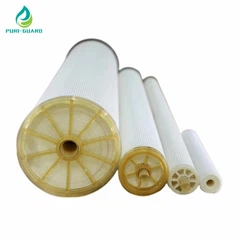
The most common types of NF membranes used in water treatment are thin - film composite (TFC) membranes. These membranes are composed of a thin active layer supported by a porous substrate. The active layer is responsible for the separation properties, while the substrate provides mechanical strength.
Factors Affecting the Lifespan of Nanofiltration Membranes
Feed Water Quality
The quality of the feed water is one of the most significant factors influencing the lifespan of NF membranes. Water with high levels of suspended solids, colloids, organic matter, and microorganisms can cause fouling of the membrane surface. Fouling occurs when these contaminants accumulate on the membrane, reducing its permeability and separation efficiency.
For example, if the feed water contains a large amount of silt or clay particles, these particles can form a cake layer on the membrane surface, blocking the pores and increasing the transmembrane pressure. Similarly, organic matter such as humic acids can adsorb onto the membrane, leading to biofouling when microorganisms grow on the adsorbed organic layer.
To mitigate the impact of feed water quality, proper pre - treatment is essential. Pre - treatment processes such as sedimentation, filtration, and disinfection can remove a significant portion of the contaminants in the feed water, reducing the fouling potential and extending the membrane lifespan.
Operating Conditions
The operating conditions of the nanofiltration system also play a crucial role in determining the membrane lifespan. Parameters such as pressure, temperature, and flow rate can affect the membrane's performance and durability.
High operating pressures can cause compaction of the membrane, which reduces its permeability over time. Additionally, excessive pressure can lead to mechanical stress on the membrane, increasing the risk of membrane damage. On the other hand, operating at too low a pressure may result in incomplete separation and reduced product water quality.
Temperature also affects the membrane's performance. Higher temperatures can increase the membrane's permeability, but they can also accelerate chemical reactions and microbial growth, leading to faster fouling and degradation of the membrane material. Most NF membranes have an optimal operating temperature range, and operating outside this range can shorten the membrane lifespan.
The flow rate of the feed water through the membrane module is another important factor. A low flow rate may result in insufficient cross - flow velocity, which can promote the deposition of contaminants on the membrane surface. Conversely, a very high flow rate can cause excessive shear stress on the membrane, potentially damaging it.
Chemical Cleaning
Chemical cleaning is a necessary process to remove fouling from NF membranes and restore their performance. However, improper chemical cleaning can also damage the membrane. The choice of cleaning chemicals, their concentration, and the cleaning procedure are all critical factors.
Using harsh chemicals or high - concentration cleaning solutions can degrade the membrane material, reducing its lifespan. For example, strong acids or alkalis can react with the membrane polymer, causing changes in its structure and properties. Therefore, it is important to follow the manufacturer's recommendations for chemical cleaning and to use the appropriate cleaning agents and procedures.
Typical Lifespan of Nanofiltration Membranes
The lifespan of NF membranes can vary widely depending on the factors mentioned above. In general, under normal operating conditions with proper pre - treatment and maintenance, NF membranes can last between 2 to 5 years.
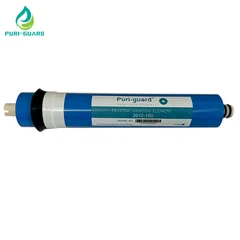
In residential applications, where the feed water quality is usually better and the operating conditions are more stable, the membranes may last longer. Our Residential NF Membrane is designed to provide reliable performance for an extended period. For example, in a well - maintained household water nanofiltration system, the membrane can last up to 5 years.
In industrial applications, where the feed water quality is often more challenging and the operating conditions are more demanding, the membrane lifespan may be shorter, typically around 2 - 3 years. However, with advanced pre - treatment and optimized operating conditions, it is possible to extend the membrane lifespan in industrial settings as well.
Maximizing the Lifespan of Nanofiltration Membranes
Regular Monitoring
Regular monitoring of the nanofiltration system is essential to detect any changes in the membrane performance early. Parameters such as transmembrane pressure, permeate flow rate, and product water quality should be monitored continuously. An increase in transmembrane pressure or a decrease in permeate flow rate may indicate fouling or membrane damage, while a change in product water quality may suggest a decline in the membrane's separation efficiency.
Proper Pre - treatment
As mentioned earlier, proper pre - treatment of the feed water is crucial for extending the membrane lifespan. Pre - treatment processes should be designed based on the specific characteristics of the feed water. For example, if the feed water has a high turbidity, a multi - media filter can be used to remove the suspended solids. If the water contains a significant amount of organic matter, activated carbon filtration can be employed to adsorb the organic compounds.
Optimal Operating Conditions
Maintaining optimal operating conditions is also important. The operating pressure, temperature, and flow rate should be set within the recommended range by the membrane manufacturer. Regular adjustments may be required based on the changes in feed water quality and system performance.
Appropriate Chemical Cleaning
When chemical cleaning is necessary, it should be carried out using the appropriate cleaning agents and procedures. The cleaning frequency should be determined based on the degree of fouling. Over - cleaning or using improper cleaning methods can cause more harm than good to the membrane.
Our Product Range
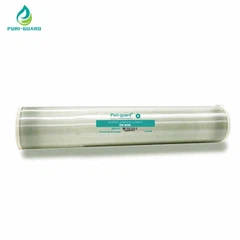
As a water nanofiltration supplier, we offer a wide range of high - quality NF membranes to meet different customer needs. Our NF 4040 membrane is a popular choice for small - to medium - scale applications, providing excellent separation performance and durability. For household use, our Household NF membrane is designed to be easy to install and maintain, ensuring clean and safe drinking water for your family.
Contact Us for Procurement
If you are interested in purchasing nanofiltration membranes or have any questions about their lifespan and performance, we encourage you to contact us. Our team of experts is ready to provide you with detailed information and guidance on selecting the right membrane for your specific application. We can also offer support on system design, installation, and maintenance to ensure the long - term performance of your water nanofiltration system.


References
- Cheryan, M. Ultrafiltration and Microfiltration Handbook. Technomic Publishing Co., Inc., 1998.
- Mulder, M. Basic Principles of Membrane Technology. Kluwer Academic Publishers, 1996.
- Baker, R. W. Membrane Technology and Applications. John Wiley & Sons, 2004.