
Advantages of Industrial RO Membrane
As a trusted supplier of industrial RO membranes, I've witnessed firsthand the transformative impact these membranes have on various industries. Reverse osmosis (RO) technology, at its core, is a water purification method that uses a semi - permeable membrane to remove ions, molecules, and larger particles from water. Industrial RO membranes are engineered to handle the high - volume, high - pressure, and often complex water treatment requirements of industrial settings. In this blog, I'll delve into the numerous advantages of industrial RO membranes.
High - Quality Water Production
One of the most significant advantages of industrial RO membranes is their ability to produce high - quality water. In industrial processes, the purity of water can have a direct impact on the quality of the final product. For instance, in the pharmaceutical industry, even the slightest impurity in water can contaminate drugs, leading to ineffective or unsafe products. Industrial RO membranes are capable of removing up to 99% of dissolved salts, bacteria, viruses, and other contaminants. This high level of purification ensures that the water used in industrial applications meets the strictest quality standards.
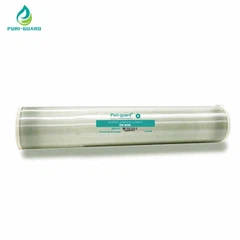
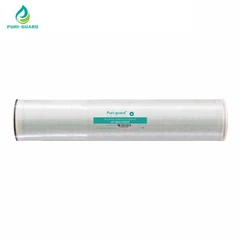
Our 8040 RO Membrane is a prime example. It is designed to provide a large surface area for water filtration, which enhances the efficiency of the purification process. With its advanced membrane material, it can effectively reject a wide range of contaminants, delivering water that is pure enough for even the most demanding industrial processes.
Cost - Efficiency
Industrial RO membranes offer long - term cost savings for businesses. While the initial investment in an RO system may seem substantial, the operational costs are relatively low compared to other water treatment methods. Once installed, the membrane can operate continuously with minimal maintenance. The energy consumption of modern RO systems has also been significantly reduced through technological advancements.
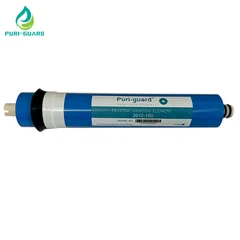
Moreover, using industrial RO membranes can reduce the need for expensive chemical treatments. Since the membrane can remove a large number of contaminants, fewer chemicals are required for water disinfection and purification. This not only cuts down on chemical costs but also reduces the environmental impact associated with chemical disposal. For example, the BW 4040 membrane is known for its energy - efficient operation and durability. It can perform effectively for an extended period, resulting in lower replacement and operational costs over time.
Customizability
Every industrial application has unique water treatment requirements. Industrial RO membranes can be customized to meet these specific needs. Membrane manufacturers can adjust the pore size, membrane material, and surface characteristics of the RO membranes to target specific contaminants. For example, in the food and beverage industry, where the taste and odor of water are crucial, RO membranes can be customized to remove specific organic compounds and minerals that may affect the flavor of the products.


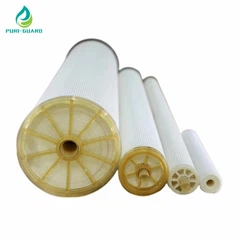
Our XLE 4040 Membrane offers a high degree of customizability. It can be configured to work with different water sources, including brackish water, seawater, and wastewater. This adaptability makes it a versatile solution for a variety of industrial applications, from aquaculture to power generation.
Space - Saving Design
In many industrial facilities, space is at a premium. Industrial RO membranes have a compact design, which allows for easy installation in limited spaces. Unlike some traditional water treatment systems that require large tanks and multiple treatment units, RO systems can be installed in a relatively small footprint. This is particularly beneficial for industries located in urban areas or facilities with existing space constraints.
The modular nature of RO membrane systems also makes them easy to expand. As the industrial processes grow and the demand for purified water increases, additional membrane modules can be added to the existing system without significant modifications. This scalability ensures that the water treatment system can keep up with the changing needs of the business.
Environmental Friendliness
In today's world, environmental sustainability is a top priority for many industries. Industrial RO membranes contribute to environmental protection in several ways. Firstly, as mentioned earlier, they reduce the need for chemical water treatment, which minimizes the release of harmful chemicals into the environment. Secondly, RO systems can recycle and reuse water, reducing the overall water consumption of industrial processes.
By using RO membranes to treat wastewater, industries can reclaim water for further use in non - critical applications, such as cooling or cleaning. This not only conserves water resources but also reduces the volume of wastewater discharged into the environment. Additionally, the energy - efficient operation of modern RO membranes helps to lower the carbon footprint associated with water treatment.
Improved Process Reliability
In industrial settings, any disruption in the water supply can lead to production downtime and significant financial losses. Industrial RO membranes provide a reliable source of purified water. They are designed to operate under a wide range of conditions, including variations in water temperature, pressure, and quality.
The robust construction of RO membranes ensures that they can withstand the harsh operating conditions of industrial processes. With proper maintenance and monitoring, an RO membrane system can provide a continuous supply of high - quality water, minimizing the risk of production interruptions. For example, in a power plant, where a reliable supply of high - purity water is essential for steam generation, an RO membrane system can ensure smooth operation and prevent costly equipment failures.
Compliance with Regulations
Many industries are subject to strict regulations regarding water quality and wastewater discharge. Industrial RO membranes can help businesses meet these regulatory requirements. By effectively removing contaminants from water, RO systems ensure that the water used in industrial processes and the wastewater discharged into the environment comply with local and international standards.
This is particularly important in industries such as the chemical, electronics, and textile industries, where the release of pollutants can have severe environmental and health consequences. Using industrial RO membranes not only helps businesses avoid costly fines but also enhances their reputation as responsible corporate citizens.
In conclusion, the advantages of industrial RO membranes are numerous and far - reaching. From producing high - quality water and offering cost - efficiency to being environmentally friendly and ensuring process reliability, these membranes are an essential component of modern industrial water treatment. If your business is in need of a reliable and efficient water treatment solution, I encourage you to explore our range of industrial RO membranes. We are committed to providing the best products and services to meet your specific needs. Contact us today to discuss your requirements and start a procurement negotiation.
References
- Cheryan, M. (1998). Ultrafiltration and Microfiltration Handbook, Second Edition. Technomic Publishing Co., Inc.
- Mulder, M. (1996). Basic Principles of Membrane Technology, Second Edition. Kluwer Academic Publishers.
- Porter, M.C. (Ed.). (1990). Handbook of Industrial Membrane Technology. Noyes Publications.