
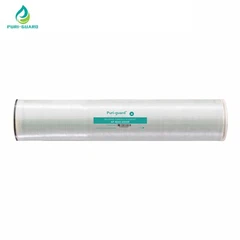
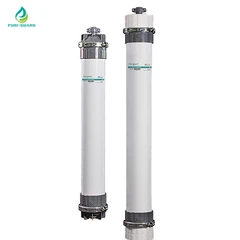
Hey there! As a supplier of HSRO membrane, I've been in the game for quite a while, and I've seen firsthand both the amazing benefits and the limitations of this product. Today, I'm gonna break down those limitations for you, so you can make an informed decision when it comes to using HSRO membrane in your projects.
1. Limited Chemical Resistance
One of the major limitations of HSRO membrane is its relatively limited chemical resistance. HSRO membranes are made of certain polymers that can be sensitive to a variety of chemicals. For instance, strong acids and bases can cause significant damage to the membrane structure. If you're working in an environment where your water source contains high levels of acidic or alkaline substances, the HSRO membrane might not be able to withstand the chemical attack for long.
This is a big deal because in industrial settings, there are often all sorts of chemicals in the water that need to be treated. Some industries use chemicals like sulfuric acid or sodium hydroxide in their processes, and if the water with these chemicals comes into contact with the HSRO membrane, it can lead to a decrease in the membrane's performance over time. The membrane pores might get enlarged or clogged, which can reduce the water flow rate and the rejection rate of contaminants.
2. Fouling Issues
Fouling is another headache when it comes to HSRO membrane. There are different types of fouling, such as organic fouling, inorganic fouling, and biological fouling. Organic fouling occurs when organic matter like humic acids, proteins, and carbohydrates in the water stick to the membrane surface. Inorganic fouling, on the other hand, is caused by the deposition of inorganic salts like calcium carbonate, calcium sulfate, and silica on the membrane. Biological fouling is the result of the growth of bacteria, fungi, and algae on the membrane.
When fouling happens, it can have a serious impact on the membrane's performance. The fouling layer acts as a barrier, reducing the water flux through the membrane. This means you'll get less water output for the same amount of input pressure. It also increases the energy consumption because you need to apply more pressure to maintain the water flow. And if the fouling isn't addressed in time, it can lead to irreversible damage to the membrane, shortening its lifespan.
3. High Operating Pressure Requirements
HSRO membranes generally require relatively high operating pressures to achieve good water separation and purification. Compared to some other types of membranes, the pressure needed for HSRO membranes can be a bit of a challenge. High operating pressure means higher energy consumption, which can significantly increase the operating costs.
For small - scale applications, this might not be a huge problem. But for large - scale industrial or municipal water treatment plants, the energy costs associated with running HSRO membranes at the required pressure can be a major expense. Moreover, high pressure also puts more stress on the membrane itself, increasing the risk of membrane damage over time. If the pressure is not properly controlled, it can cause the membrane to rupture or delaminate, which will render the membrane useless.
4. Temperature Sensitivity
HSRO membranes are sensitive to temperature changes. Most HSRO membranes have an optimal operating temperature range. If the water temperature is too low, the viscosity of the water increases, which reduces the water flux through the membrane. This means you'll get less water output even if the pressure is maintained.
On the other hand, if the water temperature is too high, it can have a negative impact on the membrane material. High temperatures can cause the membrane polymer to expand, which might change the pore size and structure of the membrane. This can lead to a decrease in the rejection rate of contaminants and an increase in the passage of unwanted substances through the membrane.
5. Limited Selectivity for Certain Contaminants
While HSRO membranes are very effective at rejecting a wide range of contaminants, they do have limitations when it comes to certain types of contaminants. For example, some small - molecular - weight organic compounds and certain ions can be difficult to reject completely. These contaminants might have a similar size or chemical properties to water molecules, making it challenging for the membrane to separate them effectively.
This can be a problem in applications where the removal of these specific contaminants is crucial. For instance, in the pharmaceutical or food and beverage industries, the presence of even trace amounts of certain contaminants can be unacceptable. In such cases, additional treatment steps might be required to achieve the desired level of purification.


6. Cost - Benefit Consideration
When it comes to purchasing HSRO membranes, the initial cost can be relatively high. The cost of manufacturing HSRO membranes involves advanced technology and high - quality materials, which are reflected in the price. And as we've discussed earlier, the operating costs, including energy consumption and membrane replacement, can also add up over time.
This means that for some applications, especially those with a limited budget, the cost - benefit ratio of using HSRO membranes might not be favorable. You need to carefully evaluate whether the performance and benefits of HSRO membranes justify the high costs. If there are alternative membrane technologies or treatment methods that can achieve similar results at a lower cost, they might be a more attractive option.
Where to Learn More
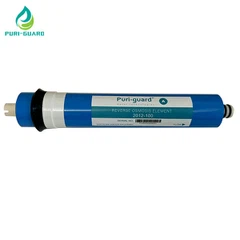
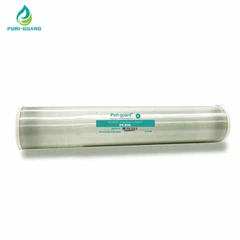
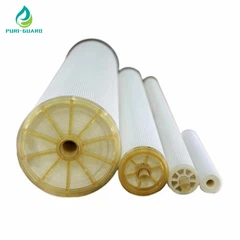
If you're interested in specific HSRO membrane products, you can check out the following links: HSRO 8040, HSRO 4040, and HSRO Membane. These pages provide detailed information about the products, including their specifications and performance data.
Conclusion
Despite these limitations, HSRO membranes still have a lot of advantages and are widely used in many water treatment applications. If you understand these limitations, you can take appropriate measures to mitigate their impact. For example, you can use pre - treatment processes to reduce fouling and chemical attack, optimize the operating conditions to minimize energy consumption, and choose the right membrane product based on your specific needs.
If you're considering using HSRO membranes for your project, I'd love to have a chat with you. We can discuss your requirements in detail and see how we can work together to overcome these limitations and get the best results. Don't hesitate to reach out for more information and let's start a conversation about your water treatment needs.
References
- Cheryan, M. Ultrafiltration and Microfiltration Handbook. Technomic Publishing, 1998.
- Mulder, M. Basic Principles of Membrane Technology. Kluwer Academic Publishers, 1996.
- Baker, R. W. Membrane Technology and Applications. John Wiley & Sons, 2004.