
In the realm of wastewater treatment, the search for effective, efficient, and sustainable solutions is a constant pursuit. One technology that has emerged as a powerful tool in this field is the use of Nanofiltration (NF) and Reverse Osmosis (RO) membranes. As a supplier of NF RO membranes, I am often asked whether these membranes can be used for wastewater treatment. The answer is a resounding yes, and in this blog, I will delve into the details of how NF RO membranes can be effectively employed in wastewater treatment processes.
Understanding NF and RO Membranes
Before we explore their application in wastewater treatment, let's first understand what NF and RO membranes are. Nanofiltration membranes are designed to remove a wide range of contaminants, including divalent ions, organic compounds, and some viruses. They have a pore size typically in the range of 0.001 to 0.01 micrometers, which allows them to selectively separate different substances based on their size and charge.
Reverse Osmosis membranes, on the other hand, are even more selective. They have an extremely small pore size, usually less than 0.001 micrometers, and can remove almost all dissolved salts, organic molecules, and microorganisms from water. RO membranes operate under high pressure, forcing water through the membrane while leaving behind contaminants.
Both NF and RO membranes are made from various materials, such as polyamide, cellulose acetate, and thin-film composite polymers. These materials are chosen for their chemical stability, mechanical strength, and ability to resist fouling.
Applications of NF RO Membranes in Wastewater Treatment
Industrial Wastewater Treatment
Industrial processes generate a large amount of wastewater that often contains high levels of contaminants, such as heavy metals, organic solvents, and salts. NF RO membranes can be used to treat this wastewater and recover valuable resources. For example, in the textile industry, NF membranes can be used to remove dyes and salts from the wastewater, allowing the treated water to be reused in the production process. This not only reduces water consumption but also minimizes the environmental impact of the industry.
In the food and beverage industry, RO membranes can be used to concentrate fruit juices, remove impurities from milk, and treat wastewater generated during the production process. By using RO membranes, companies can reduce the volume of wastewater and recover valuable products, such as sugar and proteins, from the wastewater.
Municipal Wastewater Treatment
Municipal wastewater treatment plants are responsible for treating the wastewater generated by households and businesses in a city or town. NF RO membranes can play a crucial role in advanced treatment processes, such as tertiary treatment, to remove remaining contaminants from the treated wastewater before it is discharged into the environment or reused.
For example, RO membranes can be used to remove trace amounts of pharmaceuticals, personal care products, and endocrine disruptors from the wastewater. These contaminants are not effectively removed by conventional treatment methods and can have a negative impact on the environment and human health. By using RO membranes, municipal wastewater treatment plants can ensure that the treated wastewater meets the strictest environmental standards.
Desalination of Brackish Water and Seawater
In addition to treating wastewater, NF RO membranes are also widely used in desalination processes to produce freshwater from brackish water and seawater. Brackish water contains a moderate amount of salts, while seawater has a high salt content. RO membranes are the most commonly used technology for desalination because they can effectively remove salts and other contaminants from the water.
Desalination is becoming increasingly important in regions where freshwater resources are scarce. By using NF RO membranes, desalination plants can produce high-quality freshwater that can be used for drinking, irrigation, and industrial purposes.
Advantages of Using NF RO Membranes in Wastewater Treatment
High Efficiency
NF RO membranes can remove a wide range of contaminants from wastewater with high efficiency. They can achieve high rejection rates for dissolved salts, organic compounds, and microorganisms, producing high-quality treated water.
Resource Recovery
One of the significant advantages of using NF RO membranes in wastewater treatment is the ability to recover valuable resources from the wastewater. For example, NF membranes can be used to recover salts and metals from industrial wastewater, while RO membranes can be used to recover water and valuable products from the wastewater.


Compact Design
NF RO membrane systems have a compact design, which requires less space compared to conventional treatment methods. This makes them suitable for installation in areas where space is limited, such as industrial sites and urban areas.
Environmental Sustainability
By using NF RO membranes in wastewater treatment, we can reduce the volume of wastewater discharged into the environment and minimize the environmental impact of wastewater treatment processes. Additionally, the recovered resources can be reused, reducing the demand for virgin resources.
Challenges and Solutions
Fouling
One of the main challenges in using NF RO membranes in wastewater treatment is fouling. Fouling occurs when contaminants in the wastewater accumulate on the surface of the membrane, reducing its performance and lifespan. To prevent fouling, pre-treatment processes, such as filtration and chemical treatment, are often used to remove large particles and organic matter from the wastewater before it enters the membrane system.
High Energy Consumption
RO membranes operate under high pressure, which requires a significant amount of energy. To reduce energy consumption, advanced membrane materials and system designs are being developed to improve the efficiency of RO membrane systems. Additionally, energy recovery devices can be used to recover energy from the pressurized brine stream, reducing the overall energy consumption of the system.
Cost
The initial investment and operating costs of NF RO membrane systems can be relatively high. However, the long-term benefits, such as resource recovery and environmental sustainability, often outweigh the costs. To reduce costs, membrane manufacturers are constantly developing new membrane materials and manufacturing processes to improve the performance and reduce the cost of NF RO membranes.
Our Products
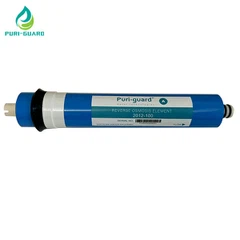
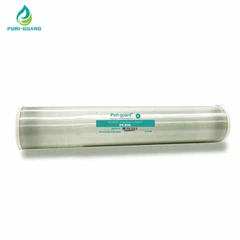
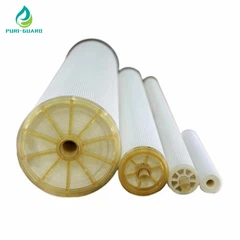
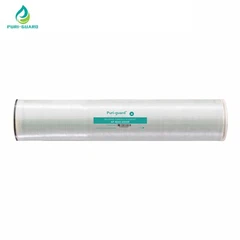
As a supplier of NF RO membranes, we offer a wide range of products to meet the diverse needs of our customers. Our Reverse Osmosis Nanofiltration membranes are designed to provide high performance and reliability in wastewater treatment applications. We also offer the NF 60 Membrane, which is specifically designed for industrial wastewater treatment, and the Residential NF Membrane, which is suitable for small-scale wastewater treatment applications, such as household water purification.
Conclusion
In conclusion, NF RO membranes can be effectively used for wastewater treatment in various applications, including industrial wastewater treatment, municipal wastewater treatment, and desalination. They offer many advantages, such as high efficiency, resource recovery, compact design, and environmental sustainability. Although there are some challenges, such as fouling, high energy consumption, and cost, these can be overcome through the use of advanced technologies and innovative solutions.
If you are interested in learning more about our NF RO membranes or discussing your wastewater treatment needs, please feel free to contact us. We are committed to providing high-quality products and excellent customer service to help you achieve your wastewater treatment goals.
References
- Cheryan, M. (1998). Ultrafiltration and Microfiltration Handbook. Technomic Publishing Company, Inc.
- Mulder, M. H. V. (1996). Basic Principles of Membrane Technology. Kluwer Academic Publishers.
- Strathmann, H. (2010). Synthetic Membranes: Science, Engineering and Applications. Springer.