
Water treatment is a crucial aspect of ensuring clean and safe water for various applications, from household use to industrial processes. Two popular methods in water purification are nanofiltration (NF) and reverse osmosis (RO). As a water nanofiltration supplier, I often encounter questions about the differences between these two technologies. In this blog, I will delve into the key disparities between water nanofiltration and reverse osmosis, exploring their working principles, performance, applications, and more.
Working Principles
Nanofiltration
Nanofiltration membranes have pores that are typically in the range of 1 to 10 nanometers. These membranes operate based on a combination of size exclusion and charge interaction. They can reject most multivalent ions, such as calcium, magnesium, and sulfate, as well as organic molecules with a molecular weight greater than about 200 - 500 Daltons. The charge on the membrane surface also plays a significant role in the separation process. For example, negatively charged nanofiltration membranes can repel negatively charged ions, enhancing the rejection of certain contaminants.
Reverse Osmosis
Reverse osmosis, on the other hand, uses a semi - permeable membrane with extremely small pores, typically less than 1 nanometer. RO works by applying pressure to overcome the osmotic pressure of the solution. This forces water molecules through the membrane while rejecting almost all dissolved salts, organic compounds, bacteria, and viruses. The separation is mainly based on size exclusion, as the pores are so small that only water molecules can pass through under the applied pressure.


Performance
Rejection of Contaminants
- Nanofiltration: Nanofiltration membranes are effective at removing a significant portion of multivalent ions, which are responsible for water hardness. They can also remove some organic matter, pesticides, and certain heavy metals. However, they have a lower rejection rate for monovalent ions such as sodium and chloride compared to reverse osmosis. For example, a typical nanofiltration membrane may reject 70 - 95% of multivalent ions and 20 - 80% of monovalent ions.
- Reverse Osmosis: RO membranes offer a much higher rejection rate for both monovalent and multivalent ions. They can reject over 95% of all dissolved salts, as well as almost all organic and inorganic contaminants. This makes RO water almost pure, with very low levels of total dissolved solids (TDS).
Water Recovery
- Nanofiltration: Nanofiltration systems generally have a higher water recovery rate compared to reverse osmosis. Water recovery is the percentage of the feed water that is converted into permeate (treated water). Nanofiltration systems can achieve water recovery rates of 70 - 90%, which means less water is wasted during the treatment process.
- Reverse Osmosis: RO systems typically have a lower water recovery rate, usually in the range of 30 - 75%. The lower recovery is due to the higher pressure required to force water through the dense RO membrane and the need to prevent scaling and fouling on the membrane surface.
Energy Consumption
- Nanofiltration: Nanofiltration requires less pressure to operate compared to reverse osmosis. As a result, the energy consumption of nanofiltration systems is generally lower. This makes nanofiltration a more energy - efficient option for applications where high - purity water is not required.
- Reverse Osmosis: RO systems need a much higher pressure to overcome the osmotic pressure and force water through the membrane. This leads to higher energy consumption, which can be a significant factor in large - scale water treatment applications.
Applications
Nanofiltration
- Household Use: Nanofiltration is suitable for household water treatment, especially in areas where the main concern is water hardness and the presence of some organic contaminants. Household NF systems can provide good - quality drinking water while retaining some beneficial minerals in the water.
- Food and Beverage Industry: In the food and beverage industry, nanofiltration is used for processes such as dairy product concentration, juice clarification, and desalination of food products. It can remove unwanted components while preserving the flavor and nutritional value of the products.
- Textile Industry: Nanofiltration is employed in the textile industry for dye recovery and wastewater treatment. It can separate dyes from water and other contaminants, allowing for the reuse of water and the recovery of valuable dyes.
Reverse Osmosis
- Desalination: Reverse osmosis is the most widely used technology for seawater and brackish water desalination. It can remove the high levels of salts and other contaminants in seawater, producing fresh water for drinking and industrial use.
- Pharmaceutical and Electronics Industries: These industries require extremely pure water for their manufacturing processes. Reverse osmosis is used to produce water with very low TDS and free of contaminants, meeting the strict quality standards of these industries.
- Power Generation: RO is used in power plants for boiler feed water treatment. Removing dissolved salts and other impurities from the water helps prevent scaling and corrosion in the boilers, improving their efficiency and lifespan.
Cost Considerations
Capital Cost
- Nanofiltration: The capital cost of a nanofiltration system is generally lower than that of a reverse osmosis system. This is because nanofiltration membranes are less expensive to manufacture, and the system components, such as pumps and pressure vessels, can be of a lower - pressure rating.
- Reverse Osmosis: RO systems require more expensive membranes and high - pressure pumps, which increase the initial investment cost. The additional equipment needed for pre - treatment and post - treatment also adds to the capital cost.
Operating Cost
- Nanofiltration: With lower energy consumption and higher water recovery rates, the operating cost of nanofiltration systems is relatively lower. The cost of membrane replacement is also generally lower compared to RO, as nanofiltration membranes are less prone to fouling and have a longer lifespan in some applications.
- Reverse Osmosis: The high energy consumption and lower water recovery rate of RO systems result in higher operating costs. The need for more frequent membrane replacement due to fouling and scaling also contributes to the overall operating cost.
Conclusion
In summary, water nanofiltration and reverse osmosis are two distinct water treatment technologies with their own advantages and disadvantages. Nanofiltration is a more cost - effective and energy - efficient option for applications where moderate water purification is required, such as household water treatment and some industrial processes. It can remove a significant amount of contaminants while retaining some beneficial minerals in the water. On the other hand, reverse osmosis offers a higher level of purification, making it suitable for applications where extremely pure water is needed, such as desalination and high - tech industries.
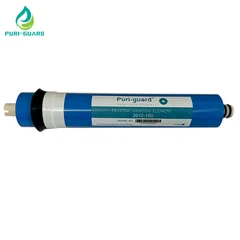
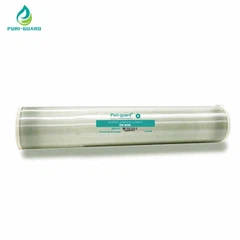
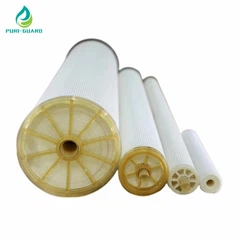
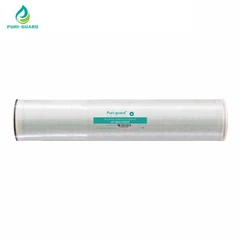
As a water nanofiltration supplier, I can offer a range of Reverse Osmosis Nanofiltration solutions, including the popular NF 8040 membranes. These products are designed to meet the diverse needs of our customers, providing reliable and efficient water treatment solutions.
If you are interested in learning more about our water nanofiltration products or need assistance in choosing the right water treatment technology for your application, please feel free to contact us for a detailed consultation. We are committed to providing high - quality products and excellent customer service to help you achieve your water treatment goals.
References
- Cheryan, M. (1998). Ultrafiltration and Microfiltration Handbook. Technomic Publishing.
- Mulder, M. (1996). Basic Principles of Membrane Technology. Kluwer Academic Publishers.
- Rosenberg, M. (2002). Membrane Filtration: Principles and Applications. Marcel Dekker.