


Hey there! As a supplier of SWRO (Seawater Reverse Osmosis) membranes, I often get asked about the flux rate of these membranes. So, I thought I'd take a moment to break it down for you in a way that's easy to understand.
First off, let's talk about what flux rate actually means. In simple terms, the flux rate of an SWRO membrane is the volume of water that passes through the membrane per unit area per unit time. It's usually measured in gallons per square foot per day (GFD) or liters per square meter per hour (LMH). This rate is super important because it determines how much clean, fresh water you can produce from seawater using the membrane.
The flux rate of an SWRO membrane can vary depending on a bunch of factors. One of the biggest factors is the pressure applied to the membrane. When you increase the pressure, more water is forced through the membrane, which generally leads to a higher flux rate. But there's a catch - if you apply too much pressure, it can damage the membrane and reduce its lifespan. So, finding the right balance is key.
Another factor that affects the flux rate is the temperature of the seawater. Generally, warmer water has a higher flux rate because the molecules are moving around more freely. Cold water, on the other hand, can slow down the flow of water through the membrane. This means that in colder climates, you might need to adjust your system to maintain an optimal flux rate.
The salinity of the seawater also plays a role. Seawater with a higher salt concentration is more difficult to filter, which can lower the flux rate. That's why it's important to pre - treat the seawater before it reaches the membrane to remove as many impurities and salts as possible. This not only helps to increase the flux rate but also extends the life of the membrane.
Now, let's take a look at some of the products we offer and how their flux rates might vary.
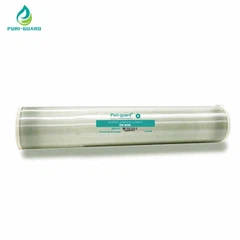
We have the Seawater RO membrane. This is a top - of - the - line product designed for high - performance seawater desalination. It has a relatively high flux rate compared to some other membranes on the market, which means you can produce more fresh water in less time. The design of the membrane allows for efficient water passage while still effectively rejecting salts and other contaminants.
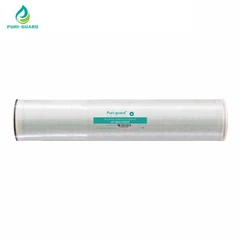
Our 8040 RO SW Membrane is another great option. It's a popular choice for medium - to - large - scale desalination plants. This membrane has been engineered to have a stable flux rate under different operating conditions. Whether you're dealing with slightly warmer or colder seawater, or seawater with a varying salt concentration, the 8040 RO SW Membrane can still deliver a consistent amount of clean water.
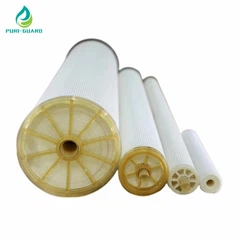
Then there's the SW30 2521. This is a smaller - sized membrane, often used in pilot plants or small - scale desalination projects. Despite its size, it has a decent flux rate. It's a great option for those who are just starting out with seawater desalination or for applications where space is limited.
To get the most out of your SWRO membrane and maintain an optimal flux rate, regular maintenance is crucial. You need to clean the membrane regularly to remove any fouling or scaling that might build up over time. Fouling can occur when particles, bacteria, or organic matter stick to the membrane surface, blocking the pores and reducing the flux rate. Scaling, on the other hand, happens when minerals in the seawater precipitate out and form a hard layer on the membrane.
There are different cleaning methods available, depending on the type and severity of the fouling or scaling. Chemical cleaning is often used, but it needs to be done carefully to avoid damaging the membrane. You can also use physical cleaning methods, like backwashing, which involves reversing the flow of water through the membrane to dislodge any debris.
If you're in the market for an SWRO membrane, it's important to consider the flux rate along with other factors such as cost, durability, and ease of maintenance. A membrane with a high flux rate might seem like the best choice at first glance, but if it's too expensive or difficult to maintain, it might not be the most practical option for your specific needs.
We're here to help you make the right decision. Our team of experts has years of experience in the seawater desalination industry and can provide you with all the information you need. Whether you're building a new desalination plant or looking to upgrade your existing system, we can recommend the best membrane for your situation.


If you're interested in learning more about our SWRO membranes or want to discuss your project in detail, don't hesitate to reach out. We're always happy to have a chat and see how we can help you achieve your water production goals. Whether you're a small business or a large corporation, we've got the right solution for you.
In conclusion, the flux rate of SWRO membranes is a critical factor in seawater desalination. It determines how much fresh water you can produce, and it's affected by various factors such as pressure, temperature, and salinity. By choosing the right membrane and maintaining it properly, you can ensure a consistent and efficient water production process.
If you're ready to take the next step and start your seawater desalination project, or if you just have some questions, contact us today. We're eager to work with you and help you get the most out of your SWRO membrane.
References
- "Seawater Reverse Osmosis Desalination: Current and Future Challenges" by various authors in the field of desalination research.
- Industry reports on membrane technology and seawater desalination processes.