
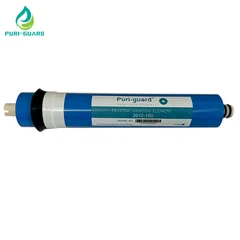
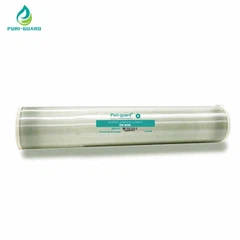
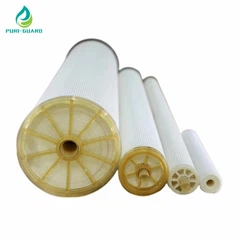
As a supplier of Household NF (Nanofiltration) products, I understand the importance of proper cleaning and maintenance to ensure the longevity and efficiency of these essential water treatment solutions. In this blog, I'll share some practical tips on how to clean Household NF products, which can help you maintain their performance and save costs in the long run.
Understanding Household NF Products
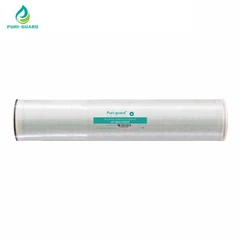
Before diving into the cleaning process, it's crucial to have a basic understanding of what Household NF products are. Nanofiltration is a membrane - based filtration process that can remove a wide range of contaminants from water, such as bacteria, viruses, and some dissolved salts. Common Household NF products include NF 40 Membrane, Nanofiltration NF 8040, and Residential NF Membrane. These membranes work by allowing water molecules to pass through while blocking larger particles and contaminants.


Over time, however, these membranes can become fouled with various substances, such as sediment, organic matter, and scale. Fouling can reduce the membrane's flux (the rate at which water passes through) and its rejection rate (the ability to block contaminants), leading to decreased performance and potentially higher energy consumption. Therefore, regular cleaning is essential to keep the membranes in optimal condition.
Pre - cleaning Preparation
- Shut down the system: Before starting the cleaning process, make sure to turn off the power supply to the NF system. This will prevent any accidental operation during the cleaning and ensure your safety.
- Drain the system: Open the drain valves to remove all the water from the system. This step is important because it allows you to access the membranes more easily and also helps to remove any loose debris.
- Gather cleaning supplies: You'll need a mild cleaning solution, a soft brush, and clean water. The cleaning solution should be specifically formulated for NF membranes to avoid damaging them. Avoid using harsh chemicals, such as bleach or strong acids, as they can degrade the membrane material.
Cleaning the Membranes
- Rinse the membranes: Use clean water to rinse the membranes thoroughly. This will help to remove any loose debris and sediment. You can use a low - pressure water stream to gently flush the membranes from both the feed side and the permeate side.
- Prepare the cleaning solution: Follow the manufacturer's instructions to prepare the cleaning solution. Usually, you'll need to mix the cleaning agent with water in the appropriate ratio. Make sure to use deionized or distilled water to avoid introducing additional contaminants.
- Circulate the cleaning solution: Use a pump to circulate the cleaning solution through the membrane system. The circulation time can vary depending on the degree of fouling, but typically it ranges from 30 minutes to a few hours. During the circulation, monitor the pressure and flow rate to ensure that the cleaning process is proceeding smoothly.
- Soak the membranes: After circulating the cleaning solution, let the membranes soak in the solution for an additional period, usually 1 - 2 hours. This will allow the cleaning agent to penetrate deeper into the membrane pores and dissolve stubborn contaminants.
- Rinse again: Once the soaking time is over, drain the cleaning solution and rinse the membranes thoroughly with clean water. Make sure to remove all traces of the cleaning solution to prevent any residual chemicals from affecting the membrane performance.
Cleaning the Housing and Other Components
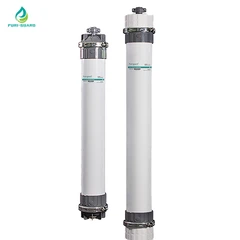
- Inspect the housing: Check the membrane housing for any signs of damage or fouling. If there is any visible debris or scale, use a soft brush to gently scrub the inside of the housing.
- Clean the valves and pipes: The valves and pipes in the NF system can also accumulate dirt and contaminants. Use a mild cleaning solution to clean these components, and then rinse them with clean water.
- Check the O - rings: Inspect the O - rings for any signs of wear or damage. If necessary, replace the O - rings to ensure a proper seal and prevent leaks.
Post - cleaning Checks
- Reassemble the system: Once all the components are clean, reassemble the NF system. Make sure to tighten all the connections properly to avoid leaks.
- Test the system: After reassembling the system, turn on the power supply and start the system. Check the pressure, flow rate, and water quality to ensure that the system is operating normally. If there are any abnormal readings, such as low pressure or poor water quality, further troubleshooting may be required.
Frequency of Cleaning
The frequency of cleaning depends on several factors, such as the quality of the feed water, the operating conditions, and the type of membrane. In general, it's recommended to clean the membranes at least once every 3 - 6 months. However, if the feed water is particularly dirty or if the system is operating under harsh conditions, more frequent cleaning may be necessary.
Tips for Preventing Fouling
- Pre - treatment of feed water: Install a pre - treatment system, such as a sediment filter or an activated carbon filter, to remove large particles and organic matter from the feed water before it enters the NF system. This can significantly reduce the fouling rate of the membranes.
- Proper system operation: Follow the manufacturer's instructions for operating the NF system. Avoid operating the system at high pressures or flow rates, as this can increase the risk of fouling.
- Regular monitoring: Monitor the system performance regularly, including the pressure, flow rate, and water quality. Any sudden changes in these parameters may indicate fouling or other problems, and prompt action should be taken.
Conclusion
Proper cleaning and maintenance of Household NF products are essential for ensuring their long - term performance and reliability. By following the steps outlined in this blog, you can effectively clean your NF membranes and other components, prevent fouling, and extend the lifespan of your system.
If you have any questions about cleaning your Household NF products or if you're interested in purchasing high - quality NF membranes and related products, please don't hesitate to contact us. We're here to provide you with professional advice and support to meet your water treatment needs.
References
- "Nanofiltration Membrane Technology: Principles and Applications", by X. Feng and Y. Huang.
- Manufacturer's manuals for Household NF products.
- Industry standards and guidelines for NF system operation and maintenance.