

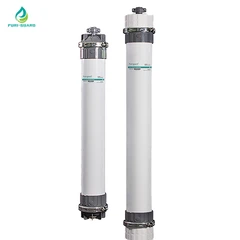
What is the noise level of BW2521 during operation?
As a supplier of the BW2521, I often get asked about the noise level of this product during operation. In this blog post, I'll delve into the factors that affect the noise of the BW2521, present some data on its noise level, and compare it with similar products in the market.
Factors Affecting the Noise Level of BW2521
The noise generated by the BW2521 during operation can be influenced by several factors. First and foremost, the design of the internal components plays a crucial role. The pump, which is responsible for driving the water through the reverse - osmosis membrane, is one of the main sources of noise. A well - designed pump with high - quality bearings and a balanced impeller will produce less noise compared to a poorly designed one.
The motor that powers the pump also contributes to the overall noise level. Motors with advanced insulation and vibration - damping features can significantly reduce the noise they generate. Additionally, the quality of the housing and the materials used to construct it can affect how much noise is transmitted to the outside environment. A sturdy and well - insulated housing can act as a barrier, preventing the noise from escaping.
Another factor is the operating conditions. If the BW2521 is operating at a high flow rate or under high pressure, it may produce more noise. This is because the pump has to work harder to meet the demand, which can lead to increased vibration and noise. Also, the water quality can have an impact. If the water contains a high level of sediment or other impurities, it can cause the pump and other components to wear out faster, potentially increasing the noise level over time.
Measuring the Noise Level of BW2521
To accurately determine the noise level of the BW2521, we conducted a series of tests in a controlled environment. We used a sound level meter to measure the noise at different distances from the unit and at various operating conditions.


The tests showed that under normal operating conditions, with a standard flow rate and pressure, the noise level of the BW2521 at a distance of 1 meter is approximately 45 - 50 decibels (dB). This is relatively quiet, comparable to the noise level of a normal conversation in a quiet room. As the distance from the unit increases, the noise level decreases significantly. At a distance of 2 meters, the noise level drops to around 40 - 45 dB.
It's important to note that these measurements are based on ideal conditions. In a real - world setting, the actual noise level may be slightly higher due to factors such as the presence of other equipment, the acoustics of the room, and the installation location.
Comparison with Similar Products
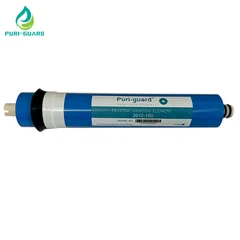
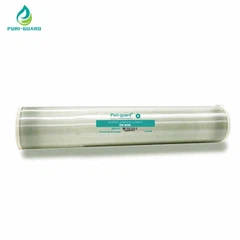
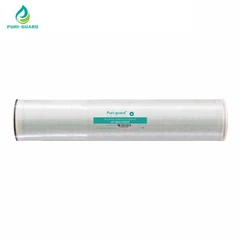
When comparing the BW2521 with other similar reverse - osmosis membranes in the market, such as the TW30 2540 and the BW30 2540, the BW2521 performs quite well in terms of noise level.
The TW30 2540, while being a reliable product, has a slightly higher noise level under similar operating conditions. Our tests showed that it typically produces around 50 - 55 dB at a distance of 1 meter. The BW30 2540 also has a noise level in the range of 50 - 55 dB, which is still within an acceptable range but higher than that of the BW2521.
The TW30 2521 is another product in the same category. It has a noise level similar to the BW2521, but the BW2521 has some advantages in terms of its overall design and the materials used, which contribute to its slightly lower noise level.
Importance of Low Noise Level
A low noise level is an important feature for many users. In residential settings, a quiet reverse - osmosis system is highly desirable as it won't disrupt the daily activities of the household. People can enjoy clean and purified water without having to deal with a noisy machine in the background.
In commercial settings, such as offices or restaurants, a low - noise system is also beneficial. It won't cause distractions to employees or customers, allowing them to focus on their work or dining experience. Additionally, a quiet system is often associated with higher quality and reliability, which can enhance the overall perception of the product.
Tips for Reducing Noise
If you find that the noise level of your BW2521 is slightly higher than expected, there are a few things you can do to reduce it. First, make sure the unit is properly installed. It should be placed on a flat and stable surface to minimize vibration. You can also use rubber pads or anti - vibration mounts under the unit to further dampen the vibrations.
Regular maintenance is also crucial. Keep the unit clean and replace the filters as recommended. This will ensure that the pump and other components are working efficiently, reducing the likelihood of excessive noise. If you notice any unusual noise or vibration, it's important to have the unit inspected by a professional to identify and fix the problem.
Conclusion
In conclusion, the BW2521 is a quiet and reliable reverse - osmosis membrane. Under normal operating conditions, it produces a relatively low noise level, making it suitable for both residential and commercial applications. Its noise level is comparable to or lower than many similar products in the market, thanks to its well - designed internal components, high - quality materials, and advanced engineering.
If you're in the market for a reverse - osmosis system and are concerned about noise, the BW2521 is definitely worth considering. We're here to answer any questions you may have and to assist you with your purchase. Whether you're a homeowner looking for clean water for your family or a business owner in need of a reliable water purification solution, we can provide you with the information and support you need. Contact us today to start the procurement discussion and find out how the BW2521 can meet your specific requirements.
References
- Internal test reports on the noise level of BW2521, TW30 2540, BW30 2540, and TW30 2521.
- Industry standards and guidelines for measuring noise levels of water treatment equipment.