

Hey there! As a supplier of NF membrane filters, I often get asked about the operating pressure of these nifty devices. So, let's dive right into it and break down what the operating pressure of an NF membrane filter is all about.
First off, what's an NF membrane filter? NF stands for nanofiltration. It's a type of filtration technology that sits between ultrafiltration and reverse osmosis. Nanofiltration membranes have pores that are small enough to reject many organic molecules, divalent ions, and some monovalent ions, while allowing water and certain smaller molecules to pass through. This makes them super useful for a variety of applications, from water treatment to food and beverage processing.
Now, the operating pressure of an NF membrane filter is a crucial factor. It's the force that drives the water or other liquid through the membrane. Without the right pressure, the filtration process won't work effectively.
The typical operating pressure range for NF membrane filters can vary quite a bit depending on several factors. Generally, it falls between 50 to 400 psi (pounds per square inch). But why such a wide range? Well, it all boils down to the specific application and the characteristics of the feed water or liquid.
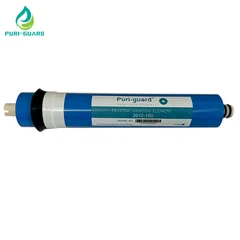
Let's start with the application. If you're using an NF membrane filter for Residential NF Membrane, the operating pressure is usually on the lower end of the spectrum. Residential systems are designed to be energy - efficient and user - friendly. Most home water treatment systems using NF membranes operate at around 50 - 150 psi. This lower pressure is sufficient to remove common contaminants like hardness, some heavy metals, and organic matter from the water supply. It also helps to keep the system running smoothly without putting too much strain on the membrane or the pump.
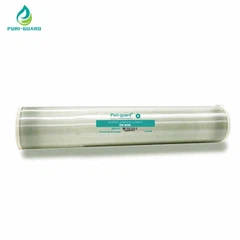
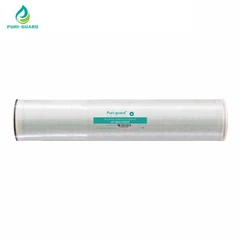
On the other hand, in industrial applications, the operating pressure can be much higher. For example, in Water Nanofiltration processes for large - scale water treatment plants or in the food and beverage industry, pressures can reach up to 400 psi. Industrial processes often deal with more complex feed solutions that contain higher concentrations of contaminants. Higher pressures are needed to force the liquid through the membrane and achieve the desired level of filtration.
The characteristics of the feed water also play a huge role in determining the operating pressure. If the feed water has a high concentration of dissolved solids or a high viscosity, more pressure will be required to push it through the membrane. For instance, water from a well with a high mineral content might need a higher operating pressure compared to water from a surface water source with lower mineral levels.
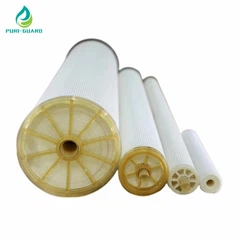
Another factor is the type of NF membrane being used. Different membranes have different pore sizes and surface properties, which can affect the pressure required for filtration. Some membranes are designed to operate more efficiently at lower pressures, while others are built to handle higher pressures for more challenging applications.
Now, let's talk about why getting the operating pressure right is so important. If the pressure is too low, the filtration rate will be slow, and the membrane might not be able to remove contaminants effectively. This can lead to poor water quality or product quality in industrial applications. On the flip side, if the pressure is too high, it can damage the membrane. Excessive pressure can cause the membrane to rupture or lead to compaction, which reduces its lifespan and filtration efficiency.
So, how do you determine the optimal operating pressure for your NF membrane filter? Well, it's a good idea to work with a professional. As a supplier, we have a team of experts who can analyze your specific needs, test your feed water, and recommend the right operating pressure for your system.
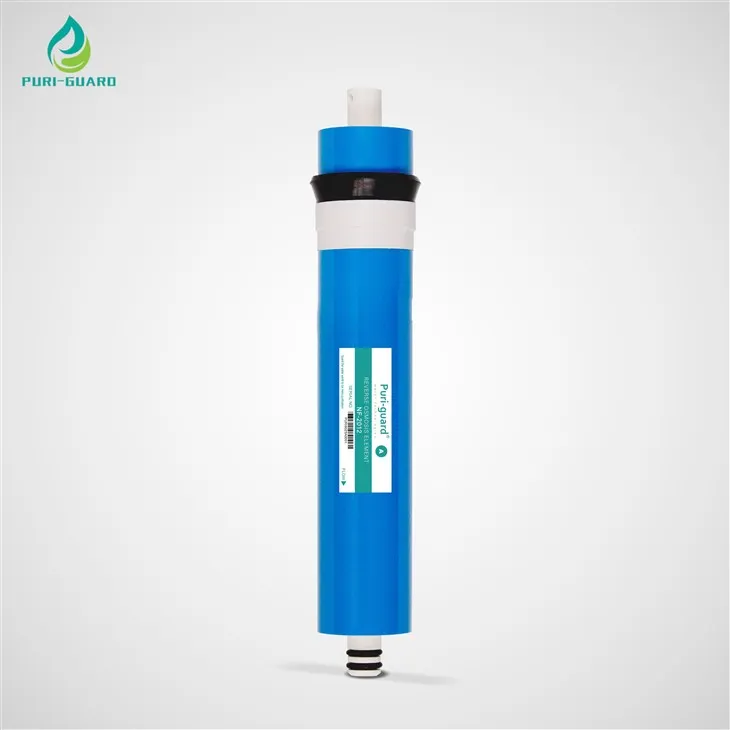
We also offer a range of Household NF and industrial NF membrane filters that are designed to operate within different pressure ranges. Our products are carefully engineered to provide reliable and efficient filtration, whether you're looking for a solution for your home or your business.
If you're in the market for an NF membrane filter, or if you have any questions about operating pressures or our products, don't hesitate to reach out. We're here to help you find the best solution for your filtration needs. Whether it's choosing the right membrane, setting up the system, or troubleshooting any issues, our team is ready to assist you every step of the way.

In conclusion, the operating pressure of an NF membrane filter is a key factor that depends on the application, feed water characteristics, and the type of membrane. By understanding these factors and working with a trusted supplier, you can ensure that your NF membrane filter operates at its best, providing you with high - quality filtration for years to come.
If you're interested in learning more about our NF membrane filters or have any questions regarding operating pressures, feel free to contact us. We're eager to have a chat and help you find the perfect solution for your filtration requirements. Let's work together to make your water or liquid filtration process as efficient and effective as possible.
References
- Cheryan, M. (1998). Ultrafiltration and Microfiltration Handbook. Technomic Publishing.
- Mulder, M. (1996). Basic Principles of Membrane Technology. Kluwer Academic Publishers.