
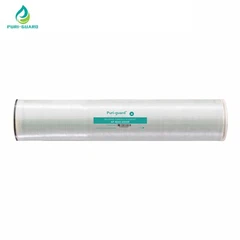
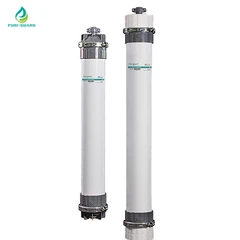
As a supplier specializing in Reverse Osmosis Nanofiltration (RO/NF) systems, I am often asked about the quality of water produced by these advanced filtration technologies. In this blog post, I will delve into the details of RO/NF water quality, exploring its characteristics, benefits, and applications.
Understanding Reverse Osmosis and Nanofiltration
Reverse osmosis is a water purification process that uses a semi - permeable membrane to remove ions, molecules, and larger particles from water. Under high pressure, water is forced through the membrane, leaving behind contaminants. Nanofiltration, on the other hand, is a similar process but with a slightly larger pore size compared to reverse osmosis. This allows some smaller ions and molecules to pass through while still removing a significant amount of contaminants.
Key Characteristics of RO/NF Produced Water
Low Total Dissolved Solids (TDS)
One of the most notable features of water produced by reverse osmosis and nanofiltration is its low TDS. TDS refers to the amount of inorganic and organic substances dissolved in water. RO systems can typically reduce TDS to very low levels, often below 10 ppm (parts per million), while NF systems can achieve a significant reduction, usually in the range of 50 - 90% depending on the membrane and the feed water quality. This low TDS water is ideal for applications where high - purity water is required, such as in the pharmaceutical, electronics, and power generation industries.


Removal of Contaminants
RO and NF membranes are highly effective at removing a wide range of contaminants, including heavy metals (such as lead, mercury, and arsenic), bacteria, viruses, pesticides, and most dissolved salts. For example, in areas where the water supply is contaminated with industrial pollutants or agricultural runoff, RO/NF systems can provide a reliable solution for producing clean and safe drinking water. The Water Nanofiltration technology we offer is designed to target specific contaminants and ensure high - quality water output.
Softened Water Quality
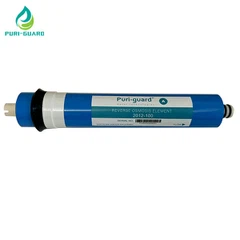
Nanofiltration is particularly effective at softening water. It can remove a significant portion of divalent ions such as calcium and magnesium, which are responsible for water hardness. By reducing water hardness, NF - treated water can prevent scale buildup in pipes, appliances, and industrial equipment, extending their lifespan and improving their efficiency. Our NF 60 Membrane is engineered to provide excellent water softening capabilities while maintaining a reasonable flow rate.
Benefits of Using RO/NF Produced Water
Health and Safety
The high - quality water produced by RO/NF systems is free from many harmful contaminants, making it safe for human consumption. In regions where the water supply is unreliable or contaminated, RO/NF systems can be a lifesaver. For instance, in developing countries or areas affected by natural disasters, portable RO/NF units can be deployed to provide clean drinking water quickly.
Industrial Applications
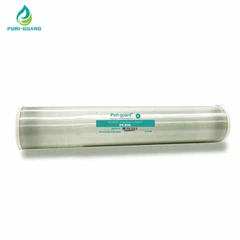
In industrial settings, the use of RO/NF water can improve product quality and production efficiency. For example, in the food and beverage industry, high - purity water is essential for maintaining the taste and quality of products. In the textile industry, RO/NF water can prevent the staining and discoloration of fabrics caused by impurities in the water. Our NF 4040 membrane is a popular choice for many industrial applications due to its high performance and durability.
Environmental Sustainability
RO/NF systems can contribute to environmental sustainability by reducing the need for bottled water. By producing high - quality water on - site, businesses and households can significantly reduce plastic waste. Additionally, the use of RO/NF water in industrial processes can reduce water consumption by enabling water recycling and reuse.
Factors Affecting RO/NF Water Quality
Feed Water Quality
The quality of the feed water has a significant impact on the quality of the water produced by RO/NF systems. If the feed water contains high levels of suspended solids, organic matter, or certain chemicals, it can foul the membranes and reduce their performance. Therefore, proper pre - treatment of the feed water is essential to ensure the long - term operation and high - quality output of RO/NF systems.
Membrane Type and Condition
Different types of RO and NF membranes have different rejection rates and performance characteristics. The choice of membrane depends on the specific contaminants to be removed and the desired water quality. Additionally, the condition of the membrane, including its age, fouling level, and chemical degradation, can also affect the water quality. Regular maintenance and membrane replacement are necessary to maintain optimal performance.
Operating Conditions
The operating conditions of RO/NF systems, such as pressure, temperature, and flow rate, can influence the water quality. For example, higher operating pressure can increase the rejection rate of contaminants, but it may also increase the risk of membrane damage. Therefore, it is important to operate the systems within the recommended parameters to achieve the best water quality.
Applications of RO/NF Water
Drinking Water Production
RO/NF systems are widely used for producing drinking water in both residential and commercial settings. In areas with high - quality water sources, RO/NF can be used as a polishing step to remove any remaining contaminants and improve the taste of the water. In areas with poor - quality water sources, RO/NF can be the primary treatment method to make the water safe for consumption.
Industrial Process Water
Many industries require high - purity water for their production processes. RO/NF systems can provide the necessary water quality for industries such as electronics, pharmaceuticals, power generation, and food and beverage. For example, in the semiconductor industry, ultra - pure water is required for the manufacturing of microchips, and RO/NF systems are an essential part of the water purification process.
Desalination
RO is the most commonly used technology for desalinating seawater and brackish water. By removing the high levels of salts and other contaminants in seawater, RO systems can provide a reliable source of fresh water in arid regions or areas with limited freshwater resources.
Conclusion
In conclusion, the water produced by reverse osmosis and nanofiltration is of high quality, characterized by low TDS, removal of contaminants, and often softened water. These technologies offer numerous benefits in terms of health, industrial applications, and environmental sustainability. However, the quality of RO/NF water is affected by factors such as feed water quality, membrane type and condition, and operating conditions.
If you are interested in learning more about our Reverse Osmosis Nanofiltration products or are considering a purchase for your specific application, we welcome you to contact us for a detailed discussion. Our team of experts is ready to provide you with customized solutions based on your water quality requirements.
References
- Cheryan, M. (1998). Ultrafiltration and Microfiltration Handbook. Technomic Publishing Company.
- Mulder, M. (1996). Basic Principles of Membrane Technology. Kluwer Academic Publishers.
- Porter, M. C. (1990). Handbook of Industrial Membrane Technology. Noyes Publications.