

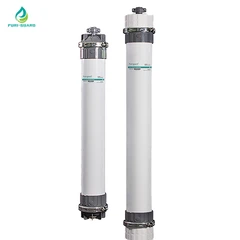
Hey there! I'm a supplier of NF membrane filters, and today I wanna chat about the role these little wonders play in seawater purification.
Seawater is a vast resource, but it's no good for most of our daily uses right out of the ocean. It's chock - full of all sorts of stuff like salts, minerals, and even some harmful contaminants. That's where NF membrane filters come in.
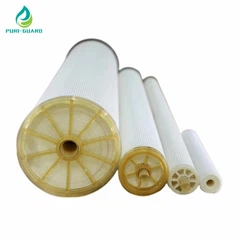
First off, let's understand what NF stands for. It's nanofiltration. Nanofiltration membranes are like super - fine sieves. They have tiny pores that are just the right size to let some things through while blocking others. Compared to other filtration methods, NF membrane filters offer a sweet spot in terms of filtration precision and energy consumption.
One of the main roles of NF membrane filters in seawater purification is desalination. Seawater has a high salt content, and drinking it or using it for industrial processes can cause a whole bunch of problems. NF membranes can remove a significant amount of salts, especially divalent salts like calcium and magnesium. These salts are responsible for a lot of the hardness in water. By reducing their concentration, the water becomes more suitable for various applications.
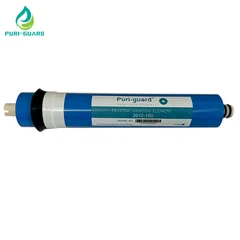
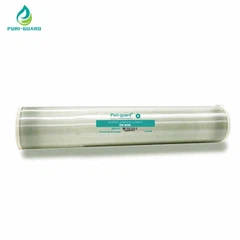
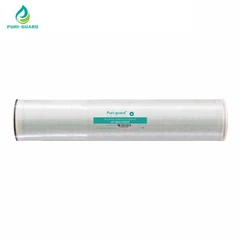
For example, in some coastal regions where freshwater is scarce, seawater desalination plants use NF membrane filters as a pre - treatment step. The NF 60 Membrane [/nf-membrane/nf-membrane-filter/nf-60-membrane.html] is a great option here. It can effectively reject a large portion of the salts, making the subsequent reverse osmosis (RO) process more efficient. RO is a more energy - intensive process, and by pre - treating the seawater with NF membranes, we can reduce the load on the RO system, save energy, and increase the overall lifespan of the RO membranes.
Another important role is the removal of contaminants. Seawater can be contaminated with all kinds of things, including heavy metals, pesticides, and microorganisms. NF membrane filters can trap many of these contaminants. The pores in the NF membranes are small enough to block larger molecules and particles, while still allowing water molecules to pass through. This means that we can get cleaner, safer water from the ocean.
The NF RO Membrane [/nf-membrane/nf-membrane-filter/nf-ro-membrane.html] combines the benefits of both nanofiltration and reverse osmosis. It offers a high level of filtration efficiency, removing a wide range of contaminants from seawater. This type of membrane is particularly useful in areas where the seawater is highly polluted.
Water Nanofiltration [/nf-membrane/nf-membrane-filter/water-nanofiltration.html] also helps in softening the water. Soft water is much better for our daily use. It doesn't leave behind scale in pipes and appliances, which can extend their lifespan. In industrial processes, soft water can improve the quality of products and reduce maintenance costs. NF membrane filters can achieve this by selectively removing the ions that cause water hardness.
Now, let's talk about how NF membrane filters work in a practical seawater purification system. Usually, the seawater first goes through a pre - filtration step to remove large particles like sand and debris. Then, it enters the NF membrane filtration unit. Here, the water is forced through the membranes under pressure. The membranes act as barriers, allowing only the water and some small molecules to pass through, while holding back the salts and contaminants.
The permeate, which is the water that has passed through the membranes, is much cleaner and has a lower salt content. This water can then be further treated or used directly, depending on the requirements. The concentrate, which contains the rejected salts and contaminants, is usually disposed of properly.
In the food and beverage industry, NF membrane filters are also used in seawater purification. For example, some seafood processing plants need large amounts of clean water. By using NF membrane filters to purify seawater, they can ensure the quality and safety of their products. The water used in the processing can be free from harmful substances, which is crucial for maintaining the high standards of the food industry.
In the pharmaceutical industry, pure water is essential. Seawater can be a potential source of water, but it needs to be purified to meet the strict requirements of the pharmaceutical processes. NF membrane filters can play a key role in this purification process. They can remove impurities and contaminants, providing a high - quality water source for the production of drugs and medical products.
One of the advantages of using NF membrane filters in seawater purification is their relatively low energy consumption compared to some other methods. As I mentioned earlier, they can be used as a pre - treatment step, which reduces the overall energy requirements of the purification process. This is not only good for the environment but also for the cost - effectiveness of the seawater purification plants.
However, like any technology, NF membrane filters also have some limitations. One of the main challenges is membrane fouling. Over time, the membranes can get clogged with the salts and contaminants that they are supposed to remove. This can reduce the filtration efficiency and increase the pressure requirements. To overcome this problem, regular cleaning and maintenance are necessary. There are also some advanced membrane materials and surface modifications being developed to reduce fouling and improve the performance of NF membrane filters.
Another limitation is the selectivity. While NF membrane filters can remove a significant amount of salts and contaminants, they may not be able to remove all of them. In some cases, additional treatment steps may be required to achieve the desired water quality.
Despite these limitations, the role of NF membrane filters in seawater purification is undeniable. They are an important part of the solution to the global water shortage problem. As the demand for freshwater continues to grow, especially in coastal areas, the use of seawater as a water source will become more and more important. And NF membrane filters will play a crucial role in making this seawater usable.
If you're in the business of seawater purification, whether it's for a large - scale desalination plant, a food processing facility, or a pharmaceutical company, we have a wide range of NF membrane filters to meet your needs. Our team of experts can help you choose the right membranes and provide you with the technical support you need. We're committed to providing high - quality products and excellent service.
If you're interested in learning more about our NF membrane filters or want to discuss a potential purchase, don't hesitate to get in touch. We'd be more than happy to have a chat with you and see how we can help you with your seawater purification needs.


References
- "Nanofiltration Membranes: Principles and Applications" - This book provides in - depth knowledge about the principles of nanofiltration and its various applications, including seawater purification.
- Research papers on seawater desalination and membrane filtration published in scientific journals such as "Journal of Membrane Science" and "Desalination". These papers cover the latest developments in the field of NF membrane filters and their use in seawater purification.