
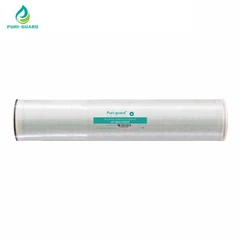
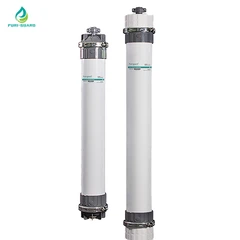
Industrial reverse osmosis (RO) membranes are crucial components in water treatment systems, widely used to remove impurities and contaminants from water. However, over time, these membranes can experience performance degradation, which can lead to reduced water quality, lower production rates, and increased operating costs. As an industrial RO membrane supplier, I understand the challenges that come with membrane performance degradation and have developed effective strategies to address this issue. In this blog post, I will share some insights on how to deal with the performance degradation of industrial RO membranes.
Understanding the Causes of Performance Degradation
Before we can address the performance degradation of industrial RO membranes, it is essential to understand the underlying causes. Several factors can contribute to membrane fouling and degradation, including:


- Scaling: Scaling occurs when dissolved minerals in the feed water precipitate and form a hard layer on the membrane surface. This layer can reduce the membrane's permeability and increase the pressure drop across the membrane, leading to decreased water production and increased energy consumption.
- Fouling: Fouling is the accumulation of organic and inorganic materials on the membrane surface, which can block the pores and reduce the membrane's flux. Common foulants include bacteria, algae, silt, and colloids.
- Chemical Degradation: Chemical degradation can occur when the membrane is exposed to harsh chemicals, such as chlorine, acids, or bases. These chemicals can damage the membrane material and reduce its performance.
- Physical Damage: Physical damage to the membrane can occur during installation, operation, or maintenance. This can include scratches, tears, or punctures, which can compromise the membrane's integrity and lead to leakage.
Monitoring and Diagnosis
Regular monitoring and diagnosis are essential to detect and address membrane performance degradation early. Here are some key parameters to monitor:
- Water Quality: Monitor the quality of the feed water, permeate water, and concentrate water regularly. Changes in water quality parameters, such as conductivity, pH, and turbidity, can indicate membrane fouling or degradation.
- Flux and Pressure: Monitor the membrane flux (water production rate) and pressure drop across the membrane regularly. A decrease in flux or an increase in pressure drop can indicate membrane fouling or scaling.
- Rejection Rate: Monitor the rejection rate of the membrane, which is the percentage of contaminants removed from the feed water. A decrease in rejection rate can indicate membrane degradation or fouling.
- Membrane Integrity: Periodically test the membrane integrity to detect any leaks or damage. This can be done using a pressure decay test or a tracer test.
Preventive Maintenance
Preventive maintenance is crucial to minimize membrane performance degradation and extend the membrane's lifespan. Here are some preventive maintenance measures:
- Pre-Treatment: Implement an effective pre-treatment system to remove suspended solids, colloids, and organic matter from the feed water. This can include filtration, sedimentation, and chemical treatment.
- Anti-Scaling and Anti-Fouling Chemicals: Use anti-scaling and anti-fouling chemicals to prevent the formation of scale and fouling on the membrane surface. These chemicals can be added to the feed water or injected directly into the membrane system.
- Regular Cleaning: Develop a regular cleaning schedule to remove fouling and scaling from the membrane surface. This can include chemical cleaning, physical cleaning, or a combination of both.
- Proper Storage and Handling: Store and handle the membranes properly to prevent physical damage and chemical degradation. Follow the manufacturer's recommendations for storage temperature, humidity, and handling procedures.
Cleaning and Restoration
If membrane performance degradation is detected, prompt cleaning and restoration are necessary to restore the membrane's performance. Here are some cleaning and restoration methods:
- Chemical Cleaning: Chemical cleaning is the most common method used to remove fouling and scaling from the membrane surface. The choice of cleaning chemicals depends on the type of foulant and the membrane material. Common cleaning chemicals include acids, bases, detergents, and enzymes.
- Physical Cleaning: Physical cleaning methods, such as backwashing, air scouring, and mechanical cleaning, can be used to remove loose foulants from the membrane surface. These methods are often used in combination with chemical cleaning.
- Membrane Restoration: In some cases, membrane restoration may be necessary to repair physical damage or chemical degradation. This can include membrane patching, replacement of damaged membrane elements, or chemical treatment to restore the membrane's performance.
Choosing the Right Membrane
Choosing the right membrane is crucial to ensure optimal performance and minimize membrane performance degradation. Here are some factors to consider when choosing an industrial RO membrane:
- Feed Water Quality: The quality of the feed water, including the type and concentration of contaminants, will determine the type of membrane required. For example, if the feed water contains high levels of hardness, a membrane with high rejection of divalent ions, such as the XLE 4040 Membrane, may be required.
- Operating Conditions: The operating conditions, such as temperature, pressure, and flow rate, will also affect the choice of membrane. For example, if the operating temperature is high, a membrane with high temperature resistance, such as the BW 4040, may be required.
- Membrane Material: The membrane material will determine the membrane's chemical resistance, mechanical strength, and fouling resistance. Common membrane materials include polyamide, cellulose acetate, and thin-film composite.
- Membrane Configuration: The membrane configuration, such as spiral-wound, hollow fiber, or tubular, will also affect the membrane's performance and application. Spiral-wound membranes are the most common type used in industrial RO systems due to their high surface area and compact design.
Conclusion
Dealing with the performance degradation of industrial RO membranes requires a comprehensive approach that includes monitoring, diagnosis, preventive maintenance, cleaning, and restoration. By understanding the causes of membrane performance degradation and implementing effective strategies to address them, you can ensure optimal membrane performance, extend the membrane's lifespan, and reduce operating costs. As an industrial RO membrane supplier, I am committed to providing high-quality membranes and technical support to help you overcome membrane performance challenges. If you have any questions or need assistance with your RO membrane system, please feel free to contact us for a consultation.
References
- Cheryan, M. (1998). Ultrafiltration and Microfiltration Handbook. Technomic Publishing.
- Mulder, M. (1996). Basic Principles of Membrane Technology. Kluwer Academic Publishers.
- Porter, M. C. (1997). Handbook of Industrial Membrane Technology. Noyes Publications.