

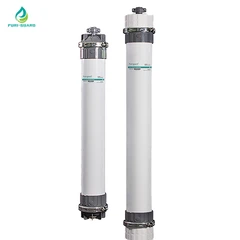
Nanofiltration (NF) membrane filters play a crucial role in various industries, including water treatment, food and beverage processing, pharmaceuticals, and more. As a leading NF membrane filter supplier, I am often asked about the materials used to make these filters. In this blog post, I will delve into the different materials commonly employed in the production of NF membrane filters, their properties, and how they contribute to the filter's performance.
Polymer-Based Materials
Polymer-based materials are the most widely used in the manufacturing of NF membrane filters due to their versatility, cost-effectiveness, and ease of processing. Some of the commonly used polymers include:
Polyamide
Polyamide is one of the most popular materials for NF membrane filters. It is known for its excellent chemical resistance, high rejection rates for divalent ions, and good mechanical strength. Polyamide membranes are typically prepared through a process called interfacial polymerization, where a thin polyamide layer is formed on a porous support membrane. This thin layer is responsible for the separation properties of the NF membrane, allowing water molecules to pass through while rejecting larger solutes and contaminants.
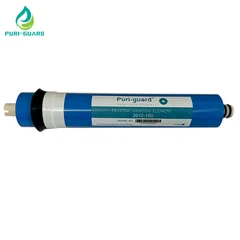
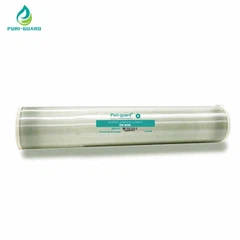
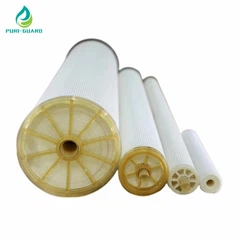
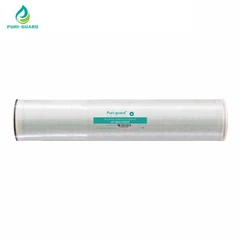
The Nanofiltration NF 8040 is an example of a polyamide-based NF membrane filter. It offers high flux and excellent rejection of divalent salts, making it suitable for a wide range of applications, including water softening, desalination, and the removal of organic compounds.
Polysulfone
Polysulfone is another commonly used polymer in NF membrane filters. It has good thermal and chemical stability, as well as high mechanical strength. Polysulfone membranes are often used as support membranes for the thin polyamide layer in composite NF membranes. They provide a stable structure for the polyamide layer and help to maintain the integrity of the membrane during operation.
The NF 40 Membrane is a polysulfone-based NF membrane filter that offers high flux and good rejection of divalent ions. It is suitable for applications such as water treatment, food and beverage processing, and pharmaceutical manufacturing.
Polyethersulfone
Polyethersulfone is a variation of polysulfone that offers improved chemical resistance and thermal stability. It is often used in applications where the membrane needs to withstand harsh chemical environments or high temperatures. Polyethersulfone membranes are also commonly used as support membranes in composite NF membranes.
Inorganic Materials
In addition to polymer-based materials, inorganic materials are also used in the production of NF membrane filters. Inorganic membranes offer several advantages over polymer membranes, including high thermal and chemical stability, resistance to fouling, and long service life. Some of the commonly used inorganic materials include:
Ceramic
Ceramic membranes are made from inorganic materials such as alumina, zirconia, or titania. They have a porous structure that allows for the separation of different components based on their size and charge. Ceramic membranes are known for their high mechanical strength, chemical resistance, and thermal stability, making them suitable for applications in harsh environments.
Ceramic NF membranes are often used in the food and beverage industry for the clarification and concentration of juices, milk, and other liquid products. They are also used in the pharmaceutical industry for the purification of drugs and the separation of proteins.
Carbon
Carbon membranes are made from carbon-based materials such as activated carbon or carbon nanotubes. They have a high surface area and a porous structure that allows for the adsorption and separation of different components. Carbon membranes are known for their excellent adsorption properties, chemical resistance, and thermal stability.
Carbon NF membranes are often used in the water treatment industry for the removal of organic contaminants, heavy metals, and other pollutants. They are also used in the gas separation industry for the separation of different gases based on their size and solubility.
Hybrid Materials
Hybrid materials combine the advantages of both polymer-based and inorganic materials. They are designed to overcome the limitations of individual materials and offer improved performance in terms of separation efficiency, fouling resistance, and mechanical strength. Some of the commonly used hybrid materials include:


Polymer-Inorganic Composites
Polymer-inorganic composites are made by incorporating inorganic particles or fibers into a polymer matrix. The inorganic component provides the membrane with improved mechanical strength, chemical resistance, and thermal stability, while the polymer component provides the membrane with flexibility and ease of processing.
Polymer-inorganic composite NF membranes are often used in applications where the membrane needs to withstand harsh chemical environments or high temperatures. They are also used in applications where the membrane needs to have high flux and good rejection properties.
Organic-Inorganic Hybrid Membranes
Organic-inorganic hybrid membranes are made by combining organic and inorganic materials at the molecular level. They offer a unique combination of properties, such as high selectivity, good permeability, and resistance to fouling. Organic-inorganic hybrid membranes are often used in applications where the membrane needs to have high performance and long service life.
Factors Affecting Material Selection
The selection of the material for an NF membrane filter depends on several factors, including the application requirements, the operating conditions, and the cost. Some of the key factors to consider when selecting a material for an NF membrane filter include:
Separation Efficiency
The separation efficiency of the membrane is one of the most important factors to consider. It is determined by the pore size, surface charge, and chemical properties of the membrane. The membrane should have a pore size that is small enough to reject the target solutes while allowing water molecules to pass through. It should also have a surface charge that is opposite to the charge of the target solutes to enhance the rejection efficiency.
Fouling Resistance
Fouling is a major problem in NF membrane filtration. It occurs when the membrane surface becomes clogged with contaminants, reducing the flux and the separation efficiency of the membrane. The material of the membrane should have good fouling resistance to minimize the need for frequent cleaning and maintenance.
Chemical and Thermal Stability
The membrane should be able to withstand the chemical and thermal conditions of the application. It should be resistant to chemicals such as acids, bases, and solvents, as well as high temperatures. The material of the membrane should also have good mechanical strength to prevent it from breaking or tearing during operation.
Cost
The cost of the membrane is another important factor to consider. The material of the membrane should be cost-effective while still meeting the performance requirements of the application. Polymer-based membranes are generally more cost-effective than inorganic membranes, but they may not offer the same level of performance in terms of chemical and thermal stability.
Conclusion
In conclusion, NF membrane filters are made from a variety of materials, including polymers, inorganic materials, and hybrid materials. Each material has its own unique properties and advantages, and the selection of the material depends on the specific application requirements. As a leading NF membrane filter supplier, we offer a wide range of membrane filters made from different materials to meet the diverse needs of our customers.
If you are interested in learning more about our NF membrane filters or would like to discuss your specific application requirements, please feel free to contact us. Our team of experts will be happy to assist you in selecting the right membrane filter for your needs and provide you with the best possible solution.
References
- Baker, R. W. (2012). Membrane Technology and Applications. John Wiley & Sons.
- Mulder, M. (1996). Basic Principles of Membrane Technology. Kluwer Academic Publishers.
- Strathmann, H. (2010). Synthetic Membranes: Science, Engineering and Applications. Elsevier.