
As a supplier of residential RO membrane systems, I've received numerous inquiries about adapting these systems for use in RVs or boats. While residential RO membrane systems are designed for stationary homes, with a few modifications, they can be effectively utilized in mobile or marine environments. In this blog post, I'll discuss the necessary modifications to make a residential RO membrane system suitable for an RV or boat.
Understanding the Basics of a Residential RO Membrane System
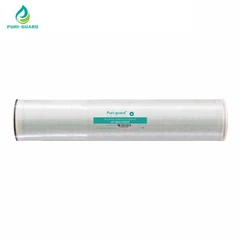
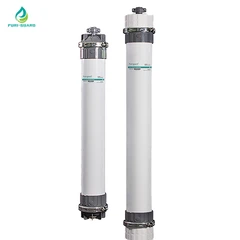
Before delving into the modifications, it's essential to understand the basic components of a residential RO membrane system. A typical residential RO system consists of a pre - filter, a high - pressure pump, an RO membrane, a post - filter, and a storage tank. The pre - filter removes large particles such as sediment and chlorine from the incoming water, protecting the RO membrane. The high - pressure pump increases the water pressure to force water through the semi - permeable RO membrane, which removes dissolved salts, heavy metals, and other contaminants. The post - filter further polishes the water, improving its taste and odor. The storage tank stores the purified water for later use.
Modifications for Space and Mobility
Compact Design
RVs and boats have limited space. Residential RO systems are often bulky and may not fit well in these confined areas. Therefore, the first modification is to downsize the system. Look for smaller components, especially the storage tank. Some residential RO systems come with large storage tanks that are not practical for an RV or boat. You can opt for a smaller, more compact storage tank that can still hold an adequate amount of purified water for your needs.
Vibration and Shock Resistance
RVs and boats are constantly in motion. The vibrations and shocks from driving on rough roads or sailing on choppy waters can damage the delicate components of a residential RO system. To make the system more durable, use vibration - absorbing materials. For example, place rubber pads under the high - pressure pump and the storage tank to reduce the impact of vibrations. Secure all components tightly to prevent them from moving around.
Water Source and Pressure Considerations
Variable Water Sources
In an RV or boat, the water source can vary greatly. You might be using water from a freshwater lake, a marina tap, or even rainwater. Residential RO systems are usually designed to work with a relatively consistent water source, such as a municipal water supply. Therefore, you need to be more flexible with the pre - filtration. Consider adding additional pre - filters to handle different water qualities. For instance, if you're likely to encounter water with high sediment content, a sediment pre - filter with a finer micron rating can be added.
Pressure Regulation
The water pressure in an RV or boat may not be as stable as in a residential setting. A low water pressure can prevent the RO membrane from functioning properly, while high pressure can damage the membrane. Install a pressure regulator at the inlet of the RO system. This device will ensure that the water pressure entering the system remains within the optimal range for the RO membrane. Many residential RO systems have a recommended operating pressure, and the pressure regulator will help maintain it.
Power Supply Adaptation
DC Power Compatibility
Most residential RO systems are designed to run on AC power, which is readily available in homes. However, RVs and boats often rely on DC power from batteries or solar panels. You need to modify the power supply of the RO system to make it compatible with DC power. Some manufacturers offer converters or DC - powered high - pressure pumps that can be used to replace the AC - powered ones in the residential RO system.
Energy Efficiency
In an RV or boat, power is a precious resource. Therefore, the RO system should be as energy - efficient as possible. Look for an RO membrane and high - pressure pump combination that requires less power to operate. Some modern RO membranes are designed to have a higher water - to - waste ratio and lower energy consumption, making them ideal for RV and boat applications.
Additional Protection Against Corrosion
Saltwater Exposure
If you're using the RO system on a boat, there's a high risk of saltwater exposure. Saltwater is highly corrosive and can damage the metal components of the RO system. To protect the system, use corrosion - resistant materials. For example, choose stainless - steel or plastic pipes instead of copper pipes. Additionally, coat the metal parts with a corrosion - resistant paint or coating.


Humid Environment
Both RVs and boats can have a humid environment, which can also lead to corrosion and mold growth. Ensure that the RO system is well - ventilated. You can use moisture - absorbing materials inside the enclosure of the RO system to reduce humidity. Regularly inspect the system for signs of corrosion or mold and clean it as needed.
Choosing the Right RO Membrane
Flow Rate
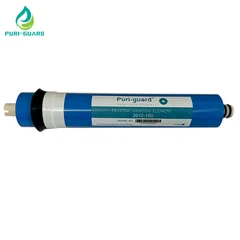
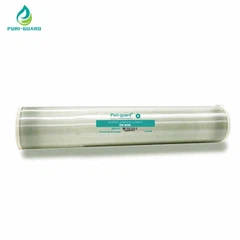
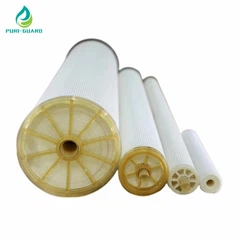
When selecting an RO membrane for an RV or boat, consider the flow rate. The flow rate of a membrane is usually measured in gallons per day (GPD). Smaller RVs or boats may only need a lower flow rate membrane, such as the RO 1812 75. This membrane has a relatively low flow rate but is compact and suitable for limited - water - consumption applications. For larger RVs or boats with higher water demands, a 80 GPD or even a 600 GPD RO Membrane might be more appropriate.
Water Quality
The type of contaminants in the water source also influences the choice of RO membrane. If you're dealing with water high in certain contaminants, such as heavy metals or fluoride, choose a membrane that is specifically designed to remove those substances.
Conclusion
Adapting a residential RO membrane system for use in an RV or boat requires several modifications to account for the unique challenges of these environments. From space and mobility considerations to water source variability, power supply, and corrosion protection, each aspect needs to be carefully addressed. By making the right modifications and choosing the appropriate components, you can enjoy clean, purified water on your RV adventures or boat trips.
If you're interested in purchasing a residential RO membrane system for your RV or boat, or if you have any questions about the modifications needed, feel free to contact us for a detailed discussion. We're here to help you find the best solution for your water purification needs.
References
- Water Quality Association. (2023). Reverse Osmosis Systems: Principles and Applications.
- American Water Works Association. (2022). Handbook of Water Supply and Treatment.