
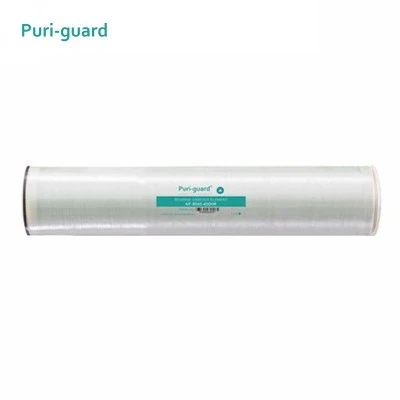
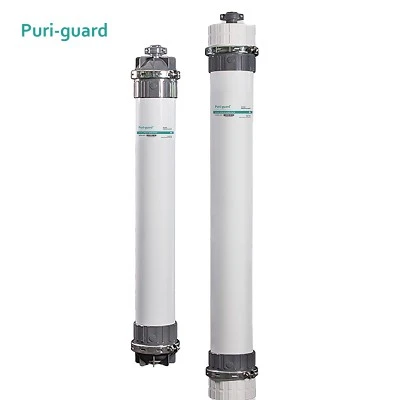
As the core process in the field of modern water treatment, the operating efficiency and equipment life of reverse osmosis technology are directly related to the overall performance of the water treatment system. This article deeply analyzes the reverse osmosis system from the dimensions of technical principles, operating parameters, energy-saving measures and membrane element selection, and provides a scientific and data-based management guide for operation and maintenance managers.
1. Reverse osmosis technology principle and membrane action
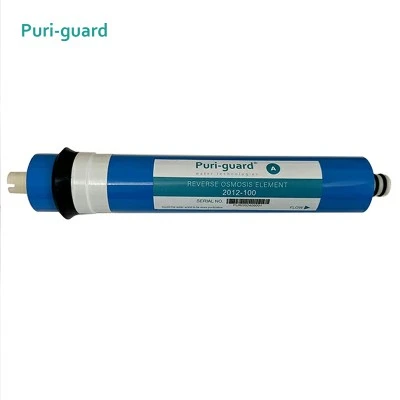
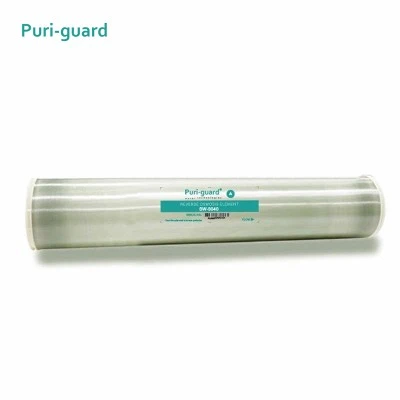
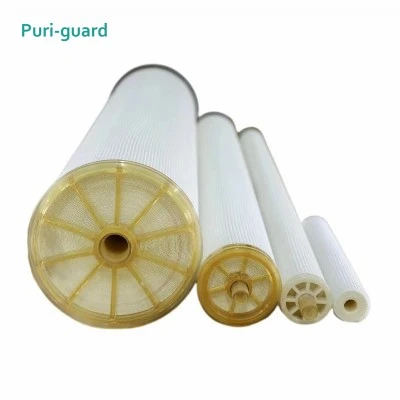
Reverse osmosis technology is based on the screening principle of semipermeable membranes. When the pressure difference acting on both sides of the semipermeable membrane is higher than the osmotic pressure of the solution, the solvent (such as water) naturally penetrates from the low concentration side to the high concentration side through the semipermeable membrane, while other substances are retained, thereby achieving the separation of substances and water. As a core component, the reverse osmosis membrane can effectively remove dissolved salts, colloids, microorganisms and organic matter in water, ensuring that the effluent water quality meets the strict requirements of drinking standards or industrial water.
2. Comparison of key operating parameters
- Conventional reverse osmosis membrane: The operating pressure is usually maintained at 1.3-1.5 MPa, and the desalination rate and water output of the membrane element within this pressure range reach a balanced state.
- Ultra-low pressure reverse osmosis membrane: By optimizing membrane materials and structural design, stable operation at 0.8 MPa or even lower pressure (closely related to water temperature) can be achieved. Under the same water production conditions, ultra-low pressure membrane can significantly reduce water pump power consumption and reduce electricity consumption.
3. Energy-saving optimization measures
1) High-pressure pump with inverter: The speed of the water pump is adjusted by the inverter to achieve precise control of the operating pressure. Slow down the water hammer impact at startup to avoid equipment damage; by setting a reasonable operating pressure (such as 1.2 MPa), reduce valve throttling energy consumption, and the comprehensive energy saving effect can reach 15%-20%.
2) Optimization of scale inhibitor addition: According to the total dissolved solids (TDS) in the influent water and the parameters of the membrane element, the scale inhibitor dosage is reasonably calculated. Empirical data shows that accurate dosage can reduce the cost of the agent by 20% or even higher, while avoiding the risk of scaling of the membrane element caused by excessive dosage.
3) Water temperature control strategy: When the water temperature exceeds 45°C, the performance of the membrane material decreases significantly and the service life is shortened. It is recommended to control the inlet water temperature below 40℃ to ensure efficient operation of the membrane elements and reduce cooling energy consumption.
4) Wastewater control: When the concentrated water discharged from the RO system contains strong oxidizing substances or easily precipitated substances, it is necessary to recycle and treat it in time or adjust the discharge strategy to avoid irreversible damage to the membrane elements.
4. Breakthrough in anti-pollution reverse osmosis membrane technology
The new generation of anti-pollution reverse osmosis membrane has the following technical advantages:
- High desalination rate: The interception rate of divalent and above ions exceeds 98%, meeting the high standard water quality requirements.
- High water output: The water output is increased by 20% at a pressure of 0.8 MPa, reducing the system scale cost.
- High chemical durability: Tolerant to a wide range of pH values of 2-12, adaptable to complex water quality conditions.
- High anti-pollution: It is not easy for pollutants to adhere to the membrane surface, and the cleaning cycle is extended by more than 50%.
- Ultra-low pressure operation: Energy consumption can be reduced by 30%-40%, which is particularly suitable for industrial enterprises with urgent needs for energy conservation and emission reduction.
5. Membrane element service life management
The service life of reverse osmosis membrane elements is usually 2-3 years, and the actual service life is affected by the influent water quality, operating parameters and maintenance strategies. It is recommended to perform chemical cleaning regularly (every 6 months or when the water output reaches 50% of the design value), and establish a water quality monitoring mechanism to promptly detect and deal with potential pollution risks.
This article provides a systematic solution for water treatment equipment operation and maintenance managers through technical parameter comparison, energy-saving optimization cases and membrane element selection guidelines. In actual operation, it is necessary to flexibly adjust the operating parameters and maintenance strategies according to the specific water quality conditions, water production requirements and energy consumption targets to achieve long-term stability and high efficiency energy saving of the water treatment system.