

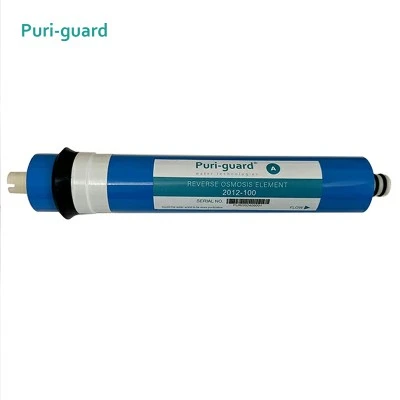
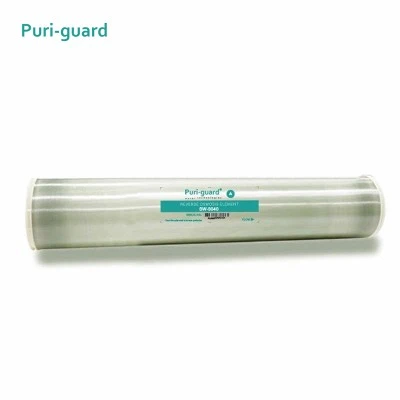
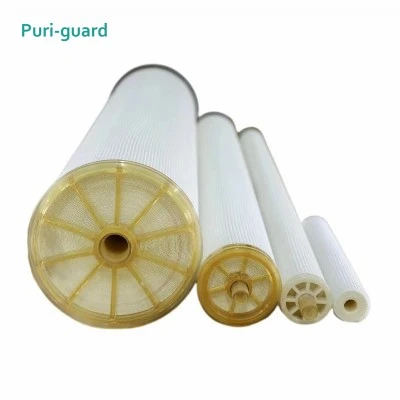
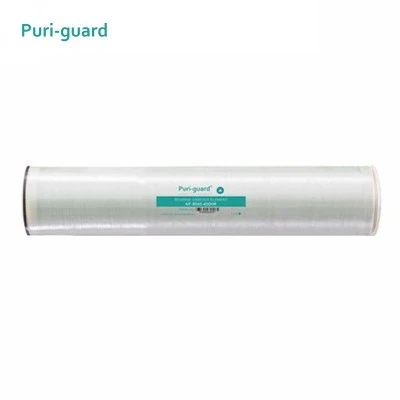
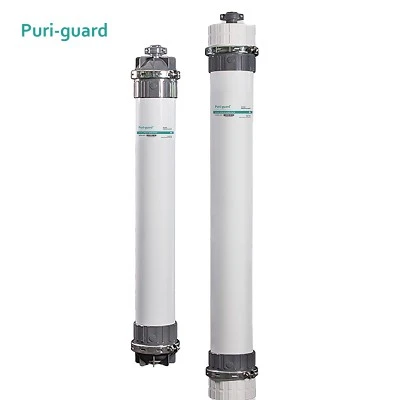
The reverse osmosis membrane is the heart of the water purification equipment, and its performance directly determines the quality and flow of water. As the use time increases, the reverse osmosis membrane will gradually age, resulting in a decrease in the filtration effect. Therefore, regular replacement of the reverse osmosis membrane is the key to maintaining the efficient operation of the water purification equipment. Below we will introduce in detail how to replace the reverse osmosis membrane to help you easily complete the operation and improve the water purification effect.
1. Overview of the steps for replacing the reverse osmosis membrane
Turn off the power and water source: ensure safe operation and avoid accidents.
Remove the old membrane: operate carefully to avoid damage to surrounding parts.
Clean the equipment: wipe the inner wall and parts with a soft cloth to ensure that the new membrane works in a clean environment.
Install the new membrane: ensure the correct direction of the membrane and tighten the fixture.
Debugging and testing: Turn on the water source and power supply to debug the equipment and run the test.
2. Detailed step analysis
Turn off the power and water source: This is the first step in replacing the reverse osmosis membrane to ensure safe operation.
Remove the old membrane: remove the old membrane carefully to avoid damage to surrounding parts.
Clean the equipment: Use a soft cloth to wipe the inner wall and parts to remove dirt and impurities.
Install the new membrane: Make sure the membrane is in the correct direction and tighten the fixture.
Debug and test: Turn on the water source and power supply to debug the equipment and run the test.
3. Precautions
Turn off the power supply: Ensure safe operation and avoid electric shock accidents.
Choose the right model: Make sure the new membrane matches the equipment and performs at its best.
Handle with care: Avoid damaging the membrane and other parts.
Debug and test: Ensure that the replacement effect is as expected.
4. Effect evaluation
Observe the water quality: Clear and transparent, no odor and impurities indicate a good replacement effect.
Detect water quality indicators: Such as TDS value, PH value, etc., reflect the purity and pH of water.
Compare the water output: The water output increases and is stable, indicating that the new membrane performs well.
5. Summary
Through the above steps, you can easily replace the reverse osmosis membrane and improve the performance of the water purification equipment. Remember to check and replace the reverse osmosis membrane regularly to keep the equipment in the best condition.