
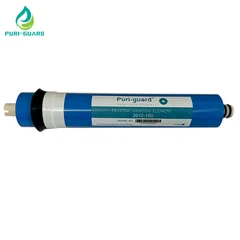
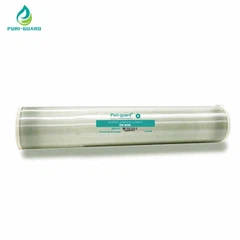
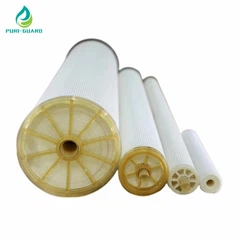
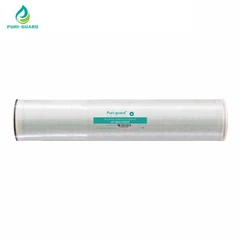
The design flux of a reverse osmosis membrane is a key parameter in the design of a reverse osmosis system, which directly affects the performance and operating cost of the system. The design flux of the DuPont FilmTec Fortilife CR100i reverse osmosis membrane is related to the average flux of the entire membrane element and the total effective membrane area. Designers need to consider multiple factors when choosing the design flux.
First, the quality of the raw water is an important factor in determining the design flux. If the raw water quality is good, a higher design flux can be selected; conversely, if the raw water quality is poor, a lower design flux should be selected. In addition, the designer's focus will also affect the choice of design flux. If the focus is on the initial investment, a higher design flux can be selected; if the focus is more on long-term operating costs, a lower design flux should be selected.
The flux values and their ranges listed in the design guidelines are typical values selected when most systems are designed, but it does not mean that these ranges cannot be exceeded. These recommended parameters are based on the assumptions of careful design considerations, good operation management, 4 chemical cleanings per year, and continuous operation mode. If the recommended parameter limits are exceeded, more frequent chemical cleaning, rapid drop in water production, increased inlet pressure and shortened membrane life may result, which in turn increases the system failure rate and operating costs.
During the design process, as long as the maximum pressure difference and maximum pressure do not exceed the limit, it is acceptable to operate slightly beyond the limit for a short period of time. On the contrary, if a conservative design method is chosen, that is, a lower design flux is chosen, longer trouble-free operation and longer membrane life may be achieved.
System designers must fully collect system design information such as raw water quality analysis reports before designing. The more complete the information, the more targeted the system design is, and the more it can meet the needs of users.
In short, choosing a suitable reverse osmosis membrane design flux requires comprehensive consideration of multiple factors, including raw water quality, system operating costs, design considerations, etc. Only by optimizing the design according to the specific situation can the performance and long-term stability of the system be ensured.