
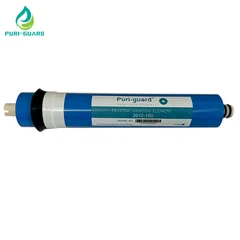
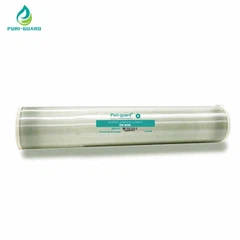
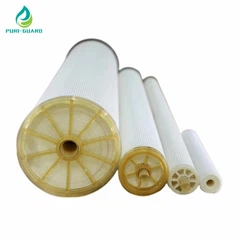
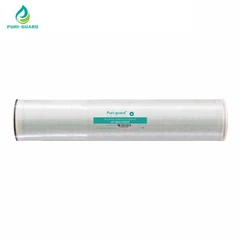
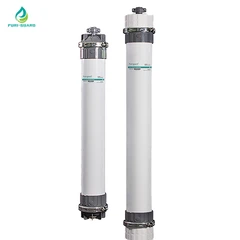
As a seasoned supplier of commercial RO membranes, I've encountered numerous inquiries regarding the installation requirements for these essential water treatment components. In this blog post, I'll delve into the key aspects of installing commercial RO membranes, providing you with a comprehensive guide to ensure a successful setup.


Understanding the Basics of RO Membranes
Reverse osmosis (RO) is a water purification process that uses a semi-permeable membrane to remove ions, molecules, and larger particles from drinking water. Commercial RO membranes are designed to handle high volumes of water and are commonly used in various industries, including food and beverage, pharmaceutical, and power generation.
Pre-Installation Considerations
Before installing a commercial RO membrane, it's crucial to conduct a thorough assessment of your water source and treatment requirements. Here are some key factors to consider:
- Water Quality: Analyze the quality of your feed water, including its pH, temperature, total dissolved solids (TDS), and the presence of any contaminants. This information will help you select the appropriate RO membrane and determine the necessary pre-treatment steps.
- System Design: Evaluate the design of your RO system, including the membrane housing, pressure vessels, and piping. Ensure that the system is properly sized to accommodate the flow rate and pressure requirements of your application.
- Pre-Treatment: Depending on the quality of your feed water, you may need to implement pre-treatment processes such as sediment filtration, activated carbon filtration, and antiscalant dosing to protect the RO membrane from fouling and scaling.
- Membrane Selection: Choose a commercial RO membrane that is suitable for your specific application and water quality. Consider factors such as membrane material, pore size, and rejection rate when making your selection.
Installation Requirements
Once you have completed the pre-installation considerations, you can proceed with the installation of your commercial RO membrane. Here are the general installation requirements:
- Membrane Housing: Ensure that the membrane housing is clean and free of any debris or contaminants. Inspect the housing for any signs of damage or wear, and replace any damaged components as needed.
- O-Rings: Lubricate the O-rings on the membrane and the housing with a food-grade lubricant. This will help to prevent leaks and ensure a proper seal between the membrane and the housing.
- Membrane Insertion: Carefully insert the RO membrane into the housing, making sure that the membrane is properly aligned and seated. Avoid touching the membrane surface with your hands, as this can cause damage to the membrane.
- Pressure Vessel: Install the pressure vessel on the RO system, following the manufacturer's instructions. Ensure that the pressure vessel is properly tightened and secured to prevent leaks.
- Piping: Connect the piping to the membrane housing and the pressure vessel, using the appropriate fittings and connectors. Ensure that the piping is properly sized and installed to prevent any restrictions or leaks.
- System Flushing: Before starting the RO system, flush the system with clean water to remove any debris or contaminants that may have accumulated during the installation process. This will help to protect the RO membrane and ensure optimal performance.
Post-Installation Considerations
After installing your commercial RO membrane, it's important to perform a series of post-installation checks to ensure that the system is operating properly. Here are some key considerations:
- System Startup: Start the RO system and monitor the pressure, flow rate, and water quality. Ensure that the system is operating within the recommended parameters and that there are no leaks or other issues.
- Membrane Conditioning: Allow the RO membrane to condition for a period of time before using the system for its intended application. This will help to optimize the performance of the membrane and ensure that it provides the desired level of water purification.
- System Maintenance: Establish a regular maintenance schedule for your RO system, including membrane cleaning, replacement of pre-treatment filters, and monitoring of water quality. This will help to extend the life of the membrane and ensure that the system continues to operate effectively.
- Training: Provide training to your staff on the proper operation and maintenance of the RO system. This will help to ensure that the system is used correctly and that any issues are addressed promptly.
Conclusion
Installing a commercial RO membrane requires careful planning, preparation, and attention to detail. By following the installation requirements and post-installation considerations outlined in this blog post, you can ensure a successful setup and optimal performance of your RO system.
If you have any questions or need further assistance with the installation of your commercial RO membrane, please don't hesitate to contact us. We are a leading supplier of commercial RO membranes, offering a wide range of products, including the 4021 Membrane, TW30 2521, and RO 2521. Our team of experts is available to provide you with the support and guidance you need to select the right membrane for your application and ensure a successful installation.
References
- Cheryan, M. (1998). Ultrafiltration and Microfiltration Handbook. Technomic Publishing Company.
- Mulder, M. (1996). Basic Principles of Membrane Technology. Kluwer Academic Publishers.
- Porter, M. C. (2002). Handbook of Industrial Membranes. Elsevier.