
Hey there! As a supplier of HSRO membranes, I often get asked about the salt rejection rate of HSRO membrane. So, I thought I'd write this blog to break it down for you in a simple and easy - to - understand way.
First off, let's talk about what salt rejection rate actually means. In the world of water treatment, the salt rejection rate is a super important metric. It tells you how effectively a membrane can keep salts and other dissolved solids from passing through while allowing water to flow. Think of it like a really good bouncer at a club. The bouncer (the membrane) is there to stop unwanted guests (salts) from getting in, while letting the cool people (water molecules) pass freely.
Now, the HSRO membrane, also known as the High - Selectivity Reverse Osmosis membrane, is pretty amazing when it comes to salt rejection. The HSRO Membane is designed with advanced technology to achieve high levels of salt rejection. This means that when you use an HSRO membrane in your water treatment system, you can expect a significant reduction in the amount of salts and other impurities in your water.
The salt rejection rate of an HSRO membrane is usually expressed as a percentage. For example, if a membrane has a salt rejection rate of 99%, it means that 99% of the salts in the feed water are being blocked by the membrane, and only 1% is passing through with the permeate (the clean water that comes out of the membrane).
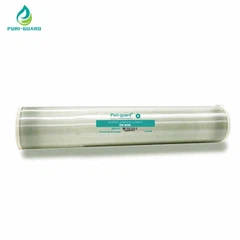
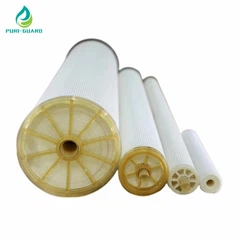
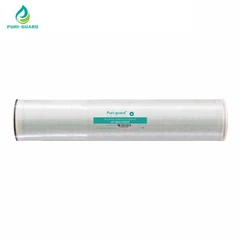
There are different models of HSRO membranes, like the HSRO 8040 and the HSRO 4040. These models have slightly different specifications, including their salt rejection rates. The HSRO 8040 is a larger - sized membrane, often used in industrial - scale water treatment plants. It typically has a very high salt rejection rate, often above 99%. This makes it ideal for applications where you need to produce high - quality, low - salt water on a large scale, like in power plants or large manufacturing facilities.
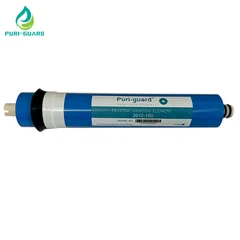
On the other hand, the HSRO 4040 is a smaller membrane, more suitable for smaller - scale applications such as small water treatment systems in commercial buildings or even some residential settings. While it also has a high salt rejection rate, it might be slightly lower than that of the HSRO 8040, but still usually well above 98%. This means that even in smaller systems, you can get great results in terms of reducing the salt content in your water.
But what factors can affect the salt rejection rate of an HSRO membrane? Well, there are a few. One of the main factors is the quality of the feed water. If the feed water has a very high concentration of salts or other impurities, it can put more stress on the membrane and potentially reduce its salt rejection rate over time. That's why it's important to pre - treat the feed water before it enters the membrane system. Pre - treatment can include processes like filtration to remove larger particles and chemical treatment to adjust the pH and remove certain contaminants.
Another factor is the operating conditions of the membrane system. Things like the pressure, temperature, and flow rate can all have an impact on the salt rejection rate. For example, if the pressure is too low, the membrane might not be able to effectively reject the salts. On the other hand, if the temperature is too high, it can cause the membrane material to expand, which might also affect its performance.
Proper maintenance of the membrane is also crucial for maintaining a high salt rejection rate. Over time, the membrane can get fouled with dirt, bacteria, and other substances. This fouling can reduce the membrane's ability to reject salts. Regular cleaning and maintenance procedures, such as backwashing and chemical cleaning, can help keep the membrane in good condition and ensure that it continues to perform at its best.
So, why should you choose an HSRO membrane for your water treatment needs? Well, the high salt rejection rate is definitely a major selling point. Whether you're dealing with seawater desalination, brackish water treatment, or just trying to improve the quality of your industrial process water, an HSRO membrane can help you achieve your goals. It can produce high - quality water with low salt content, which is essential for many applications.


In addition to the high salt rejection rate, HSRO membranes are also known for their durability and long service life. They are made from high - quality materials that can withstand the harsh conditions of water treatment processes. This means that you won't have to replace the membranes as often, which can save you money in the long run.
If you're in the market for an HSRO membrane, I'd love to talk to you. Whether you have questions about the salt rejection rate, the different models available, or how to integrate an HSRO membrane into your existing water treatment system, I'm here to help. Reach out to me, and we can have a chat about your specific needs and find the best solution for you.
In conclusion, the salt rejection rate of an HSRO membrane is a key factor in its performance. With high salt rejection rates, durability, and a range of models to choose from, HSRO membranes are a great option for anyone looking to improve the quality of their water. So, don't hesitate to get in touch if you're interested in learning more or making a purchase.
References:
- Water Treatment Handbook: General knowledge on membrane technology and salt rejection rates.
- Industry reports on HSRO membrane performance and applications.