
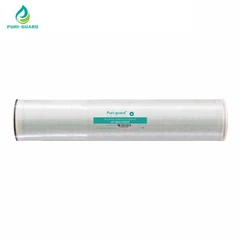
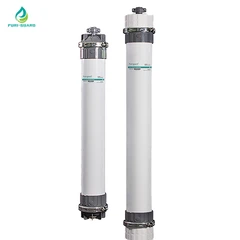
As a supplier of Residential NF Membranes, I often encounter questions from customers about the environmental friendliness of our products. In this blog post, I will delve into this topic and provide a comprehensive analysis of whether Residential NF Membranes are environmentally friendly.
Understanding Residential NF Membranes
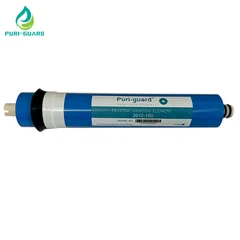
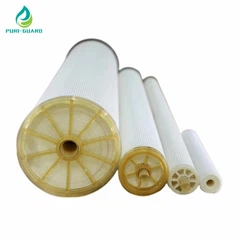
Residential NF Membranes, or Nanofiltration membranes, are a type of filtration technology used in water treatment systems for homes. These membranes have pores that are smaller than those of microfiltration and ultrafiltration membranes but larger than those of reverse osmosis membranes. This unique pore size allows them to remove a wide range of contaminants, including dissolved salts, organic compounds, and some heavy metals, while retaining certain beneficial minerals in the water.
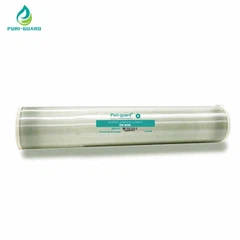
One of the key products in our range is the Nanofiltration NF 8040, which is widely used in residential water treatment applications. It offers high rejection rates for contaminants while maintaining a relatively high water flux, making it an efficient and cost - effective solution for home water purification.
Environmental Benefits of Residential NF Membranes
Reduced Chemical Usage
Traditional water treatment methods often rely on the addition of chemicals such as chlorine, alum, and lime to disinfect and clarify water. These chemicals can have negative environmental impacts, including the formation of disinfection by - products (DBPs) such as trihalomethanes (THMs) and haloacetic acids (HAAs), which are potential carcinogens.
Residential NF Membranes, on the other hand, can remove many contaminants without the need for extensive chemical treatment. By physically filtering out impurities, they reduce the amount of chemicals released into the environment. For example, NF membranes can remove pathogens and organic matter, reducing the need for high - dose chlorination. This not only protects the environment but also provides safer and healthier drinking water for households.
Energy Efficiency
Compared to reverse osmosis (RO) membranes, which require a high amount of energy to operate due to the high pressure needed to force water through the dense membrane, Residential NF Membranes operate at lower pressures. This means that they consume less energy during the water treatment process.
Lower energy consumption translates into a reduced carbon footprint. As the world is increasingly focused on reducing greenhouse gas emissions, the energy - efficient nature of NF membranes makes them a more environmentally friendly option for residential water treatment. For instance, a study by the Water Research Foundation found that NF systems can save up to 30% of energy compared to RO systems in similar water treatment applications.
Water Conservation
Residential NF Membranes can also contribute to water conservation. Unlike some other water treatment technologies that generate a large amount of wastewater, NF membranes have a relatively high water recovery rate. They can effectively separate contaminants from water while recovering a significant portion of the feed water as purified water.
This means that less water is wasted during the treatment process. In regions where water scarcity is a concern, the ability of NF membranes to conserve water is particularly valuable. For example, in arid areas, using NF membranes in home water treatment systems can help households make the most of their limited water resources.
Potential Environmental Concerns
Membrane Manufacturing
The manufacturing process of Residential NF Membranes can have some environmental impacts. The production of membrane materials often involves the use of chemicals and energy - intensive processes. For example, the synthesis of polymers used in NF membranes may require the use of solvents and catalysts, which can generate waste and emissions.
However, many membrane manufacturers, including our company, are taking steps to reduce these impacts. We are investing in research and development to develop more sustainable manufacturing processes, such as using eco - friendly solvents and reducing energy consumption during production.
Membrane Disposal
Another potential concern is the disposal of used NF membranes. At the end of their lifespan, membranes need to be replaced, and improper disposal can lead to environmental problems. Since NF membranes are often made of synthetic polymers, they are not biodegradable and can accumulate in landfills.
To address this issue, some companies are exploring options for membrane recycling. Recycling can help reduce the amount of waste going to landfills and recover valuable materials from used membranes. Our company is also actively involved in researching and implementing recycling programs to minimize the environmental impact of membrane disposal.
The Role of Residential NF Membranes in a Sustainable Future
Residential NF Membranes play an important role in promoting sustainable water management at the household level. With the growing demand for clean and safe drinking water, the use of environmentally friendly water treatment technologies like NF membranes is crucial.
By reducing chemical usage, saving energy, and conserving water, Residential NF Membranes contribute to a more sustainable water cycle. They also help households reduce their environmental impact while enjoying high - quality drinking water.
In addition, the development of more sustainable manufacturing and disposal methods will further enhance the environmental friendliness of NF membranes. As technology advances, we can expect to see even more efficient and eco - friendly NF membrane products in the market.


Conclusion
In conclusion, Residential NF Membranes are generally an environmentally friendly option for home water treatment. They offer significant environmental benefits in terms of reduced chemical usage, energy efficiency, and water conservation. While there are some potential environmental concerns related to membrane manufacturing and disposal, the industry is taking steps to address these issues.
As a supplier of Residential NF Membranes, we are committed to providing high - quality, environmentally friendly products. Our Water Nanofiltration solutions, including the Nanofiltration NF 8040 and NF RO Membrane, are designed to meet the needs of households while minimizing environmental impacts.
If you are interested in learning more about our Residential NF Membranes or are considering purchasing them for your home water treatment system, we encourage you to contact us for a detailed discussion. We look forward to working with you to provide a sustainable and effective water treatment solution.
References
- Water Research Foundation. "Energy - Efficiency Comparison of Nanofiltration and Reverse Osmosis Systems." 2018.
- World Health Organization. "Guidelines for Drinking - Water Quality." 4th Edition, 2017.
- American Water Works Association. "Water Treatment Principles and Design." 3rd Edition, 2017.