
Hey there! As a supplier of residential RO membrane systems, I often get asked a bunch of questions. One question that's been popping up a lot lately is, "Can a residential RO membrane system be powered by solar energy?" Well, let's dig into this topic and find out.
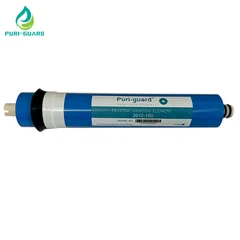
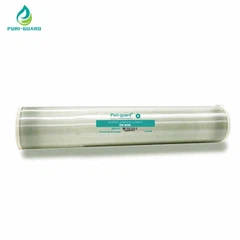
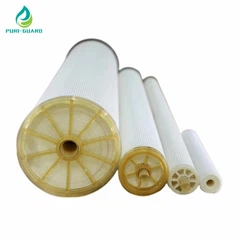
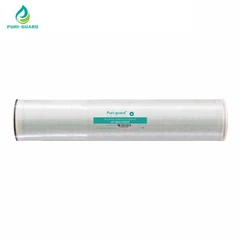
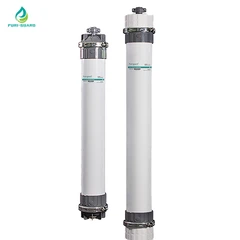
First off, let's understand what a residential RO membrane system is. RO stands for Reverse Osmosis. It's a water purification process that uses a semi - permeable membrane to remove ions, molecules, and larger particles from drinking water. We offer a variety of RO membranes, like the 3012 RO Membrane, High Flow RO Membrane, and 500 GPD Membrane. These membranes are designed to provide clean and safe drinking water for your home.
Now, back to the main question: Can it be powered by solar energy? The short answer is yes! A residential RO membrane system can indeed be powered by solar energy. There are a few reasons why this is a great idea.
The Benefits of Solar - Powered RO Systems
1. Cost - Savings
One of the biggest advantages of using solar energy to power your RO system is the cost - savings. Electricity bills can add up over time, especially if your RO system runs frequently. Solar panels, once installed, can generate electricity for free from the sun. Sure, there's an upfront cost for the solar panels and the installation, but in the long run, you'll save a ton of money on your energy bills.


2. Environmental Friendliness
Solar energy is a renewable energy source. Unlike fossil fuels, it doesn't produce harmful emissions or contribute to global warming. By using solar - powered RO systems, you're doing your part in reducing your carbon footprint and helping the environment. It's a win - win situation for you and the planet.
3. Independence
With a solar - powered RO system, you're less reliant on the grid. In areas where power outages are common, having a solar - powered system ensures that your RO system keeps running. You don't have to worry about dirty or unsafe water during those blackouts.
How Does It Work?
A solar - powered RO system works by converting sunlight into electricity through solar panels. The electricity generated is then used to power the pump in the RO system. The pump is a crucial component as it creates the pressure needed to force water through the RO membrane.
There are two main types of solar - powered RO systems: off - grid and grid - tied.
Off - Grid Systems
Off - grid systems are completely independent of the electrical grid. They usually have a battery storage system that stores the excess electricity generated by the solar panels during the day. This stored energy can be used to power the RO system at night or during cloudy days. These systems are great for remote areas where grid connection is not possible.
Grid - Tied Systems
Grid - tied systems are connected to the electrical grid. When the solar panels generate more electricity than the RO system needs, the excess electricity is sent back to the grid. In return, you may get credits on your electricity bill. During times when the solar panels don't generate enough electricity, the system can draw power from the grid.
Challenges of Solar - Powered RO Systems
Of course, it's not all sunshine and rainbows. There are a few challenges associated with solar - powered RO systems.
1. Initial Cost
As mentioned earlier, the upfront cost of installing solar panels and the necessary equipment can be quite high. This includes the cost of the solar panels, inverters, batteries (for off - grid systems), and installation. However, with the decreasing cost of solar technology over the years, this is becoming less of a barrier.
2. Weather Dependence
Solar energy is dependent on sunlight. On cloudy days or during the winter months, the amount of electricity generated by the solar panels may be reduced. This can affect the performance of the RO system, especially if it's an off - grid system without sufficient battery storage.
3. Space Requirements
Solar panels require a certain amount of space to be installed. If you have a small rooftop or limited outdoor space, it may be challenging to install enough solar panels to power your RO system.
Is It Right for You?
Whether a solar - powered RO system is right for you depends on several factors. If you're environmentally conscious, looking to save on energy costs in the long run, and live in an area with plenty of sunlight, then it's definitely worth considering. However, if you have a limited budget for the initial installation, or live in an area with frequent cloudy weather, you may need to think twice.
As a residential RO membrane supplier, I can help you determine the best system for your needs. We have a team of experts who can assess your situation, recommend the right RO membrane, and guide you through the process of setting up a solar - powered system if that's what you're interested in.
If you're thinking about purchasing a residential RO membrane or want to learn more about solar - powered RO systems, don't hesitate to reach out. We're here to answer all your questions and help you make an informed decision. Whether you're interested in the 3012 RO Membrane, High Flow RO Membrane, or 500 GPD Membrane, we've got you covered. Let's work together to get you the clean and safe water you deserve!
References
- "Solar Energy Basics." U.S. Department of Energy.
- "Reverse Osmosis Water Treatment." Water Quality Association.