

Hey there! As a supplier of SWRO membranes, I often get asked about the chemical stability of these membranes. So, I thought I'd take a moment to break down what chemical stability means for SWRO membranes and why it's such a big deal.
First off, let's talk about what SWRO stands for. SWRO is short for Seawater Reverse Osmosis. Seawater RO is a process that uses a semi - permeable membrane to remove salts and other impurities from seawater, making it suitable for various uses like drinking water or industrial applications.
Now, chemical stability refers to how well a membrane can withstand exposure to different chemicals without losing its performance or integrity. In the case of SWRO membranes, they are constantly in contact with seawater, which is a complex mixture of salts, minerals, and sometimes even pollutants. So, they need to be chemically stable to work effectively over a long period.
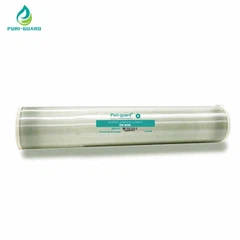
One of the main factors that can affect the chemical stability of SWRO membranes is pH. The pH scale ranges from 0 to 14, with 7 being neutral. Seawater typically has a pH between 7.5 and 8.4, but in some treatment processes, the pH might be adjusted. Most SWRO membranes can tolerate a certain range of pH values. For example, our SW30 4021 membrane can usually handle a pH range of 2 - 11 during normal operation. If the pH goes outside this range, it can start to damage the membrane. High pH values can cause hydrolysis of the membrane material, which means the chemical bonds in the membrane break down. On the other hand, very low pH values can lead to the protonation of functional groups in the membrane, altering its structure and performance.
Another chemical factor is the presence of oxidizing agents. Oxidizing agents like chlorine are sometimes used in water treatment to kill bacteria and other microorganisms. However, they can be very harmful to SWRO membranes. Chlorine can react with the polymer material of the membrane, causing it to degrade. This can result in a loss of salt rejection, which means more salts pass through the membrane and end up in the treated water. To protect our membranes from chlorine damage, we often recommend using a de - chlorination step before the water enters the RO system.


The concentration of salts and other dissolved solids in seawater also plays a role in the chemical stability of SWRO membranes. High salt concentrations can create osmotic pressure, which is the driving force for the reverse osmosis process. But if the salt concentration is too high or if there are sudden changes in the salt level, it can put stress on the membrane. This stress can cause physical changes in the membrane structure, such as compaction, which can reduce the membrane's flux (the amount of water that passes through the membrane per unit area and time).
Temperature is also related to chemical stability. Higher temperatures can increase the rate of chemical reactions. In the case of SWRO membranes, elevated temperatures can speed up the degradation processes caused by chemicals. For example, the reaction between chlorine and the membrane material will happen more quickly at higher temperatures. So, it's important to keep the temperature within the recommended range for the membrane.
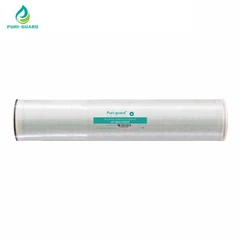
Let's take a closer look at one of our popular products, the SW30 2540 Membrane. This membrane is designed with high chemical stability in mind. It has been tested under various chemical conditions to ensure that it can perform well in different seawater treatment scenarios. The materials used in its construction are carefully selected to resist the effects of common chemicals in seawater and treatment processes.
When we manufacture our SWRO membranes, we conduct a series of quality control tests. These tests include exposing the membranes to different chemical solutions and measuring their performance over time. We look at parameters like salt rejection, flux, and pressure drop. By doing these tests, we can make sure that our membranes meet the high - quality standards that our customers expect.
So, why does chemical stability matter so much? Well, for one, it directly affects the lifespan of the membrane. A chemically stable membrane will last longer, which means less frequent membrane replacements. This can save you a lot of money in the long run. Secondly, chemical stability ensures consistent performance. You don't want your RO system to suddenly start producing water with a high salt content because the membrane has been damaged by chemicals.
If you're in the market for SWRO membranes, it's crucial to understand the chemical stability of the products you're considering. You need to know what chemicals the membrane can handle and what precautions you need to take to protect it. That's where we come in. As a supplier, we have the expertise and the products to meet your needs.
We can provide you with detailed information about the chemical stability of our membranes, as well as advice on how to operate your RO system to maximize the membrane's lifespan and performance. Whether you're running a small - scale desalination plant or a large industrial facility, we have the right membrane for you.
If you're interested in learning more about our SWRO membranes or if you're ready to start a purchase, don't hesitate to reach out. We're here to help you make the best decision for your water treatment needs.
References
- "Reverse Osmosis Membrane Technology" - A comprehensive book on RO membranes and their properties.
- Industry reports on seawater desalination and membrane technology.